One of the most debated moments in The Chosen occurred in Season 3, when Jesus, portrayed by Jonathan Roumie, declares, “I am the law of Moses” during a tense confrontation in a synagogue. The scene, which does not appear verbatim in the Gospels, has fuelled ongoing criticism from segments of the Christian audience. Many viewers have linked the dialogue to Mormon theology, accusing the series of subtly introducing non-biblical ideas or altering Scripture.
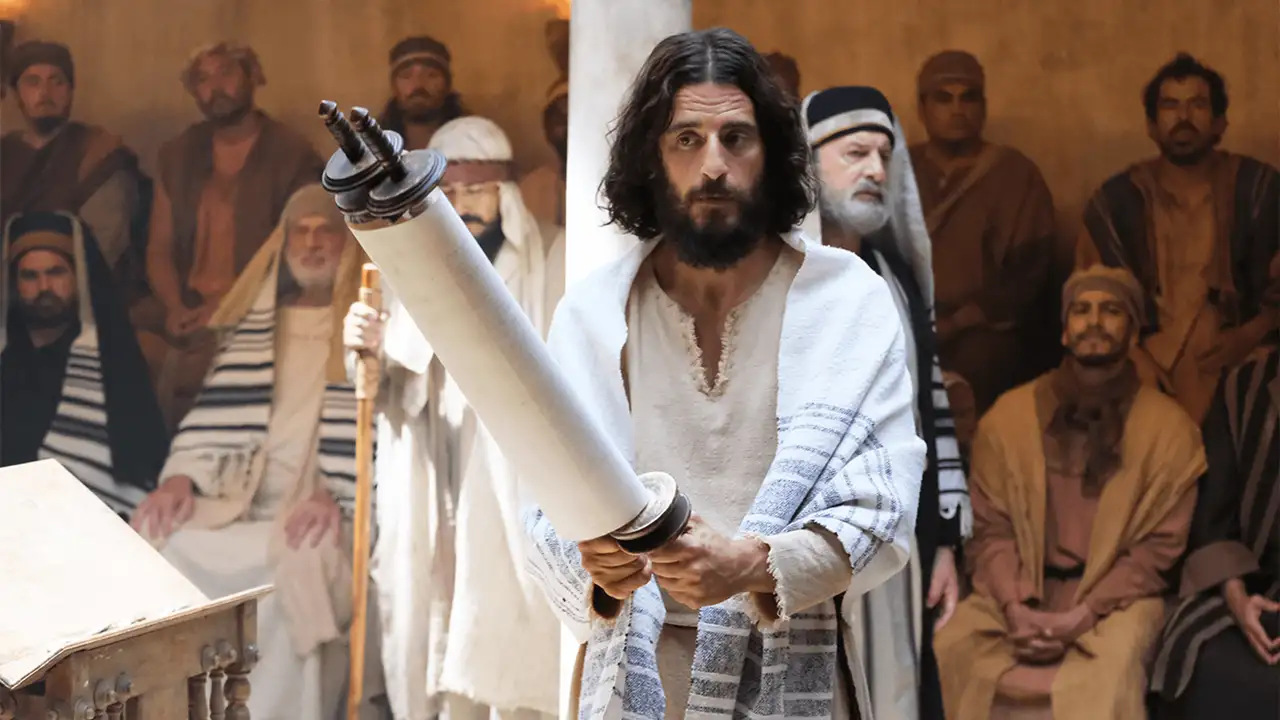
In the episode, a local rabbi challenges Jesus and warns that failure to renounce his words could lead to punishment under the law of Moses. Jesus responds calmly yet powerfully with the now-famous line. While dramatic and memorable for many fans, the statement has drawn sharp scrutiny. Critics point out that a similar phrase — “Behold, I am the law, and the light” — appears in 3 Nephi 15:9 of the Book of Mormon, prompting concerns about external doctrinal influence on the show.

Creator Dallas Jenkins has repeatedly addressed the controversy. He has stated that he was unaware of the Book of Mormon parallel when the line was written and emphasised that the dialogue was intended as a theologically plausible expression of Jesus’ authority. Jenkins described it as a “cool line” that underscores Christ’s fulfilment and supremacy over the law, drawing from passages such as Matthew 5:17, where Jesus says he came not to abolish the law but to fulfil it. He has firmly denied any intentional reference to Latter-day Saint scripture.

Despite these explanations, the debate persists. Some evangelical commentators argue that putting words in Jesus’ mouth that are not found in the canonical Gospels risks misleading viewers, especially those less familiar with Scripture. Others view the line as an artistic liberty that effectively conveys deeper theological truth — that Jesus is the ultimate authority, the fulfilment of the law, and greater than the religious systems of his time. The show’s disclaimer at the beginning of each episode acknowledges added dialogue and fictionalised elements while encouraging viewers to read the Bible directly.
This controversy forms part of a broader pattern of concerns surrounding The Chosen. The series is produced in partnership with Angel Studios, a company with ties to members of The Church of Jesus Christ of Latter-day Saints. While Jenkins, who identifies as an evangelical Christian, has clarified that the show is not funded or controlled by the LDS Church, the association has led some to question the theological integrity of the production. Jenkins has addressed these issues in videos, stressing that the creative team includes consultants from evangelical, Catholic, and Messianic Jewish backgrounds.
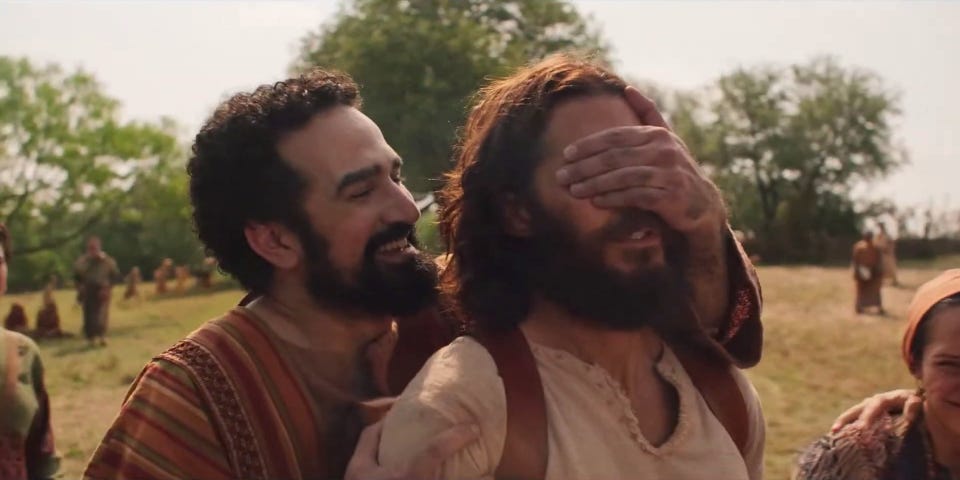
Supporters of the series defend the scene as a powerful dramatic device that highlights Jesus’ divine authority without contradicting Scripture. They argue that the Gospels themselves do not record every conversation Jesus had, leaving room for responsible artistic interpretation. For many, the line serves as a bold declaration that resonates emotionally and theologically, reinforcing Christ’s role as the fulfilment of Old Testament law.
Critics, however, maintain that such additions cross a dangerous line. They worry that dramatic inventions, especially those with even coincidental parallels to non-biblical texts, could blur the distinction between inspired Scripture and human storytelling. Some have chosen to stop watching the series altogether, citing cumulative concerns over content choices, perceived doctrinal influences, and the risks of visual portrayals of Jesus.
The discussion reflects deeper questions within faith-based entertainment: how much creative licence is acceptable when depicting biblical stories? Where is the line between making Scripture accessible and altering its message? The Chosen has been praised for humanising the disciples and bringing first-century context to life, yet moments like this continue to test the trust of its core evangelical audience.
Jenkins has shown willingness to engage with criticism, sometimes adjusting future content based on feedback. Nevertheless, the “I am the law of Moses” line remains a flashpoint that symbolises wider anxieties about the show’s direction as it gains mainstream popularity. As Season 5 generates fresh debates over innuendo and dialogue, earlier controversies like this one continue to influence how some viewers approach the series.
Ultimately, The Chosen has succeeded in sparking renewed interest in the Gospels for millions worldwide. Whether individual scenes strengthen or undermine that mission remains a matter of personal discernment. The show’s creators maintain that every creative choice is designed to point back to the truth of Scripture, while urging audiences to engage directly with the Bible. As the series progresses, the balance between artistic storytelling and theological fidelity will likely remain a central point of conversation among believers.
For many, The Chosen continues to be a valuable tool for reflection and outreach. For others, moments like Jesus’ declaration in Season 3 serve as a reminder to approach faith-based media with careful discernment. The enduring impact of the series may ultimately depend on how effectively it navigates these ongoing tensions while staying true to its goal of drawing people closer to the person and teachings of Christ.