In Season 2, Episode 5 of The Chosen, a brief but intensely debated scene shows Jesus alone by the water’s edge at night, quietly practicing lines from what will become the Sermon on the Mount. He tests different phrasings, adjusts his delivery, and appears to refine his words with careful thought. For many viewers, this moment crossed a theological boundary. Portraying the Son of God as rehearsing a sermon, much like a human speaker preparing remarks, struck some as diminishing his divine authority and reducing sacred teaching to mere performance.
The Sermon on the Mount, found in Matthew chapters 5 through 7, stands as one of the most profound and influential passages in the Gospels. It includes the Beatitudes, teachings on salt and light, the fulfillment of the Law, the Lord’s Prayer, and instructions on worry, judgment, and building one’s life on solid rock. Traditional Christian understanding holds that Jesus delivered these words with perfect wisdom and authority, speaking as the incarnate Word of God. Critics of the scene argue that showing him practicing undermines this reality, suggesting uncertainty or human limitation where divine inspiration should prevail. Some even viewed it as bordering on portraying Jesus like an actor memorizing a script, which they found incompatible with his eternal divinity.

This reaction reflects deeper concerns about how media depictions handle the mystery of Christ’s dual nature—fully divine and fully human. Detractors worry that emphasizing preparation risks implying Jesus needed to “figure out” his message, potentially eroding confidence in the sermon’s divine origin. In online forums and reviews, some called the portrayal misleading or even irreverent, fearing it could confuse new believers or subtly promote a view of Jesus as primarily a charismatic teacher rather than the omniscient Lord.
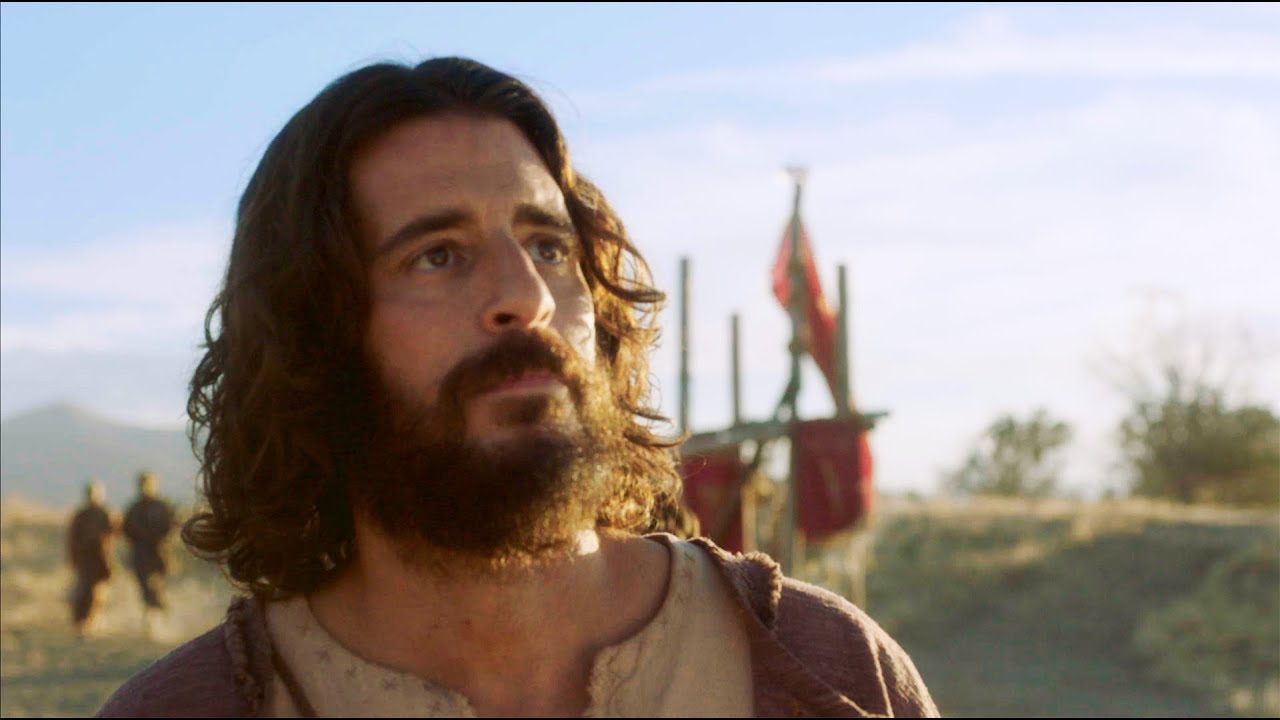
Creator Dallas Jenkins has addressed the controversy directly in livestreams and discussions with biblical consultants, including Messianic Rabbi Jason Sobel, New Testament scholar Dr. Doug Huffman, and Bishop Robert Barron. Jenkins explains that the scene aims to explore the genuine humanity of Jesus within the incarnation. While acknowledging it is not a literal historical fact but artistic imagination, he stresses that Jesus, as fully human, experienced real human processes—learning, growing in wisdom (as Luke 2:52 describes), and preparing thoughtfully. The goal was never to deny divinity but to illustrate how the two natures coexist in one person.

Jenkins and his team consulted theologians to ensure the depiction aligned with orthodox Christology, particularly the hypostatic union affirmed at the Council of Chalcedon. In their view, rejecting any human element in Jesus’ teaching risks a form of Apollinarianism—an ancient heresy that denied Jesus a full human mind. By showing preparation, the series highlights that Jesus lived an authentic human life while remaining sinless and divinely guided. The Holy Spirit’s influence operates through, rather than bypassing, human faculties.
Supporters of the show point out that Scripture itself reveals Jesus engaging in human experiences: he grew tired, felt emotions, asked questions, and increased in wisdom. Extending this to thoughtful preparation for a major teaching does not contradict the text; it fills narrative gaps in a way that makes the incarnation relatable. Moreover, later in Season 2, Jesus involves Matthew in refining the sermon’s structure, using the former tax collector as an “audience surrogate” to help viewers grasp the teachings’ depth and impact. This collaborative element underscores themes of inclusion and discipleship rather than suggesting Jesus lacked ideas.

The debate taps into broader questions about biblical inspiration and artistic liberty. Some viewers adhere to a “dictation” model of inspiration, imagining every word dropping directly from heaven with no human involvement. The Chosen leans toward an “organic” view, where God sovereignly works through human personalities, experiences, and processes to produce his infallible word. This perspective enjoys strong support among conservative theologians and aligns with how the Gospels reflect distinct authorial voices.
Critics from more conservative circles, however, see repeated focus on Jesus’ human side as part of a troubling pattern that humanizes him excessively at divinity’s expense. They argue that such portrayals, while engaging for modern audiences, risk making Christ seem ordinary or fallible. In response, Jenkins maintains that The Chosen is not a verse-by-verse Bible replacement but a character-driven drama designed to draw people toward Scripture. The series has indeed prompted many to read the Gospels more deeply and discuss Christology thoughtfully.
Ultimately, the rehearsal scene encapsulates The Chosen’s core ambition: to present Jesus as someone who fully entered human experience—laughing, relating, preparing, and teaching—while remaining the divine Savior. Whether one finds the portrayal insightful or unsettling often depends on one’s comfort with exploring the tension between Christ’s two natures. For supporters, it makes the eternal Word more accessible without compromising reverence. For opponents, it ventures too far into speculation.
This single moment continues to fuel conversations about faith, media, and how we imagine the God-man who walked among us. In doing so, The Chosen achieves something significant: it invites audiences not merely to watch but to wrestle with the profound mystery of the incarnation—the Word becoming flesh, fully entering our world, and speaking truth in ways both divine and deeply human.