In the acclaimed historical drama series that reimagines the life of Jesus through the eyes of those who encountered him, one of the most moving sequences depicts the miraculous healing of a man who was both deaf and mute. This scene, drawn from the Gospel of Mark (7:31-37), captures not only the divine power of Jesus but also his deep compassion and personal tenderness. It stands as a powerful illustration of restoration—physical, emotional, and spiritual—highlighting themes central to the narrative: accessibility to grace, the breaking of isolation, and the intimate nature of divine intervention.

The episode unfolds in the region of the Decapolis, a predominantly Gentile area east of the Sea of Galilee. A concerned father brings his son, who has lived in a world of silence, to Jesus. The man’s condition has isolated him from communication and connection; he can barely speak, and the sounds of everyday life—voices, nature, music—remain inaccessible. The father’s plea is humble and respectful, acknowledging the teacher’s authority while expressing quiet desperation. Jesus responds with immediate understanding and reassurance: “I understand, son. It’s okay.” These simple words set a tone of empathy that permeates the entire encounter.
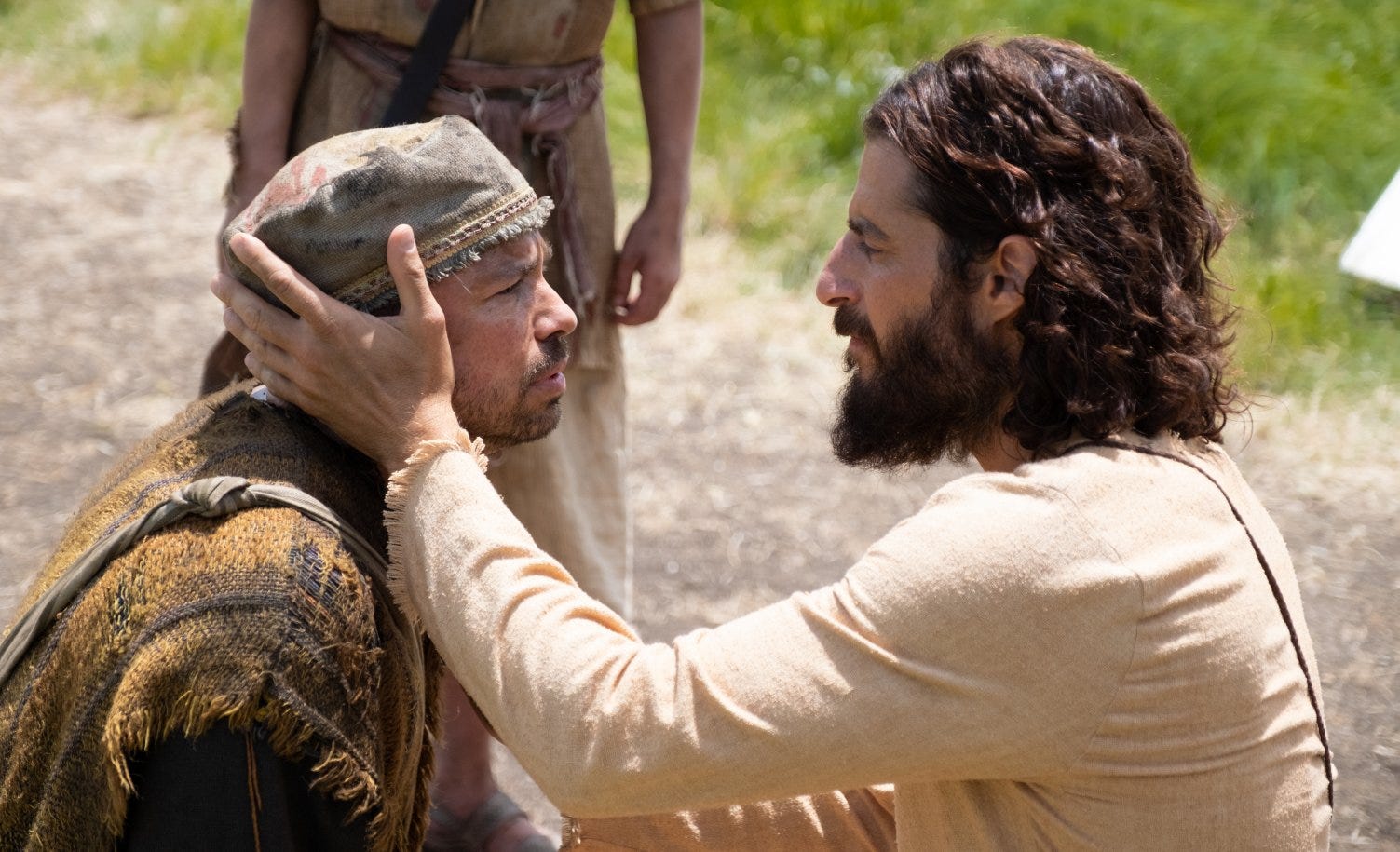
Rather than performing the miracle publicly for spectacle, Jesus takes the man aside, away from the crowd. This deliberate privacy underscores a key aspect of his ministry: miracles are not shows of power but personal acts of love. He places his fingers in the man’s ears, spits and touches his tongue—a symbolic gesture that would have been culturally significant, signifying the opening of blocked senses. Then, looking up to heaven with a deep sigh, Jesus utters the Aramaic word **“Ephphatha,”** which translates to “Be opened.” This command is both authoritative and intimate, carrying the weight of creation itself, as if echoing the divine word that brings order out of chaos.
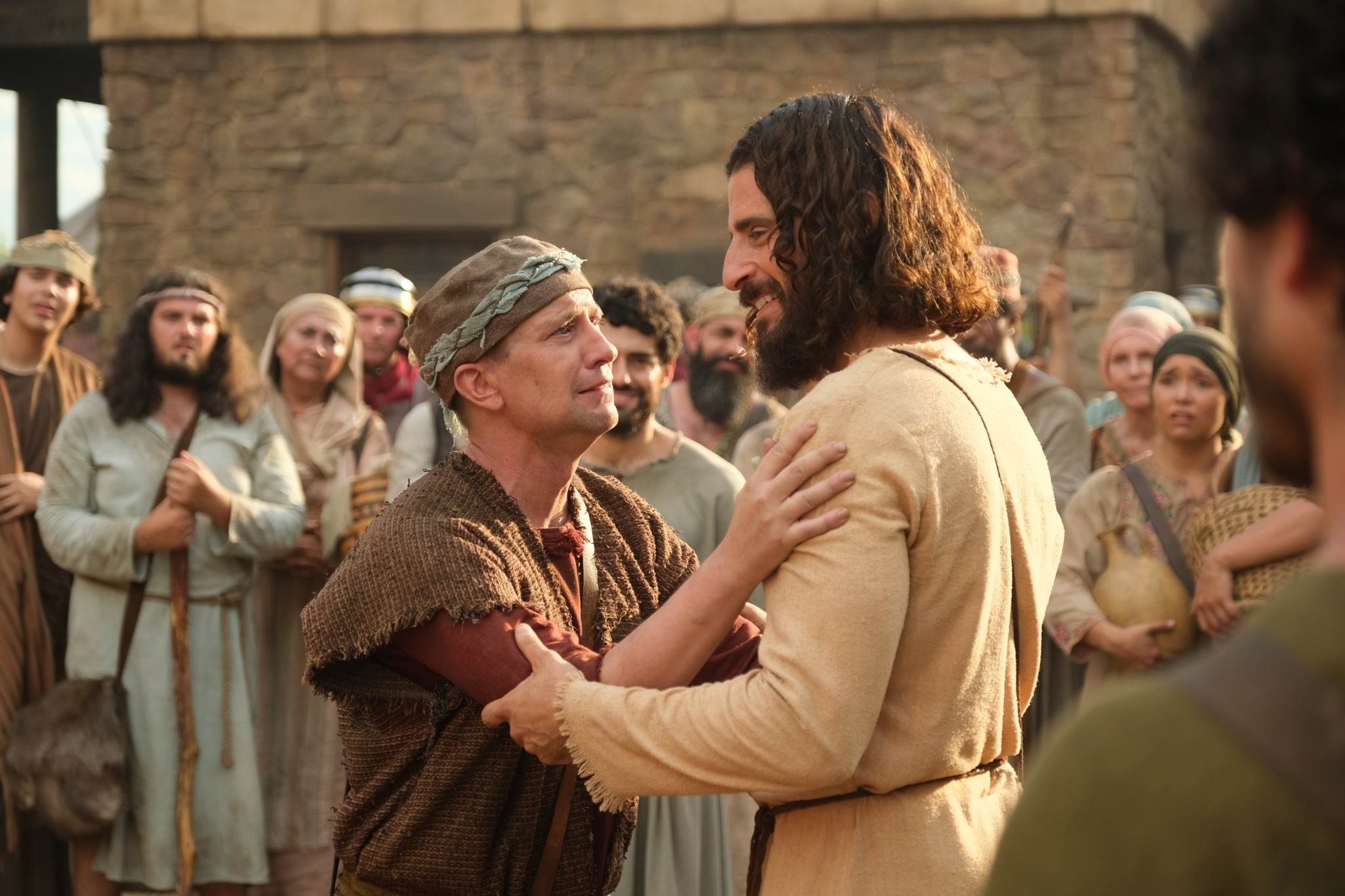
The transformation is instantaneous and overwhelming. The man’s ears are opened. For the first time, he hears the world around him. Jesus gently explains, “That’s what birds sound like. They sing.” The healed man’s wonder is palpable as he processes these new sensations. The pinnacle of emotion arrives when he hears his father’s voice—addressed tenderly as “Abba”—and responds with recognition and joy. “Can you hear me? The sound of your voice…” The exchange between father and son, now bridged by restored hearing and speech, evokes tears in many viewers. It represents far more than physical healing; it is the mending of a relationship fractured by disability and the end of a lifetime of isolation.
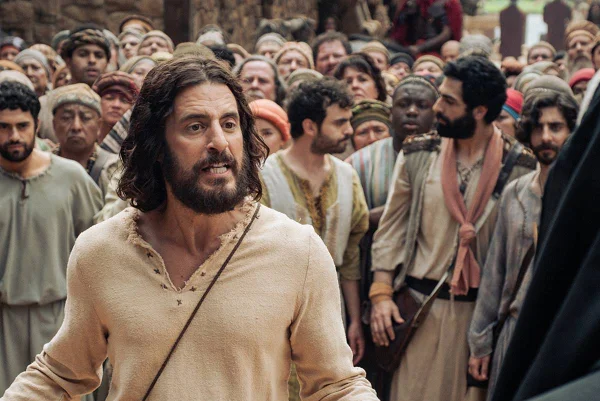
This scene resonates deeply because it humanizes the miracle while affirming Jesus’ dual nature. He is portrayed as both fully divine, exercising creative power, and fully human, sighing in compassion and engaging personally with suffering. The sigh before the command is particularly poignant—it reveals the emotional cost of empathy, as Jesus feels the weight of human brokenness. In the broader context of the series, such moments build a portrait of a savior who meets people in their vulnerability rather than demanding perfection first.
Biblically, the account in Mark emphasizes fulfillment of Old Testament prophecy. Isaiah 35:5-6 foretells that when the Messiah comes, “the ears of the deaf shall be unstopped… and the tongue of the mute sing for joy.” Jesus’ actions deliberately echo these promises, signaling to observers that the long-awaited kingdom has arrived. The instruction to tell no one, though often disobeyed in the Gospels, reflects a messianic secrecy that avoids premature political misunderstanding while allowing genuine faith to spread organically.
Thematically, the healing explores several profound ideas. First, **isolation versus community**: Deafness and muteness in the ancient world meant social exclusion. Jesus’ intervention restores not only senses but belonging. Second, **faith and persistence**: The father’s initiative, despite cultural and religious barriers in a Gentile region, demonstrates bold trust. Third, **the power of words**: From the commanding “Ephphatha” to the tender father-son dialogue, language becomes a vehicle of life and connection. Finally, the scene invites reflection on modern forms of “deafness”—spiritual, emotional, or relational—challenging audiences to consider what areas of their lives need opening.
In the series’ artistic approach, the cinematography and sound design amplify the impact. Before the healing, silence dominates the man’s perspective; afterward, layered natural sounds—birds, wind, voices—flood in, immersing viewers in the miracle. The actors convey raw emotion without exaggeration, making the moment feel authentic and relatable. This careful craftsmanship helps contemporary audiences connect with first-century events, bridging ancient scripture with lived experience.
Ultimately, this healing narrative offers hope. It affirms that no condition is beyond restoration, no silence too deep for divine voice to penetrate. Jesus does not merely fix bodies; he restores dignity, relationships, and purpose. For believers and seekers alike, it serves as a reminder that encountering Christ often begins with vulnerability and ends in joyful reconnection. The father’s tears and the son’s newfound voice linger as symbols of transformation available to all who approach with open hearts.
In an era marked by division and personal struggles, such stories remind us of the enduring relevance of compassion, power exercised in love, and the possibility of profound change. The scene encourages viewers to listen more attentively—to others, to the divine, and to the quiet longings within themselves. Through this single encounter, the series illuminates a central truth of the Gospels: the kingdom advances not through force but through intimate, life-giving encounters with the one who says, “Be opened.”