Just days after BTS launched their new ARIRANG world tour, Jimin found himself pulled into a wave of online scrutiny that threatened to overshadow the excitement around the group’s long-awaited return. The tour opened with three shows in Goyang and is set to continue globally over the coming year, but almost as soon as the first performances ended, attention shifted from celebration to accusation. A viral rehearsal clip triggered claims that Jimin had been lip-syncing, and the criticism spread fast across social media.

What made the backlash sting even more was the timing. BTS had only just begun a major new chapter following the release of their ARIRANG album, and fans were still taking in the scale of the comeback. Instead of the discussion staying focused on the group’s stage production, setlist, and renewed momentum, one member suddenly became the center of a debate about authenticity. The allegations were not framed as minor complaints either. They became the kind of viral talking point that can quickly harden into a narrative before a full performance is even seen in context.
Then came Tokyo.
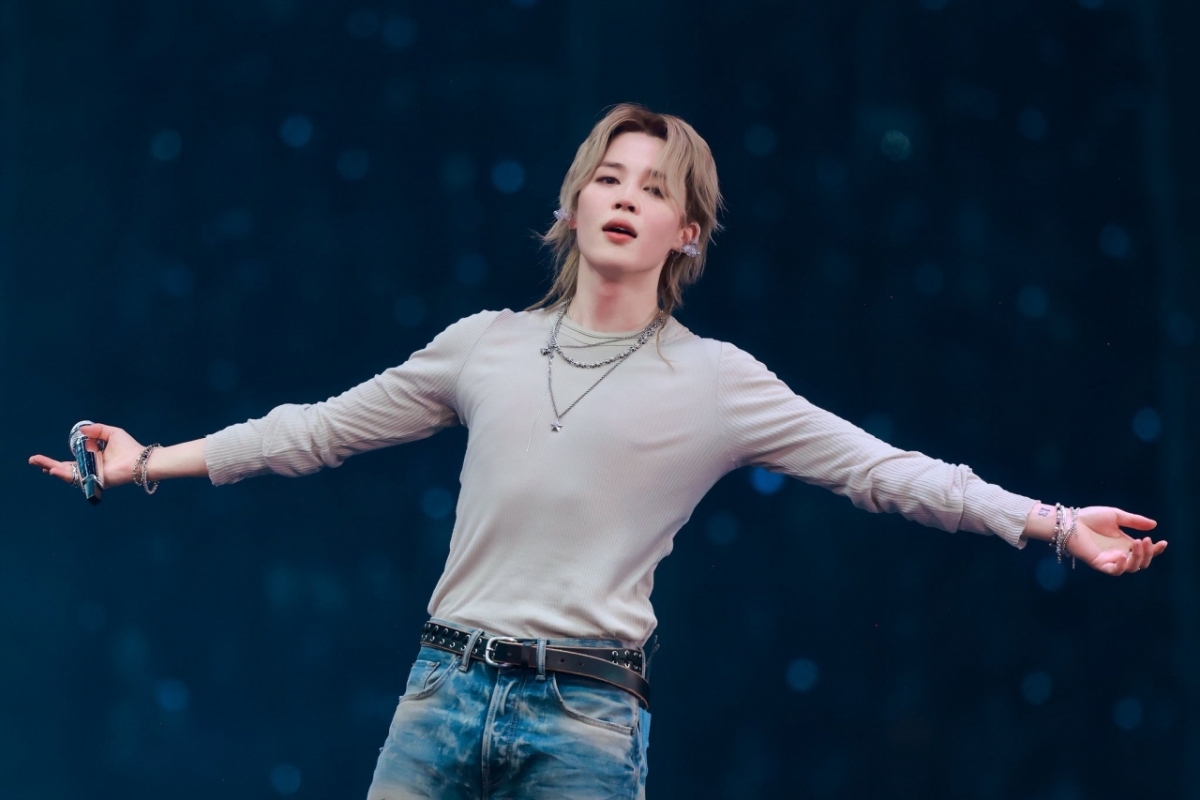
On April 17, BTS performed the first of two concerts at Tokyo Dome, with the show livestreamed for viewers around the world. It was a night already built for emotional impact. Fans were treated to surprises, including the inclusion of a Japanese track that reached back nearly a decade, creating the kind of nostalgic jolt that instantly sends clips flying across the internet. But among all the moments being shared, one short segment featuring Jimin began to stand out more than the rest.
This time, the reaction was very different.
A performance clip of Jimin singing his part began circulating online, and instead of fueling the same criticism, it sparked a new wave of attention centered on his live vocals. Viewers pointed out that his voice could be heard clearly over the backtrack, which shifted the conversation in a way that felt almost cinematic. After days of allegations and mockery, the focus was no longer on whether he had relied too heavily on prerecorded support. Suddenly, people were replaying the footage for the opposite reason: they believed they were hearing him push through the track in real time, unmistakably present and vocally exposed.
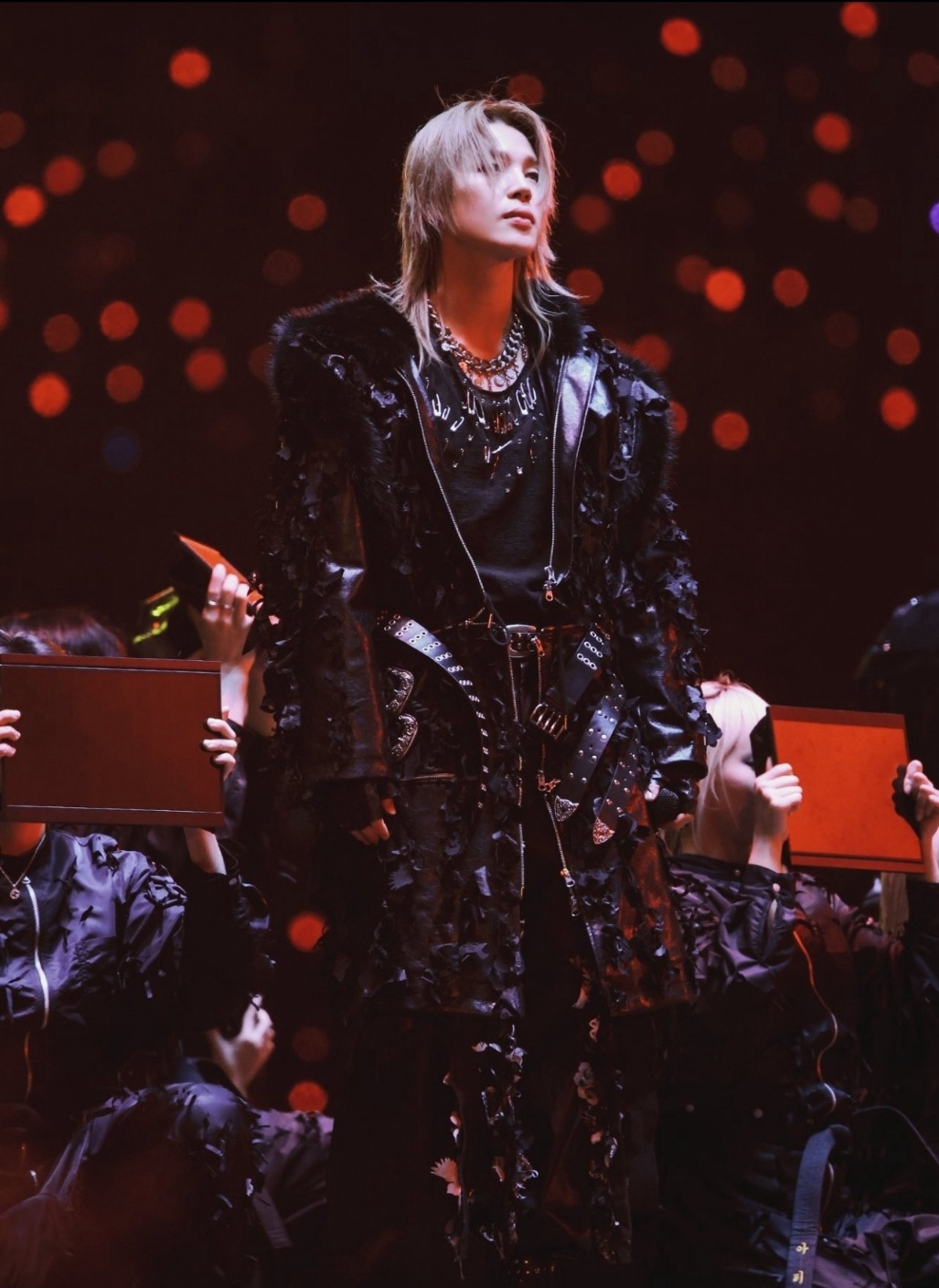
That reversal mattered because online outrage rarely slows down long enough to admit it may have jumped too quickly. Yet the Tokyo footage gave supporters something concrete to rally around. Posts highlighted how strong and emotional his live tone sounded, and some fans reacted with shock that he appeared to be singing so openly in a section where many might have expected a safer performance blend. The praise quickly became part defense, part vindication. In the eyes of many viewers, the same artist who had just been accused of hiding behind lip-syncing was now being held up as proof that the earlier narrative had been too simplistic.
Some reactions went even further. According to the online discussion highlighted around the clip, several viewers argued that Jimin seemed to be the only member fully singing all of his parts in that moment. Whether or not every fan would agree with that assessment, the claim itself showed just how sharply the conversation had swung. He was no longer being framed as the weak point under suspicion. He was being recast as one of the most audibly committed performers onstage.
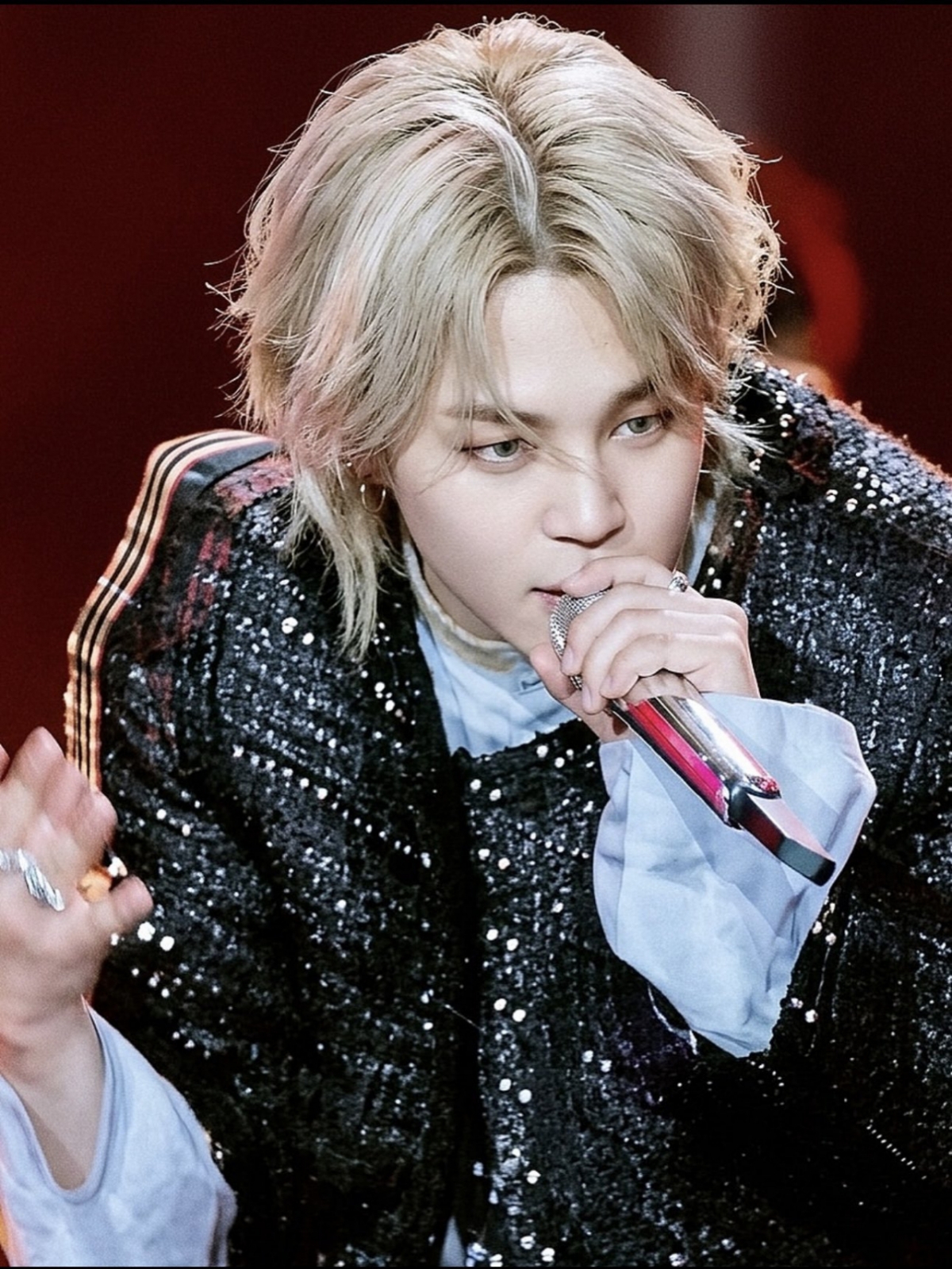
That kind of turnaround says as much about fandom culture as it does about the performance itself. In the span of a few viral clips, an idol can be torn down, dissected, defended, and elevated again. Rehearsal footage, especially when stripped of full context, often becomes a weapon online because it invites people to act like they are seeing the whole truth from a fragment. But live concert footage can change the emotional temperature instantly, especially when the performer in question sounds present enough to cut through the noise. Jimin’s Tokyo moment did exactly that. It did not erase the accusations from earlier in the week, but it complicated them in a way that made them harder to repeat with the same certainty.
And that may be why this moment caught so much attention. It was not just about one clean vocal clip. It was about contrast. First came the accusation, then the doubt, then the performance that gave fans ammunition to fight back. That arc is what made the clip spread. It offered something the internet loves almost as much as scandal: a rebuttal dramatic enough to feel like a public correction.
BTS still have another Tokyo date ahead before moving on to the first North American leg of the tour, which means the spotlight is only going to intensify from here. And for Jimin, that spotlight now carries a different energy. What began as a messy question over rehearsal lip-syncing has turned into a louder debate over what audiences are actually hearing when the pressure is highest. In a tour built to showcase one of the world’s biggest groups on the biggest stages, one brief vocal moment has already become one of its most talked-about turning points.