LE SSERAFIM is gearing up for a highly anticipated comeback with their second studio album PUREFLOW pt.1, scheduled for release on May 22, 2026. However, the pre-release excitement has been tempered by an unexpected setback: one of the album’s tracks has been deemed ineligible for broadcast on KBS due to concerns over “abusive language, vulgarity, and crude expressions” in its lyrics. The controversy has sparked widespread discussion among fans and industry observers about evolving standards in K-pop and the boundaries of artistic expression.
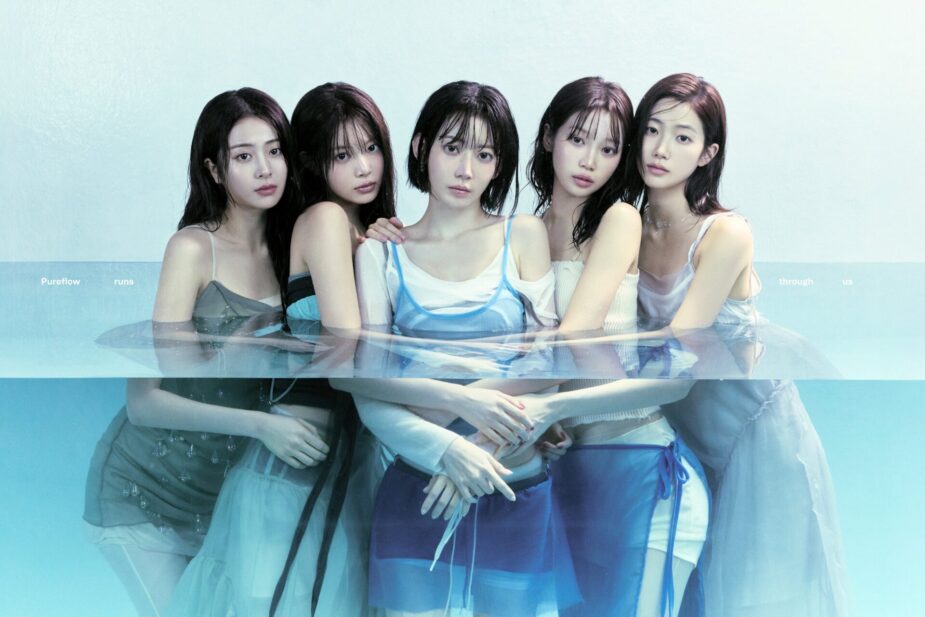
Out of the eleven tracks on PUREFLOW pt.1, nine successfully passed KBS’s rigorous song review process, which evaluates content for suitability on public television and radio. The two exceptions were the outro “Liminal Space,” dismissed as “a conversation, not a song,” and the collaboration “Saki (ft. Aliyah’s Interlude).” It is the latter that has drawn the most attention. KBS officially flagged the track for language issues, preventing it from being performed or promoted on the network’s music programs.
This decision has left many fans surprised. LE SSERAFIM, under Source Music and HYBE, has built a reputation for bold, confident concepts and empowering messages, but their previous releases have rarely encountered such regulatory hurdles. The group’s music often features strong, unapologetic attitudes — particularly in tracks written or co-written by members like Huh Yunjin and Sakura — yet this marks one of the more notable instances of a KBS ban for vulgarity in recent years.

Fan reactions have been mixed. Some expressed curiosity and amusement, with humorous comments imagining Sakura delivering sharp, defiant lines. Others voiced disappointment, arguing that the decision reflects overly conservative broadcasting standards that fail to keep pace with modern youth culture and global trends. Leaks and partial snippets of “Saki” quickly circulated online, fueling speculation about which specific lyrics triggered the ruling. While full details remain unconfirmed, the presence of strong slang or direct expressions appears to be the main issue.
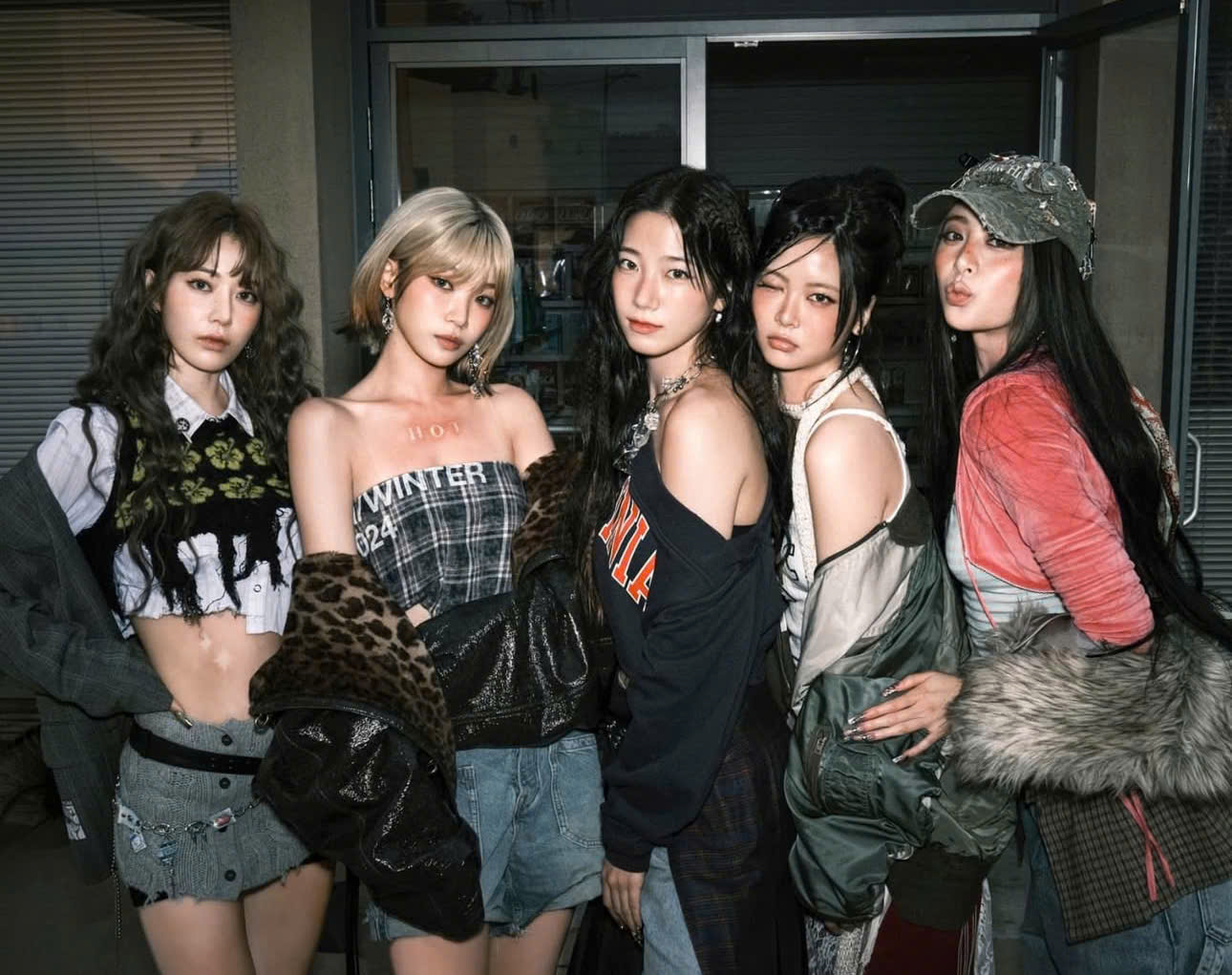
KBS’s review system is designed to maintain appropriate content for general audiences, frequently flagging profanity, explicit references, or socially sensitive material. Similar bans have affected other artists in the past, though the decision on LE SSERAFIM has drawn extra scrutiny given the group’s massive international following and their status as one of HYBE’s flagship girl groups. The timing, just days before the album drop, has intensified discussions about creative freedom versus broadcast regulations in the K-pop industry.
BIRCH SCAR🍃👁️
✰ 2nd Studio Album ‘PUREFLOW’ pt.1
2026.05.22 1PM (KST) | 12AM (ET)💿Pre-save & Pre-orderhttps://t.co/mG1oYRxyGz#LE_SSERAFIM #르세라핌 #PUREFLOW_pt1 pic.twitter.com/RwG4ROgRTR
— SOURCEMUSIC (@SOURCEMUSIC) May 11, 2026
Despite the ban, the album as a whole is still proceeding as planned. Nine tracks remain eligible for KBS promotion, including what fans anticipate will be the lead single. The collaboration with American artist Aliyah’s Interlude on “Saki” was expected to bring a fresh, genre-blending edge to the project. Member involvement in songwriting — with all five members credited on several tracks — has been a highlight of the pre-release campaign, showcasing LE SSERAFIM’s growing artistic autonomy.
This incident adds to a series of recent challenges for the group. Earlier controversies, including plagiarism accusations and debates over merchandise, have kept LE SSERAFIM in the spotlight for both positive and negative reasons. However, their dedicated fanbase (FEARNOT) has largely rallied behind them, viewing the KBS ruling as an opportunity to highlight the group’s bold identity rather than a setback. Many have pointed out that digital platforms and international audiences will still have full access to the track upon release.
The event also reignites broader conversations within the Korean entertainment industry. While global K-pop acts increasingly experiment with mature themes, domestic broadcasters maintain strict guidelines to align with traditional values. Critics argue that such restrictions can stifle creativity, especially for female artists who already face intense scrutiny. Supporters of the ban, meanwhile, emphasise the importance of protecting younger viewers and upholding certain standards on public airwaves.
As May 22 approaches, anticipation for PUREFLOW pt.1 remains high. The album promises a mix of introspective and energetic tracks, with member Yunjin contributing to eight songs. Whether “Saki” becomes a fan favourite despite (or because of) the controversy will likely be revealed soon after release. For now, the situation underscores the complex balance LE SSERAFIM must navigate between artistic expression and industry regulations.
In the competitive world of K-pop, where image and public perception are paramount, this latest development tests the group’s resilience. Their ability to turn challenges into strengths has defined much of their career so far. As fans await the full album, the KBS ban on “Saki” may ultimately amplify interest rather than diminish it, proving once again that controversy and curiosity often go hand in hand in the industry.