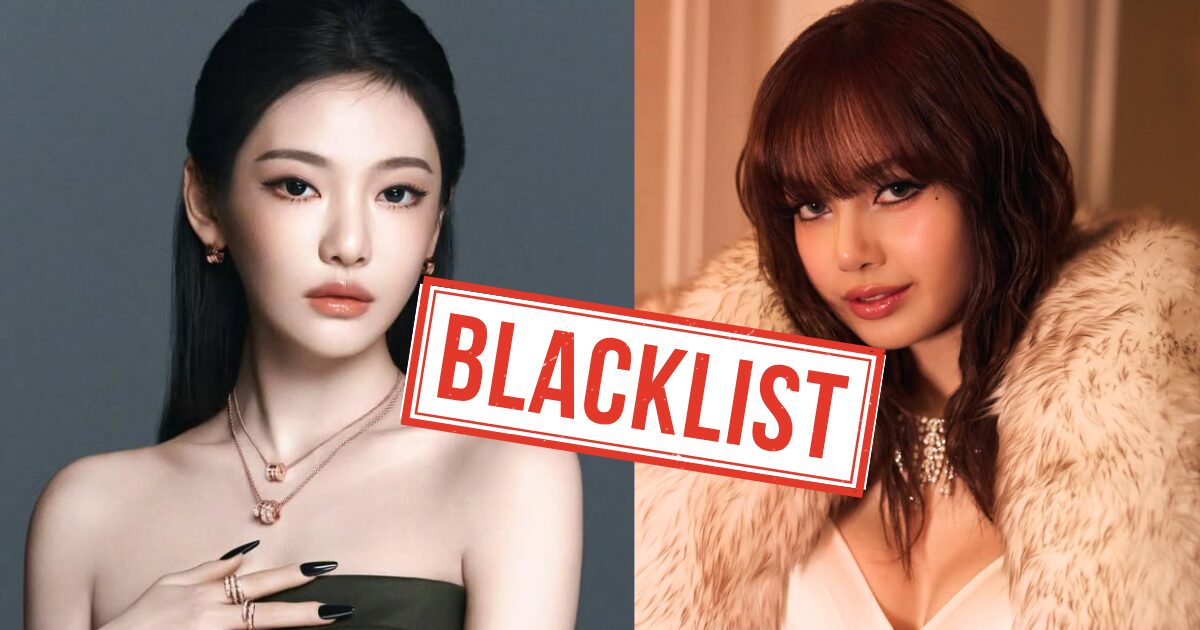
BLACKPINK’s Lisa and aespa’s Ningning have sparked intense online debate following their attendance at an after-party linked to the 2026 Met Gala. While the two idols were seen enjoying themselves and dancing together, some observers have criticised the choice of venue, leading to calls for blacklisting or even banning them from certain activities, particularly in the Chinese market. Others have defended the artists, arguing that the backlash is exaggerated and unfair.
The 2026 Met Gala took place on May 4, drawing significant attention from the global fashion and entertainment worlds. Several K-pop idols attended the prestigious event, and many continued the celebrations at various after-parties afterwards. Lisa and Ningning, along with aespa’s Karina, were among those who drew particular interest when they appeared at one of these gatherings. Fans were initially excited to see the idols interacting closely, with videos and photos of Lisa and Ningning dancing circulating widely on social media.
However, the positive buzz quickly shifted when details about the venue emerged. The party was held at The Box in New York, a location known for its bold, unconventional, and sometimes provocative performances, including elements of burlesque and drag shows. Some images from the event appeared to show more revealing or “exposed” moments than expected, prompting certain netizens to describe the atmosphere as involving a “striptease” or overly explicit content. This perception triggered a wave of criticism, especially from more conservative voices online.
In mainland China, where strict regulations govern celebrity behaviour, the reaction has been particularly strong. Chinese entertainment guidelines explicitly prohibit artists from participating in or promoting activities deemed obscene or explicit. A statement from the China Association of Performing Arts clearly lists such involvement as grounds for professional restrictions. Some Chinese netizens have drawn parallels with a previous controversy involving Lisa’s Crazy Horse performance in Paris in 2023, where several celebrities who attended faced temporary bans or blacklisting in China. Calls have now emerged for similar consequences for both Lisa and Ningning.
Ningning, being a Chinese member of aespa, faces additional scrutiny because a significant portion of her career and fanbase is connected to the Chinese market. Critics argue that her presence at such an event could damage her reputation and career prospects in her home country. Some have demanded that Chinese authorities and entertainment bodies take action to “handle” the situation formally.
On the other hand, many fans and commentators have pushed back against the extreme reactions. They point out that the after-party, hosted by figures such as Kate Moss and Teyana Taylor, did not officially feature any nude or overtly sexual performances. Descriptions of the event emphasise a lively, artistic celebration rather than anything illegal or explicitly prohibited. Supporters argue that simply attending a party with risqué elements does not equate to endorsing or participating in obscene content, and that demanding blacklisting represents an overreaction.
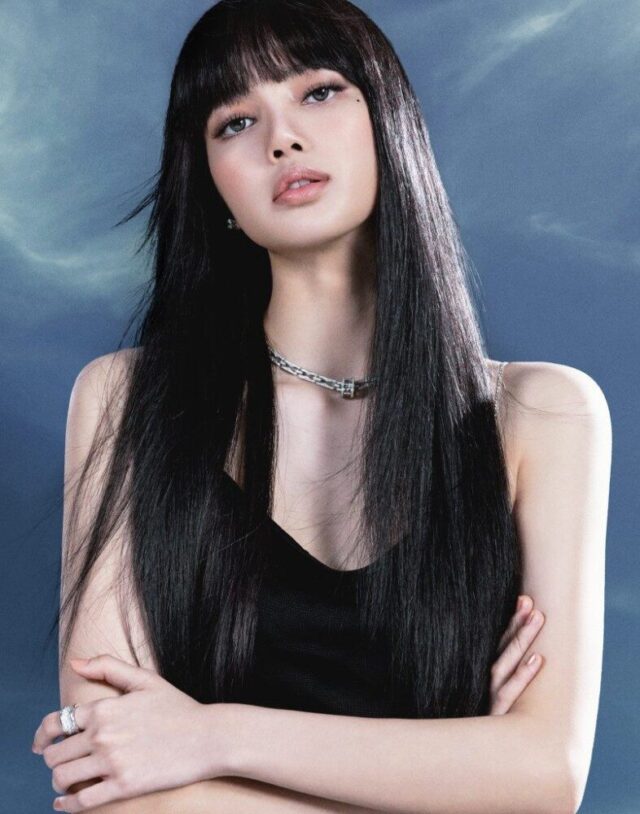
This incident highlights the ongoing challenges K-pop idols face when navigating global events and different cultural expectations. Lisa, in particular, has built an international profile through high-profile fashion partnerships, solo music releases, and appearances at major events. Her bold personal style and willingness to embrace Western entertainment scenes have earned her praise for breaking boundaries but have also made her a frequent target for criticism from more traditional audiences.
LISA WITH NINGNING & KARINA pic.twitter.com/2N9ck9tfn8
— blackpink (@blckpinkpic) May 6, 2026
Ningning, as a rising star in aespa, brings a strong vocal presence and charismatic stage presence to the group. Her participation in global fashion events reflects SM Entertainment’s strategy to expand the group’s international reach. However, as a Chinese idol, she must balance her global ambitions with the stricter standards applied in her domestic market. The situation underscores the complex realities of being a K-pop artist in today’s interconnected yet culturally divided world.
The debate has divided online communities. Some fans express disappointment and call for greater caution from their idols, while others celebrate the artists’ freedom to enjoy private celebrations after professional commitments like the Met Gala. Many point out that Western celebrities frequently attend similar events without facing comparable backlash, raising questions about double standards applied to Asian stars.
This is not the first time Lisa has encountered controversy related to her event choices. The 2023 Crazy Horse performance led to significant discussion about artistic expression versus cultural sensitivities. In that case, several Chinese celebrities who attended saw their activities restricted for a period. While some eventually returned to public work, the incident left a lasting mark on their public image. The current situation with Ningning adds a new layer, as it involves a younger idol still building her career.
From a broader perspective, these discussions reflect larger tensions within the entertainment industry. K-pop’s global expansion has brought immense success but also exposed artists to scrutiny from multiple cultural viewpoints. Companies, managers, and idols must carefully consider how their actions are perceived across different regions, especially in major markets like China, where regulations can have serious professional consequences.
As of now, neither Lisa nor Ningning’s agencies have issued official statements regarding the controversy. Fans continue to monitor developments, with many expressing support and urging others to avoid spreading unverified claims. The idols themselves have not commented publicly on the after-party or the subsequent reactions.
Ultimately, the incident serves as a reminder of the intense public spotlight on K-pop stars. What began as a glamorous night celebrating fashion and music has turned into a polarising discussion about appropriateness, cultural norms, and the limits of celebrity freedom. While some demand accountability and restrictions, others advocate for understanding and respect for personal choices in private settings. How this situation evolves could influence future decisions by K-pop idols attending international events.