The release of “GOALS,” the official anthem for the 2026 FIFA World Cup featuring BLACKPINK’s Lisa alongside Anitta and Rema, has triggered significant controversy and sharp criticism from various corners of the global audience. While the song achieved strong commercial numbers, with its music video surpassing two million views shortly after release, many critics and football fans have voiced strong dissatisfaction, describing it as a disappointing downgrade from previous World Cup anthems.
One of the most repeated complaints centres on the song’s perceived lack of grandeur and emotional resonance. Traditional World Cup songs such as Shakira’s “Waka Waka” or other past anthems are often remembered for their powerful, unifying messages and infectious energy that capture the spirit of the tournament. In contrast, many listeners have labelled “GOALS” as generic, overly commercial, and lacking depth. Online comments frequently describe it as “AI-generated slop” or a “mess,” arguing that the track feels more like a standard pop collaboration than a meaningful anthem capable of inspiring millions during the world’s biggest sporting event. Critics claim the production prioritises catchy hooks and star power over substance, resulting in a track that feels forgettable and mismatched for such a prestigious occasion.

A significant portion of the backlash has focused directly on Lisa’s contribution. Detractors have questioned her vocal performance, with some accusing her of relying heavily on auto-tune and suggesting she may lip-sync during the live opening ceremony performance scheduled in Los Angeles. This criticism ties into long-standing debates about her live singing abilities, which have resurfaced multiple times throughout her career. Some football purists argue that a K-pop idol’s involvement dilutes the authenticity of a World Cup anthem, claiming it represents a shift toward commercialisation rather than celebrating the sport’s global heritage. Comments such as “To sing you need a voice, not legs” reflect a dismissive attitude toward Lisa’s dance-focused image and perceived lack of vocal prowess for such a high-profile stage.

Comparisons with previous collaborations, particularly those involving BTS members like Jungkook, have further intensified the negativity. Some netizens engaged in fan wars, suggesting Lisa’s role as a performer at the opening ceremony feels less prestigious than BTS’s headlining slot. Others resurfaced older controversies, including Lisa’s 2025 coin toss moment with Son Heung-min, using it to mock her connection to football and question her suitability for the event. Accusations of cultural appropriation and “forced global appeal” have also circulated, with certain commentators claiming the song’s blend of K-pop, Latin, and Afrobeats feels artificial and market-driven rather than organically celebratory.

Beyond musical critiques, some reactions have taken on a more personal and hostile tone. Lisa has faced renewed scrutiny over her public image, with a minority of voices resorting to misogynistic or racially charged comments targeting her Thai heritage and status as a prominent Asian artist in Western-dominated spaces. These toxic responses have drawn condemnation from supporters, who argue that much of the hatred stems from envy over Lisa’s continued global success and visibility. Nevertheless, the volume of negative discourse has been substantial enough to trend on multiple platforms, creating a polarised environment where defenders urge critics to “give the full song a chance” while opponents maintain their stance that the anthem fails to meet expectations.
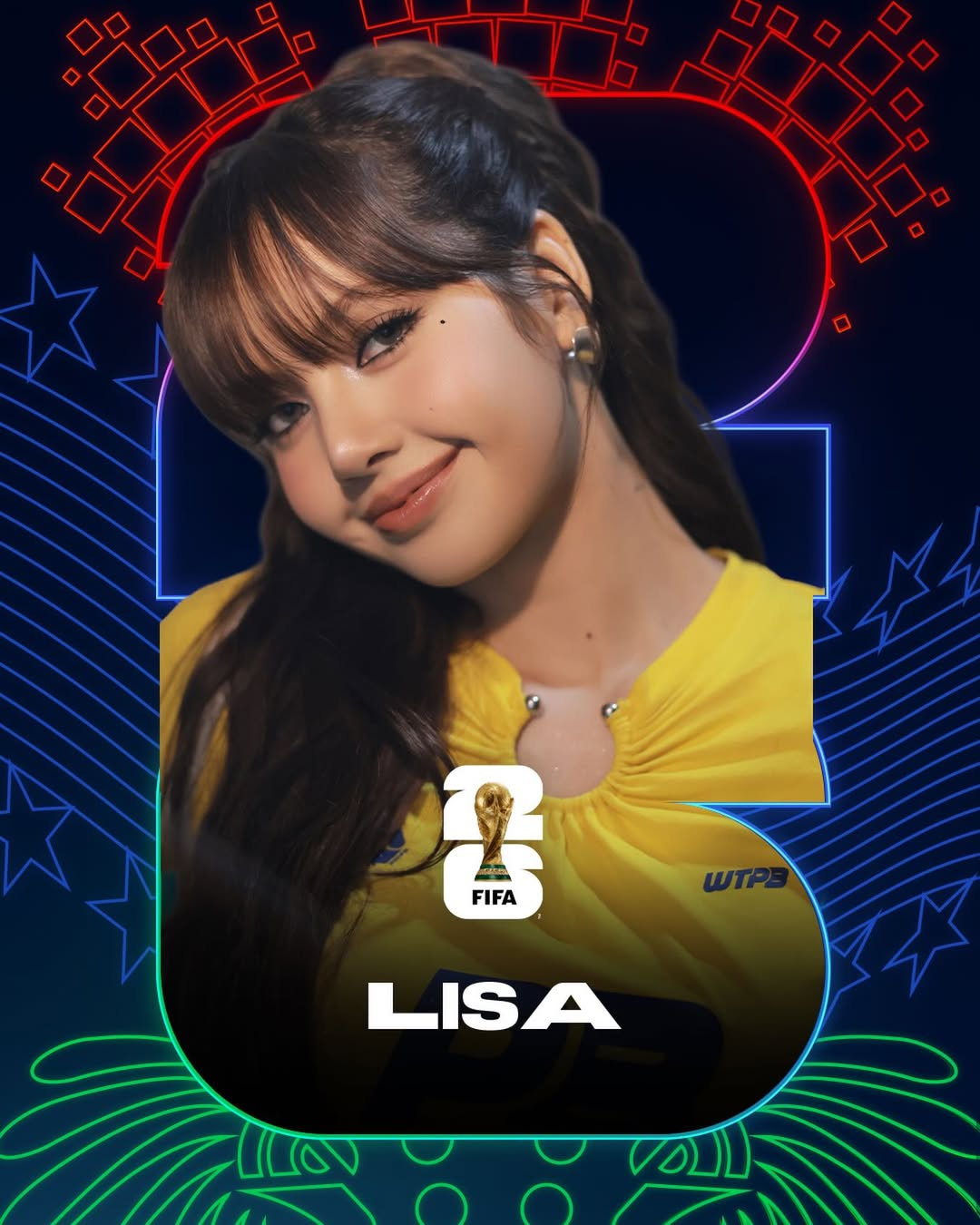
The controversy also highlights broader tensions within the entertainment and sports industries. Some analysts point out that FIFA’s choice to feature a K-pop star reflects the organisation’s strategy to appeal to younger, global audiences and tap into Asia’s massive market. However, this commercial approach has alienated traditional football fans who prefer anthems with stronger cultural or emotional ties to the sport itself. The debate has extended to discussions about authenticity in event soundtracks, with many arguing that star power alone cannot compensate for a lack of meaningful connection to the tournament’s values.
Despite the criticism, Lisa’s fans (known as BLINKs) have mounted a strong defence, praising her versatility and the song’s energetic vibe. They emphasise her hard work and global influence, viewing the backlash as another example of unfair standards applied to female idols. The situation has once again demonstrated the intense scrutiny faced by BLACKPINK members whenever they step into new territories.
As the 2026 World Cup approaches, the discourse surrounding “GOALS” serves as a case study in the challenges of blending pop culture with major sporting events. While the song has achieved commercial success, its reception reveals deep divisions in audience expectations. Whether the full performance at the opening ceremony can shift opinions remains to be seen, but the early backlash has already sparked important conversations about representation, artistic merit, and the evolving nature of global sporting anthems in the modern entertainment landscape.
The intensity of criticism directed at Lisa underscores both her high visibility and the polarising nature of her rapid rise as a solo artist. As one of the most recognisable K-pop figures on the international stage, every project she undertakes attracts both fervent support and vocal opposition. The “GOALS” controversy may ultimately fade as the tournament progresses, but it has left a notable mark on the pre-event narrative.