The ambitious Michael Jackson biopic Michael underwent a significant overhaul during production, including expensive reshoots costing an estimated $10–15 million, after the Jackson estate realised that key scenes depicting child sexual abuse allegations violated a legal settlement. The changes resulted in a completely revised third act that entirely omits any mention of the controversial accusations, fundamentally altering the film’s original vision.
According to sources familiar with the production, the original script opened dramatically in 1993 with Jackson staring at his reflection in a mirror as police lights flashed outside, capturing his distress following accusations of child molestation. A substantial portion of the third act was dedicated to exploring the impact of these allegations on his life and career. However, attorneys for the Jackson estate discovered a clause in the 1993 settlement with Jordan Chandler’s family that explicitly barred any depiction or mention of the Chandlers in future commercial projects. This late-stage revelation forced filmmakers to scrap the planned ending and reshoot major sequences.
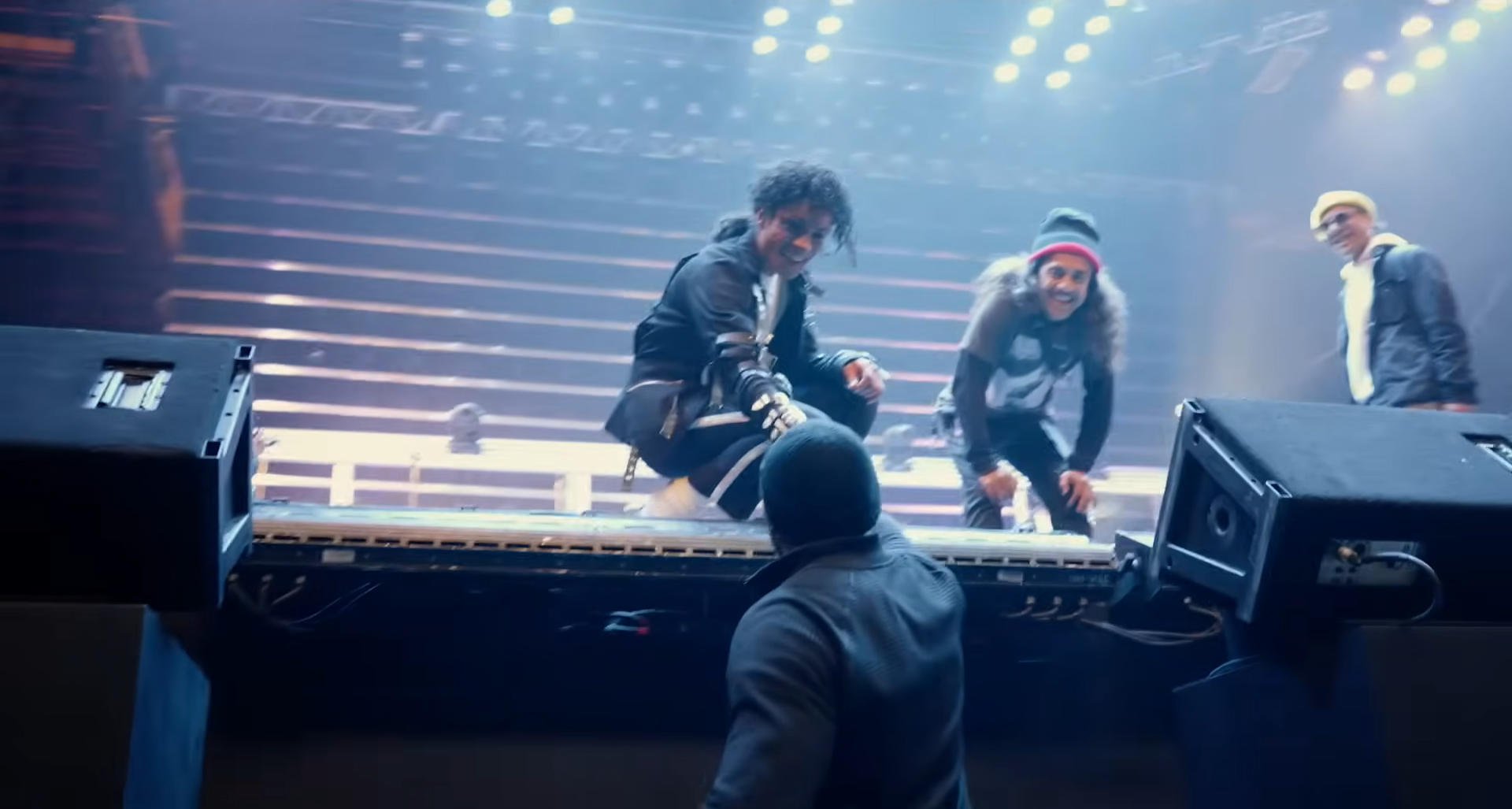
The reshoots took place over 22 days in June 2025, primarily in Los Angeles after principal photography had wrapped in Santa Barbara. Because the additional filming did not qualify for California tax rebates, the extra costs fell directly on the Jackson estate, which reportedly covered them in full. In return, the estate secured an equity stake in the film. The production delays pushed the release from an initial April 2025 target to October 2025, and finally to April 24, 2026.

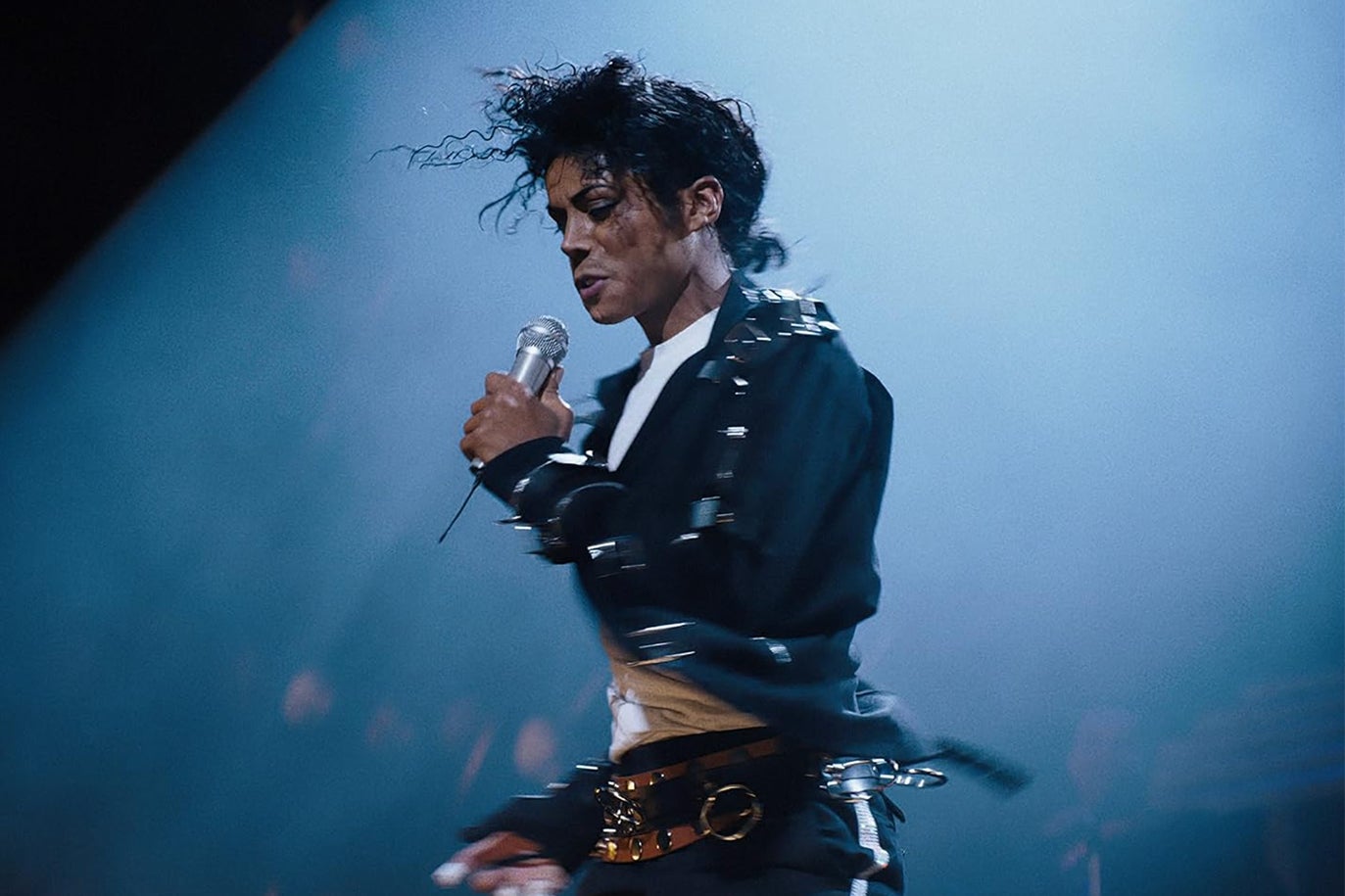
In the final version, Michael now concludes at the height of Jackson’s success during his Bad tour in the late 1980s, focusing on his electrifying stage performances rather than the darker chapters of his life. The narrative emphasises his complex relationship with his domineering father, Joe Jackson (played by Colman Domingo), and explores his recovery from severe scalp burns sustained during a 1984 Pepsi commercial, including the subsequent painkiller addiction. Jaafar Jackson portrays his uncle in the lead role, delivering what many early viewers describe as a powerful musical showcase.
Producer Graham King, who had been developing the project for years, originally aimed for a more comprehensive exploration of Jackson’s life. The estate, however, drew confidence from the success of the Broadway jukebox musical MJ, which similarly ends before the 1993 allegations and has grossed over $300 million. This precedent, along with other Jackson-related productions like the Cirque du Soleil show, encouraged a more celebratory tone that prioritises his musical genius over controversy.

Director Antoine Fuqua and the creative team consulted closely with Jackson’s attorney John Branca and estate executive Karen Langford. Jackson’s son Prince served as an executive producer and was present on set daily, while his other children, Paris and Bigi, had no involvement. The estate has consistently maintained Jackson’s innocence regarding all allegations, and the film reflects this position by avoiding the topic entirely.
The decision has reignited debates about how to portray complex historical figures in cinema. Critics argue that removing such significant elements presents an incomplete and sanitised version of Jackson’s story, especially given the film’s marketing claims of an “honest” portrayal. Supporters, however, contend that the estate has the right to protect its legacy and focus on Jackson’s unparalleled artistic contributions rather than revisiting unproven allegations from which he was acquitted in criminal court.
Early box-office tracking suggests Michael could open to over $55 million domestically, potentially outperforming Bohemian Rhapsody in its first weekend. Lionsgate and international distributor Universal are optimistic about a worldwide gross exceeding $700 million. The strong musical sequences and Jaafar Jackson’s performance are expected to drive audience interest, particularly among fans eager to celebrate Jackson’s catalogue.
Behind the scenes, discussions about potential sequels are already underway. With the original cut reportedly running over three and a half hours, substantial material was left unused. Producer Graham King has expressed interest in turning the story into a multi-film franchise, with future instalments possibly covering Jackson’s later albums such as Dangerous and Invincible, the creation of Neverland Ranch, and other aspects of his life. How — or whether — these sequels would address the legal battles and allegations remains unclear.
The costly overhaul highlights the intricate legal and creative challenges involved in biographical filmmaking, especially when dealing with estates that hold significant control. While the changes ensured the project could move forward without legal complications, they have also fuelled criticism that the final product prioritises commercial viability and family approval over a fully nuanced portrait.
As Michael prepares to hit theatres, it stands as both a lavish tribute to one of popular music’s greatest talents and a case study in the tensions between artistic ambition, legal restrictions, and public expectations. Whether audiences embrace this polished version or call for a more complete examination of Jackson’s complicated legacy will ultimately be decided at the box office and in ongoing cultural conversations.