South Korean broadcaster MBC is under heavy criticism once again due to its latest programming decision involving the drama Perfect Crown. The series, which has been surrounded by significant controversy since its release, continues to divide public opinion, yet MBC has chosen to air a full marathon rerun of all episodes across two consecutive days, further fueling public anger.
Perfect Crown has faced widespread criticism from the beginning for its fictional setting involving a constitutional monarchy, its portrayal of certain characters, and what many viewers interpret as sensitive political undertones. Even after the drama concluded, calls for MBC to issue a formal apology or remove the series entirely have persisted. Instead of addressing these concerns, the network’s decision to rebroadcast the entire series has been seen by many as dismissive of public sentiment.

The marathon rerun is scheduled to begin on June 3, 2026, at 9 AM and continue until June 4 at 5 PM. This extended airing has triggered a strong negative response on Korean online communities. Netizens have taken to forums to express their frustration, with many accusing the broadcaster of prioritizing profits over public accountability. Comments such as “Disgusting sellouts” and “They really don’t care what people think” reflect the prevailing mood among dissatisfied viewers.

Many argue that MBC’s move sends the wrong message — that by ignoring criticism and simply waiting for public outrage to fade, the network can continue as if no controversy existed. Some viewers pointed out that this approach might encourage other productions to overlook similar issues in the future. Others expressed disappointment that the broadcaster appears unwilling to acknowledge the concerns raised by a significant portion of the audience.
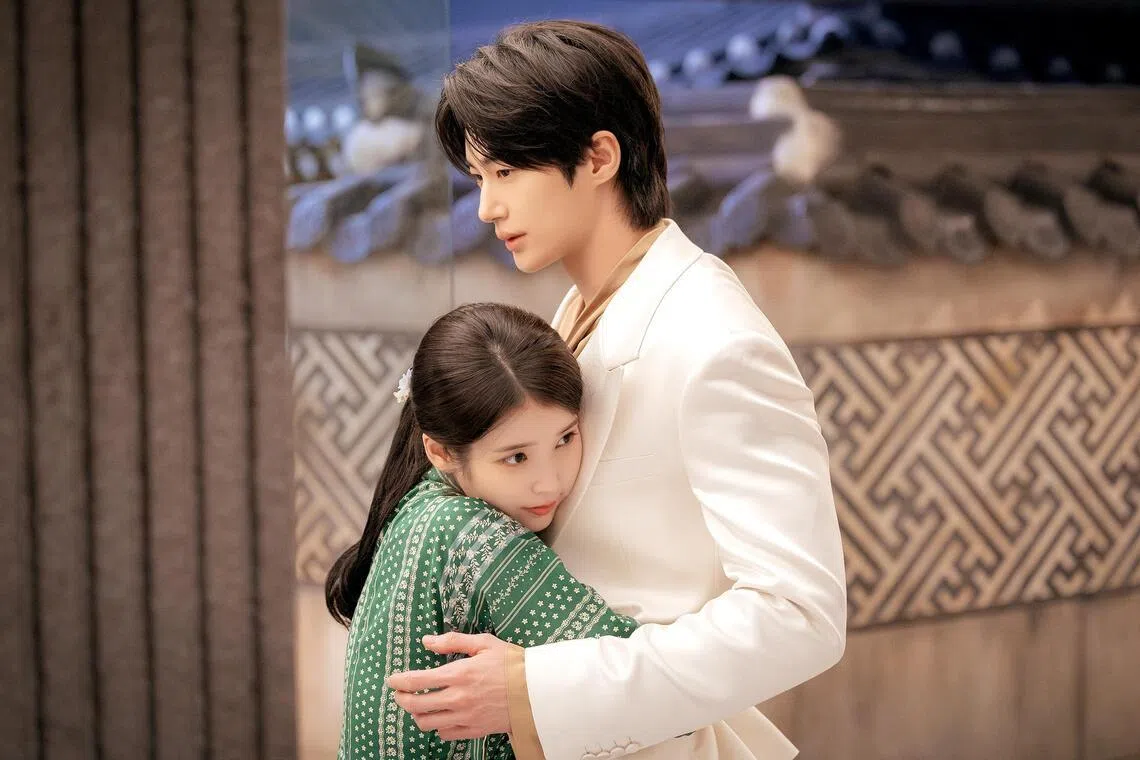
The backlash has been particularly intense on platforms like theqoo, where users have repeatedly demanded that the drama be completely scrapped from MBC’s catalog. Several comments highlighted the perceived inconsistency in how the network handles public feedback. One user wrote, “They’re proving that if you don’t apologize and just hold out, people eventually get tired, give up, and it becomes like nothing happened.” This sentiment captures the growing cynicism toward the broadcaster’s handling of the situation.

The controversy surrounding Perfect Crown has been multifaceted. Critics have questioned the drama’s fictional monarchy concept, arguing that it carries implicit commentary on real-world political structures. Character portrayals have also drawn ire, with some feeling certain figures were depicted in ways that could be seen as disrespectful or overly stereotypical. These issues, combined with broader discussions about media responsibility, have kept the drama in the spotlight long after its final episode aired.
MBC’s decision to rerun the series comes at a time when the network is already facing questions about its programming choices and audience trust. Some industry observers suggest that the marathon may be an attempt to maximize viewership numbers and advertising revenue. However, this strategy appears to be backfiring, as it has reignited debates rather than allowing the controversy to subside.
The scriptwriter of Perfect Crown recently broke their silence on the matter, but their comments only intensified demands for the drama to be taken down. This has created a challenging situation for MBC, which now finds itself caught between defending its creative choices and managing significant public dissatisfaction.
For many Korean viewers, the issue goes beyond a single drama. It touches on larger questions about the role of public broadcasters, freedom of expression in entertainment, and the responsibility media outlets have toward their audiences. The strong reactions demonstrate how deeply invested people can become in content that appears to cross certain cultural or political boundaries.
As the rerun dates approach, it remains to be seen whether MBC will adjust its plans or proceed despite the criticism. Some netizens have called for organized boycotts or further petitions, while others predict that public attention may eventually shift to other topics. However, the current level of frustration suggests the controversy is far from over.
This situation also highlights the power of online communities in shaping media narratives in South Korea. Platforms where viewers gather to discuss dramas have become influential spaces where public opinion can quickly mobilize against content perceived as problematic. In this case, the sustained pressure on MBC demonstrates how difficult it can be for broadcasters to ignore collective discontent.
MBC has not yet issued an official response to the latest wave of criticism. The network’s silence has only added to the perception that it is indifferent to viewer concerns. For a public broadcaster with a long history in Korean entertainment, maintaining trust with its audience is crucial, and decisions like this rerun risk further damaging its reputation.
As the drama world continues to evolve, cases like Perfect Crown serve as important reminders of the delicate balance between creative freedom and social responsibility. How MBC handles the ongoing backlash may influence not only the future of this particular series but also how similar controversies are managed in the industry moving forward.
For now, the decision to air the full marathon has left many viewers disappointed and angry. Whether this latest move will ultimately hurt or help the drama’s legacy remains uncertain. What is clear, however, is that Perfect Crown has become more than just a television series — it has turned into a focal point for broader discussions about media accountability in contemporary South Korea.