Veteran Korean actor Lee Hoon has opened up about a reality far darker than most people associate with a familiar television face. After spending decades in the industry and building a name through tough, masculine roles, he is now confronting a stretch so bleak that he says he fears he could end up starving if things do not change.

The actor recently appeared on KBS’s Unpredictable Fortunetellers, where he spoke with painful honesty about what the last few years have looked like behind the scenes. From the outside, someone with his résumé might seem secure, established, even untouchable. But Lee Hoon described a career that has effectively been stuck in limbo, with projects appearing just long enough to give him hope before collapsing one after another.
According to him, every major opportunity lined up over the past three years has fallen apart.
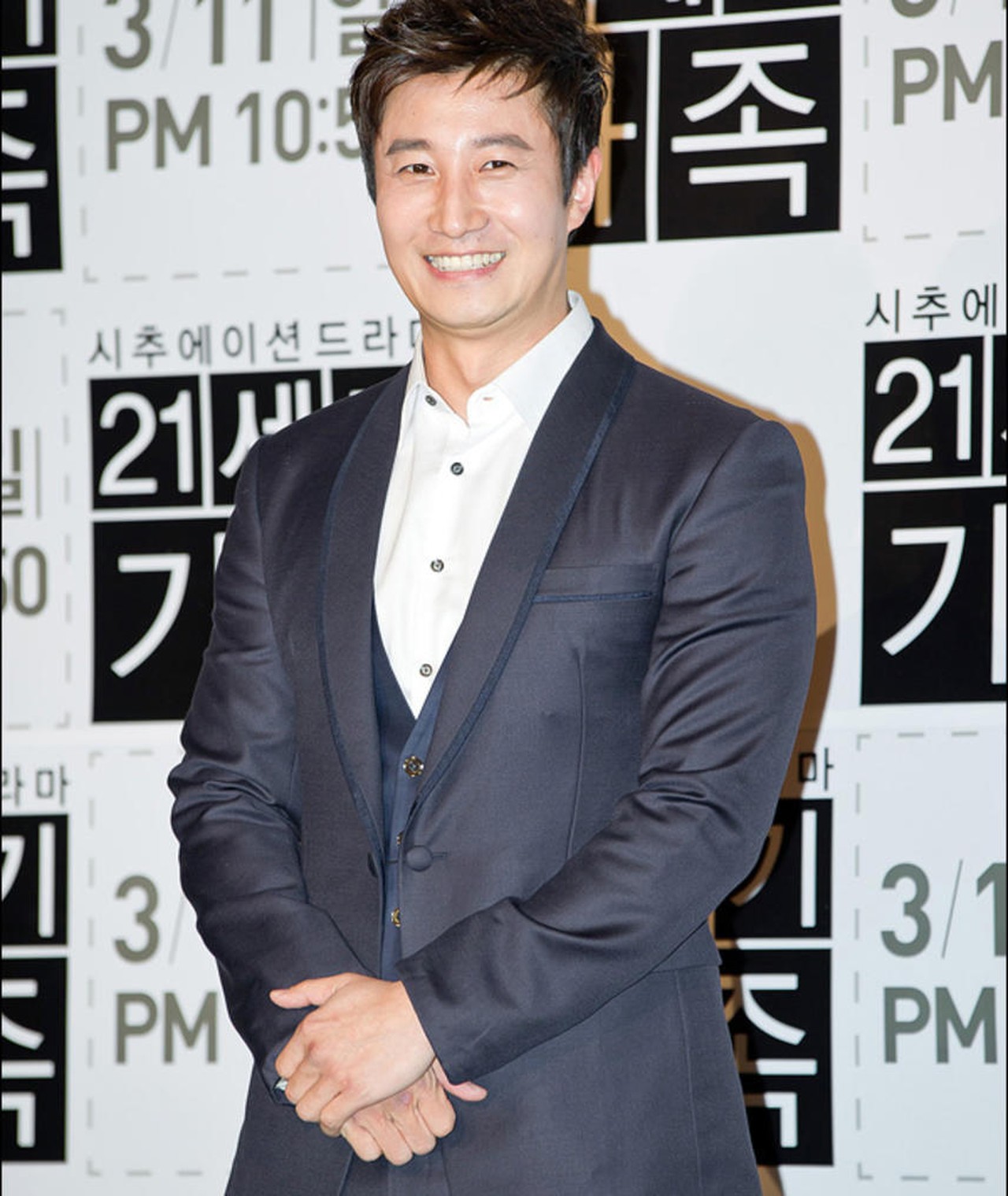
One K-drama he had been filming in 2024 was ultimately scrapped. Another project that was supposed to shoot in the United States in 2025 was pushed back indefinitely because of multiple complications. Even a production planned for this year has now been delayed without a clear end in sight because of budget problems. What makes the situation especially brutal is that Lee Hoon is not describing a simple dry spell where nothing comes in at all. The offers do appear. The conversations happen. The possibility of a return keeps flickering in front of him. But each time, the result is the same: nothing actually moves forward.
That kind of uncertainty may be even harder than a clean ending.
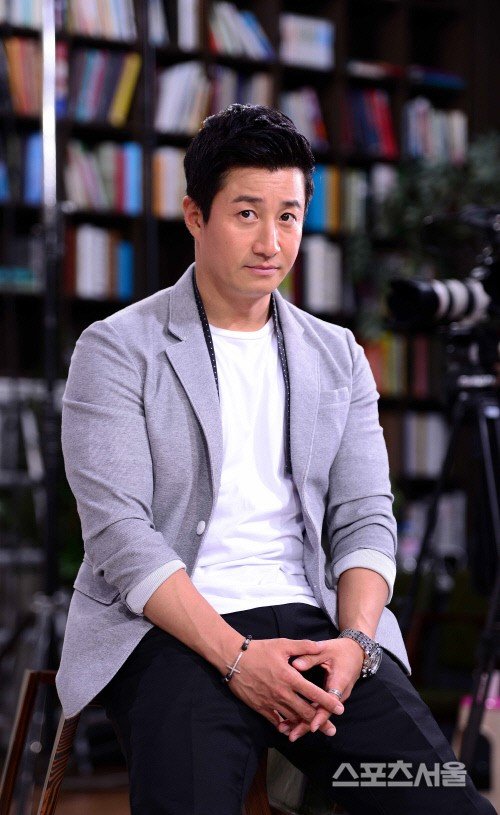
Lee Hoon admitted that he has reached a point where he feels trapped at a painful crossroads. He knows that, in theory, he could walk away from acting if he absolutely had to. But emotionally and professionally, it is not that simple. The industry has not fully shut its door on him. Instead, it keeps leaving the door half-open, just enough to stop him from giving up, yet never enough to let him step through. That lingering hope has kept him attached to a profession that is no longer giving him the stability he needs to survive.
And now that emotional strain is turning into raw desperation.
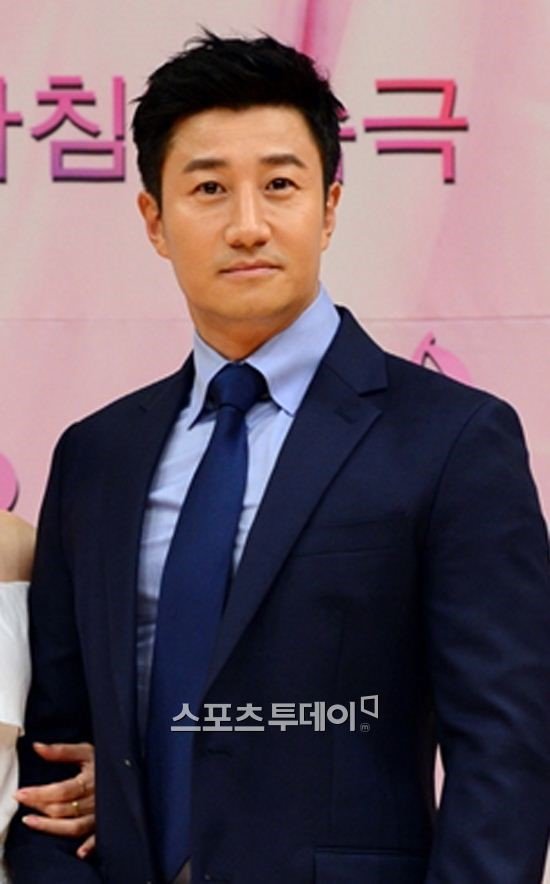
In one of the most painful moments from the episode, Lee Hoon stopped speaking like a veteran star reflecting on the ups and downs of show business and started sounding like a man in real fear of what comes next. He admitted that he feels as though, at this rate, he may starve to death. He said he is genuinely desperate. He made it clear that he is willing to audition, willing to be called at any time, willing to fight for work even after having won acting awards in the past. It was not a glamorous comeback pitch. It was a public plea from an actor who seems painfully aware of how far he has fallen from where he once stood.
That is what makes the story hit so hard. This is not someone talking about fading relevance in abstract terms. This is a man with a long career saying out loud that prestige, history, and past recognition are not paying the bills now.
Show host Seo Jang Hoon responded with advice that was blunt but practical. He described Lee Hoon as diligent, but also proud and stubborn, and suggested that this stage of his life may require him to let go of some of that pride if he wants to keep working. The message was clear: waiting for the right opportunity may no longer be enough. He may have to chase roles more aggressively, push himself outside his comfort zone, and approach the industry with a different kind of urgency.
That advice likely stung because it touched on something deeper than career strategy. For actors who have already proven themselves, there is often a hidden humiliation in having to start asking again, especially in an industry that tends to celebrate momentum and move on quickly when that momentum disappears. Lee Hoon is no newcomer. He debuted back in 1994 through the K-drama Seoul’s Moon and went on to build a career that earned him public recognition and support. For years, he represented a certain kind of screen presence that audiences knew well.
Now, decades later, he is no longer fighting for the next level of fame. He is fighting for the basic right to continue doing the work that shaped his life.
That is the cruelest twist in all of this. A man who once stood as a recognizable star is now forced to publicly plead for a chance, not because he lost the desire to act, but because the machinery around him keeps collapsing before he can step back into it. The projects are there until they are not. The future seems possible until it vanishes again. And in that cycle of nearly, almost, and not quite, Lee Hoon has been left hanging long enough for desperation to replace dignity.
What he revealed was not just a personal confession. It was a brutal reminder of how fragile even a long entertainment career can become when work stops materializing. Fame may leave a memory, but it does not always leave security. And for Lee Hoon, that gap between past recognition and present survival has now become terrifyingly real.