In the surprise prequel episode “Gary” of The Bear, every line of dialogue and seemingly casual reference carries intentional weight. One standout Easter egg occurs during Richie Jerimovich and Mikey Berzatto’s day trip to Gary, Indiana: their enthusiastic mention of pizza puffs. What appears at first as light-hearted banter about local food quickly reveals itself as a richly layered detail — blending regional authenticity, cultural pride, and subtle foreshadowing of the characters’ emotional states.
:max_bytes(150000):strip_icc():focal(812x334:814x336)/jon-bernthal-the-bear-050626-25ed8d2196764e3e882a082ed8320439.jpg)
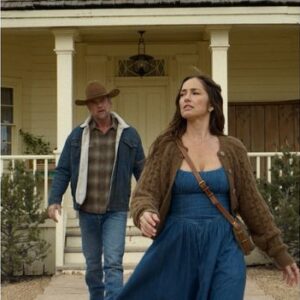
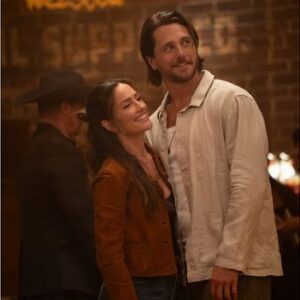
As Richie and Mikey kill time while waiting for their mysterious delivery, they immerse themselves in Gary’s identity. Mikey proudly lists the city’s claims to fame: “Michael Jackson grew up here! John Cougar Mellencamp. Freddie Gibbs!” He then adds with equal enthusiasm, “Hell, there’s a whole Music Man song dedicated to Gary, Indiana, and they’ve even got pizza puffs!” The moment is delivered with infectious energy, capturing the duo’s attempt to turn an ordinary errand into a nostalgic adventure. For viewers paying close attention, this reference functions as both a genuine nod to place and a quietly poignant character beat.
![Review] Gary (2026) | The Bear Special Episode - Ronit J](https://i0.wp.com/ronitjauthor.com/wp-content/uploads/2026/05/Gillian-Jacobs-as-Tiffany-Ebon-Moss-Bachrach-as-Richard-22Richie-22-Jerimovich-in-Gary-2026-The-Bear.webp?resize=1024%2C547&ssl=1)
Pizza puffs themselves are a beloved Chicago-area specialty rather than a strictly Gary invention. Created by Iltaco Foods, these deep-fried, pillow-like pastries resemble oversized pizza rolls or flat chimichangas. They feature a flaky crust stuffed with tangy tomato sauce, gooey mozzarella cheese, and fillings such as pepperoni or sausage. Crispy on the outside and molten inside, they have long been a staple comfort food in the Midwest — popular at school cafeterias, corner stores, and late-night spots. By attributing them proudly to Gary in the episode, the writers cleverly highlight how residents of smaller industrial cities often claim regional delights as their own to bolster local identity.

This food reference grounds the episode in hyper-specific realism, a hallmark of The Bear’s storytelling. Gary, Indiana — a struggling Rust Belt city just across the state line from Chicago — carries a complex reputation. Once a booming steel town, it now grapples with economic decline, yet retains fierce civic pride. Mentioning pizza puffs alongside icons like Michael Jackson (born in Gary) and rapper Freddie Gibbs serves as shorthand for that duality: a place that has produced global superstars while nurturing simple, satisfying pleasures like fried street food. The line celebrates underdog resilience and the small joys that make ordinary life meaningful.
On a deeper level, the pizza puffs moment underscores the fragile bond between Mikey and Richie. Their day together mixes laughter, shared history, and simmering tension. Talking about local delicacies represents a fleeting attempt at normalcy and connection. Richie, soon to become a father, clings to these light moments, while Mikey’s manic enthusiasm masks his growing inner darkness. The casual food chat feels warm and brotherly on the surface, yet it subtly foreshadows the eventual breakdown of their relationship. Just as pizza puffs offer temporary satisfaction before the inevitable crash of fullness or regret, Mikey’s charisma provides short-term comfort that cannot sustain him.
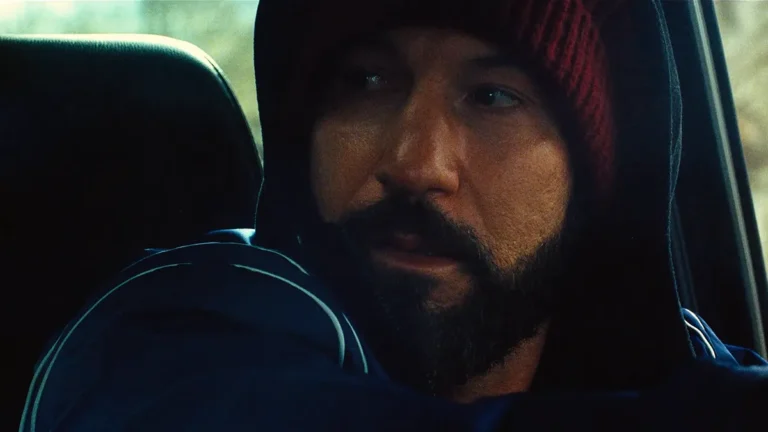
Food has always been central to The Bear’s emotional language — from the high-pressure kitchen chaos at The Original Beef to Carmy’s obsessive pursuit of excellence. In “Gary,” the pizza puffs reference expands this motif outward. It contrasts the refined culinary world the Berzatto family aspires to with the everyday, greasy comforts of working-class Midwest life. Mikey and Richie eating (or at least hyping) pizza puffs symbolizes a return to roots, a momentary escape from their troubles. Yet even this simple pleasure exists within a day that ends in painful confrontation, highlighting how nostalgia can both heal and hurt.
Eagle-eyed fans have also noted how the mention ties into broader themes of legacy and decline. Gary produced musical legends, yet struggles economically. Similarly, Mikey is a charismatic figure capable of greatness who is slowly unraveling. The pizza puffs — indulgent, messy, and deeply satisfying — mirror Mikey’s personality: larger-than-life on the outside, but ultimately unable to provide lasting nourishment. The episode never over-explains these layers, trusting the audience to connect the dots during rewatches.
Director Christopher Storer and writers Ebon Moss-Bachrach and Jon Bernthal use such details masterfully. The pizza puffs line is funny and quotable, yet it deepens the episode’s exploration of masculinity, friendship, and mental health. It reminds viewers that even in moments of fun — scarfing down fried food, trash-talking on the basketball court, or listing hometown heroes — underlying pain simmers. This attention to culinary and cultural specificity makes “Gary” feel lived-in and authentic, elevating a simple road trip into something profoundly moving.
For longtime fans, the reference also enriches Richie’s arc. His love for bold, unpretentious flavors later informs his work at The Bear. In “Gary,” we see the origins of that appreciation — forged during carefree (yet loaded) days with Mikey. The pizza puffs become a small but potent symbol of what Richie loses and carries forward: the messy, flavorful bonds of chosen family.
In the end, the pizza puffs Easter egg exemplifies The Bear’s genius for turning the mundane into the meaningful. A passing mention of a regional snack becomes a window into pride of place, the comfort of shared memories, and the quiet tragedy of lives burning brightly before fading. As audiences dissect the surprise episode ahead of the final season, details like this continue to reward close viewing, proving that even the smallest bites can carry the heaviest emotional weight.