In the surprise prequel episode “Gary” of The Bear, director Christopher Storer and the creative team weave subtle visual motifs throughout the narrative that reward attentive viewers. Among the most striking and repeatedly discussed elements are the intermittent shots of burning fields. These images appear without immediate explanation, cutting abruptly from the tense, character-driven scenes between Richie Jerimovich and Mikey Berzatto during their trip to Gary, Indiana. Far from being random B-roll, these burning field sequences function as layered Easter eggs, offering both literal grounding in the location and profound metaphorical depth regarding Mikey’s psychological decline and the slow disintegration of his bond with Richie.
The episode follows Richie and Mikey on what begins as a seemingly casual road trip for a drug-related errand. As they navigate old friendships, fleeting moments of camaraderie, and underlying tensions, the camera occasionally drifts to wide shots of fields engulfed in flames. These visuals are not flashy or over-explained; they simply interrupt the flow, lingering just long enough to register before returning to the bar, the basketball court, or the car. For audiences familiar with the show’s meticulous attention to detail, such insertions signal intentional symbolism rather than mere atmospheric filler.
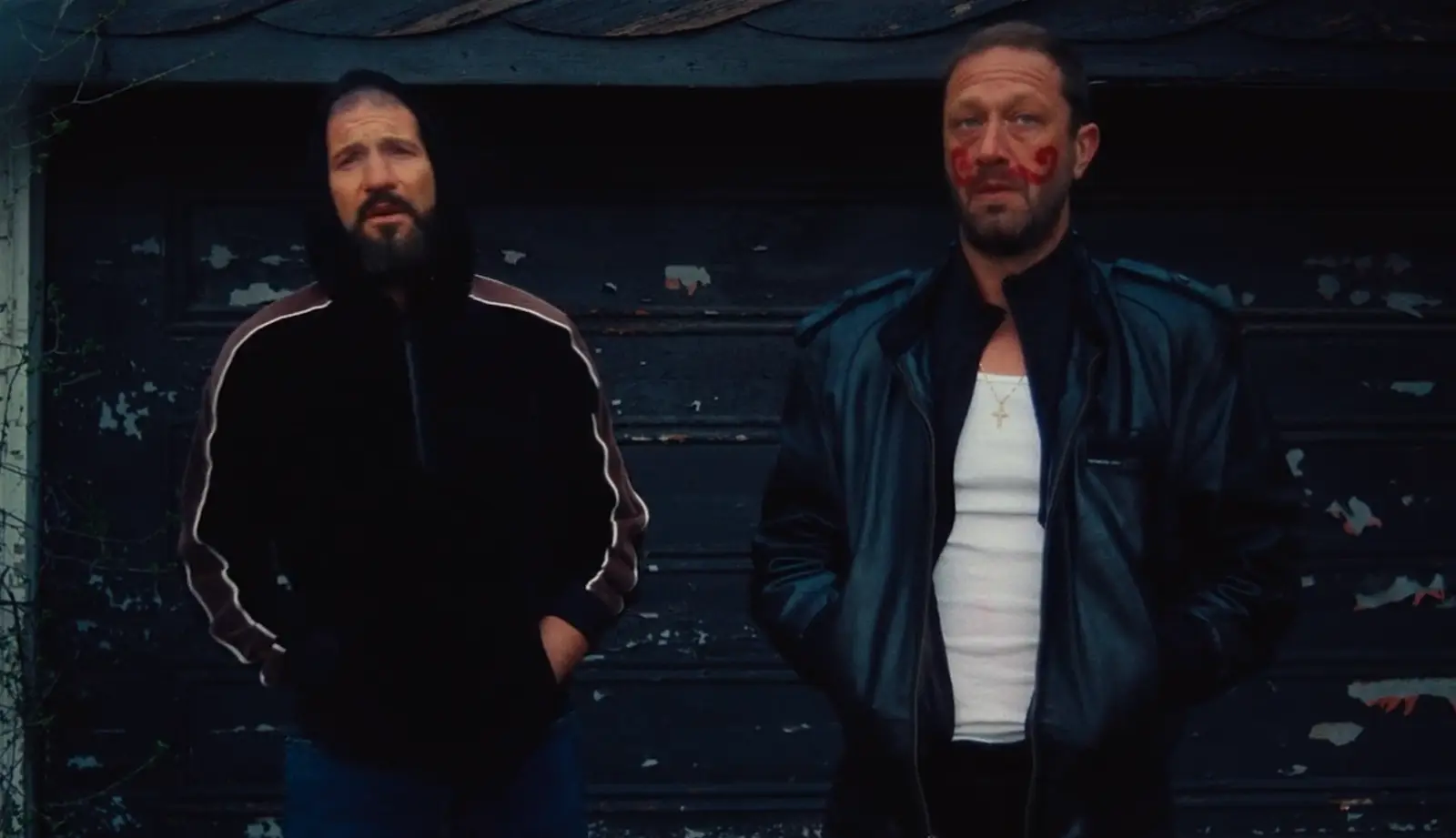
On a literal level, the burning fields reflect a real practice common in the Gary area. According to local parks department information, controlled or prescribed burns are regularly conducted in the region to manage invasive species, promote native prairie regrowth, and maintain ecological health. These burns clear away dead vegetation, allowing new life to emerge from the ashes. By incorporating this authentic element of the Indiana landscape, the episode grounds its story in a tangible sense of place. Gary is not just a destination; it becomes a character itself—one marked by cycles of destruction and potential renewal. This documentary-style realism aligns with The Bear’s signature blend of raw emotion and environmental authenticity.

Yet the true power of these shots lies in their metaphorical resonance. The flames serve as a haunting visual parallel to Mikey’s internal turmoil. Throughout the episode, viewers witness Mikey’s mood swings, self-destructive tendencies, and moments of charisma masking deeper despair. The burning fields externalize this inner chaos: a mind consumed by fire, where old patterns are being scorched away, yet nothing healthy has yet taken root. The repeated imagery foreshadows Mikey’s tragic trajectory—his eventual suicide, already known to longtime fans—suggesting a man whose personal “controlled burn” has spiraled beyond management. The fire is not cleansing; it is consuming.

Equally significant is what the burning fields imply about relationships. The flickering flames dotted throughout the episode act as quiet foreshadowing of the “burning” and eventual destruction of the once-tight bond between Mikey and Richie. Their day together is filled with laughter, shared history, and underlying friction that culminates in painful exchanges. Mikey’s cruel jabs at Richie’s future as a father and his own sense of meaninglessness reveal cracks that no amount of nostalgia can repair. Just as the fields are deliberately set ablaze to clear space, the relationship is undergoing a destructive process—necessary perhaps for growth, but devastating in the moment. The visual motif underscores how friendships, like ecosystems, sometimes require painful clearing before regeneration can occur. In this case, however, the renewal never fully arrives for Mikey.
These burning field shots also connect thematically to broader motifs across The Bear. Fire and heat have long symbolized pressure, passion, and destruction in the series—whether in the chaotic kitchen of The Original Beef or in Carmy’s obsessive pursuit of perfection. In “Gary,” the external fire contrasts with the contained, simmering tensions inside the characters. While Richie tries desperately to hold onto the version of Mikey he loves, the fields burn relentlessly in the background, reminding viewers that some declines cannot be reversed. The imagery masterfully heightens the episode’s emotional stakes without relying on dialogue.
Film enthusiasts have praised this technique as a hallmark of sophisticated storytelling. By leaving the shots unexplained, Storer invites interpretation, turning passive viewing into active analysis. Some see the fields as a nod to Mikey’s attempts at self-control—prescribed burns meant to prevent total wildfire—while others interpret them as harbingers of the grief that will consume Richie, Carmy, and the family in later seasons. The ambiguity enriches rewatches, as each cut to the flames gains new weight once the full context of Mikey’s decline is considered.
Beyond symbolism, the burning fields contribute to the episode’s cinematic texture. Shot with a documentary eye, they capture the raw beauty and danger of the Midwest landscape, mirroring the unpredictable nature of human relationships. The orange glow against the sky provides striking visual contrast to the muted tones of the bar scenes, creating a rhythmic visual language that mirrors the characters’ emotional highs and lows. This attention to environmental detail elevates “Gary” from a simple character study to a visually poetic exploration of memory, loss, and the places that shape us.
In the larger arc of The Bear, “Gary” reframes how audiences understand Richie’s anger and loyalty in earlier seasons. The burning fields subtly prepare viewers for the emotional weight Richie carries—grieving a friend who was dying long before his physical death. The motif reinforces the show’s central thesis: life, like a controlled burn, involves necessary destruction to make room for survival and growth. For Mikey, the fire ultimately overwhelms. For Richie, it becomes part of the scar tissue that defines his resilience.
Overall, the repeated burning field shots stand as one of the most elegant Easter eggs in recent television. They blend regional realism with profound psychological insight, enriching an already powerful episode. As fans dissect “Gary” ahead of the final season, these flames continue to illuminate hidden layers of Mikey’s turmoil, the fragility of brotherhood, and the quiet poetry of a show that finds meaning in the ashes.