Taylor Sheridan’s Lioness is facing an unexpected backlash from the very women whose military experiences inspired the series. Former members of the real-life Team Lioness have criticized the Paramount+ drama for transforming their history into a fictional spy story that, in their view, bears little resemblance to what they actually did in Iraq. The criticism is especially striking because the women had hoped Sheridan’s series would finally bring greater attention to their contributions and sacrifices.
Ranie Ruthig, one of the original Lionesses, expressed particular frustration with the way the series uses the Team Lioness name. She explained that the real group consisted of female soldiers who participated in offensive ground combat operations alongside male troops, rather than serving as the glamorous CIA operatives portrayed on television. According to Ruthig, the real women worked as mechanics, engineers and combat medics while taking on dangerous assignments that included searching women and gathering intelligence.
The real Team Lioness was formed during the Iraq War after American forces recognized the difficulty of searching and interacting with Muslim women. Female soldiers were therefore sent out with male patrols, placing them directly in situations that could involve combat and significant danger. Their duties ranged from interacting with local communities and distributing supplies to searching women and collecting intelligence, making their actual experiences considerably broader than the fictionalized missions depicted in Sheridan’s series.
For Ruthig, the biggest problem is that Lioness appears to take the identity of these women while telling an entirely different story. She acknowledged that she enjoys Sheridan’s other work, but argued that he essentially took the history of Team Lioness and reshaped it into something that no longer represents what the women actually accomplished. Her frustration is not simply about fictionalization—it is about watching a significant chapter of military history become disconnected from the people who lived it.
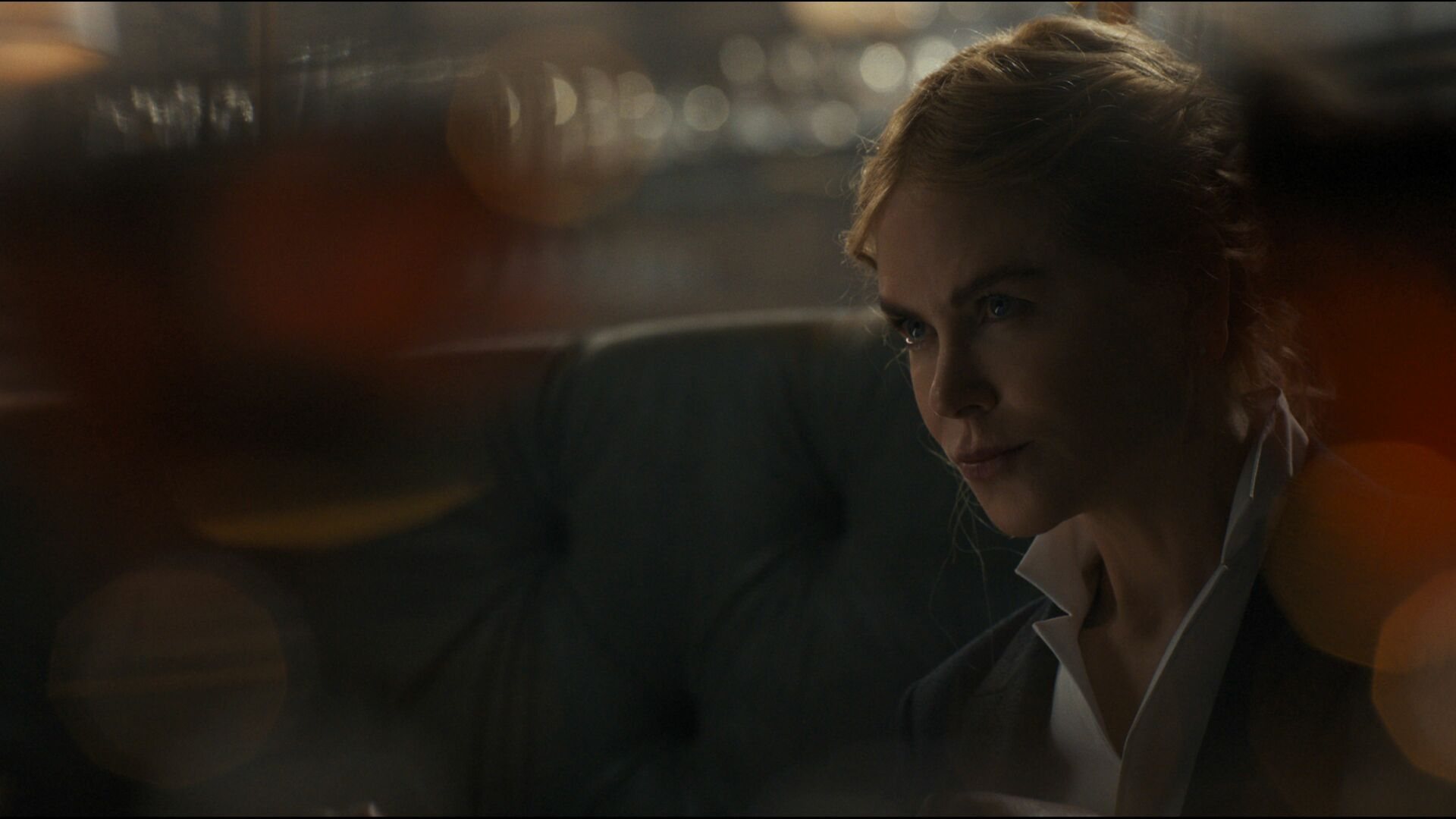
Michelle Dallocchio, another former member who served with Team Lioness from 2004 to 2005, went even further in her criticism. She described the series as a sanitized version of a complicated history, arguing that the real women and the hardships they endured have been pushed aside in favor of a more commercially accessible television narrative. Her comments suggest that the issue is not whether Hollywood should dramatize history, but whether it should do so while erasing the people whose experiences provided the foundation for the story.
That distinction is particularly important because the real Lionesses faced consequences that the television series does not fully represent. The original women dealt with the psychological effects of their wartime experiences after returning home, including PTSD and the challenges of adjusting to life after combat. A 2008 documentary titled Lioness, directed by Daria Sommers and Meg McLagan, explored those real experiences and offered a much more direct account of what the women endured.
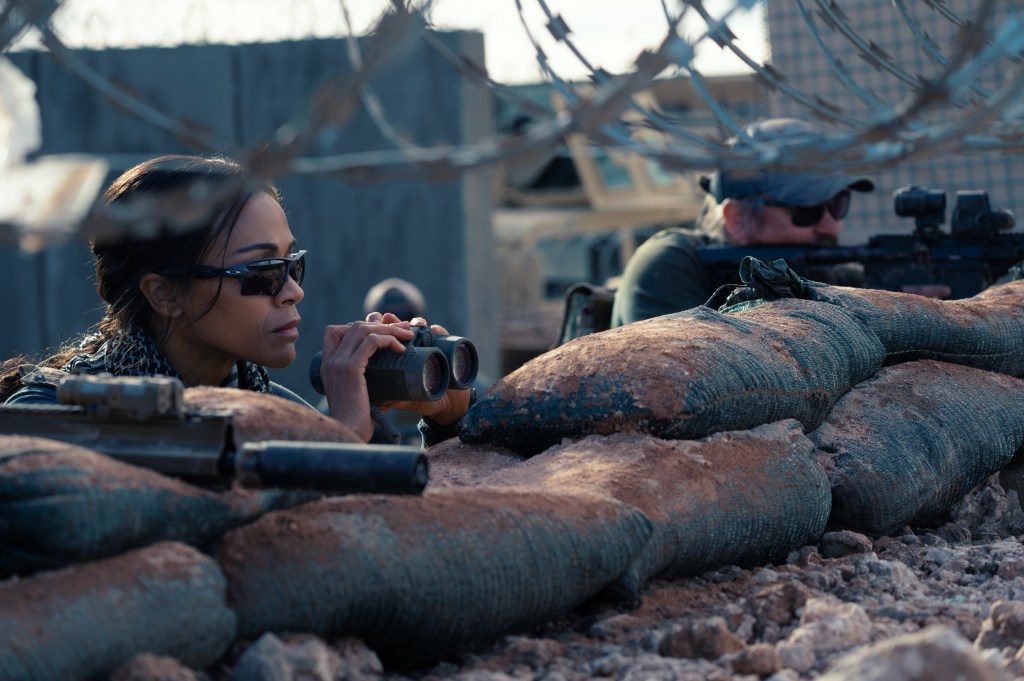
The controversy comes at a particularly significant moment for Sheridan’s television empire. Lioness has now reached its third season and continues to attract a substantial audience, with more than 7 million viewers reportedly watching the Season 3 premiere episodes. The series has also become one of the major pieces of Sheridan’s expanding television universe, alongside Yellowstone, Landman, 1923, Mayor of Kingstown and other projects.
Ironically, the criticism arrives while Sheridan is also receiving strong praise from members of the current Lioness cast. Michael Kelly recently described Sheridan as a uniquely talented storyteller, while Ian Bohen praised the demanding production process behind Season 3. Those comments highlight the complicated divide surrounding the show: the actors working within Sheridan’s fictional universe may admire his storytelling, while some of the real women whose history inspired that universe believe their story has been fundamentally misunderstood.
There is also an important distinction between historical inspiration and historical accuracy. Lioness has never been presented as a documentary or literal retelling of Team Lioness, and the series uses fictional characters, missions and organizations to create its espionage storyline. However, once a fictional production adopts the name and basic concept of a real military group, the expectations surrounding representation become much more complicated—especially when the real participants feel their achievements have been overshadowed by Hollywood’s version of events.
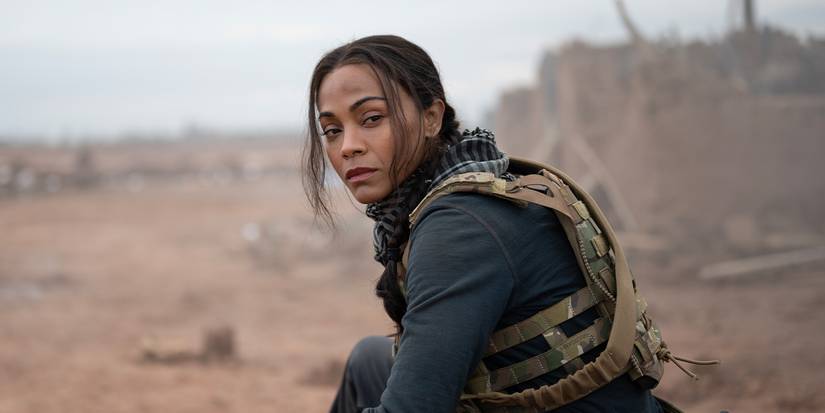
The backlash also raises broader questions about how Hollywood portrays women in wartime. The real Lionesses were not created to become glamorous action heroes; they were service members who found themselves performing dangerous duties because military circumstances demanded their participation. Turning that history into a high-stakes CIA thriller may make for compelling television, but critics argue that it risks replacing an important story about ordinary women who served in extraordinary circumstances with a fictional narrative that is easier to sell.
At the same time, Lioness continues to receive attention for its intense action, complicated female characters and large-scale military sequences. Season 3 reportedly features an extensive battle sequence set in a fictionalized Ukrainian war zone, while Zoe Saldaña and Nicole Kidman remain central to the show’s high-profile cast. The production’s ambition clearly remains one of its biggest attractions, even as questions about the historical inspiration behind the series continue to follow it.
Ultimately, the controversy surrounding Lioness is about more than whether Taylor Sheridan took creative liberties. The real Lionesses are arguing that their history has been transformed into something almost unrecognizable, while Sheridan’s supporters continue to praise the fictional series for its action and storytelling—and with the women who actually served now publicly calling out the gap between their sacrifices and Hollywood’s version, the backlash could force viewers to reconsider what Lioness is really representing when it borrows the name of a very real and complicated chapter of military history.