The entertainment world is no stranger to high-stakes drama, but the latest twist in Kim Soo Hyun’s legal saga feels like a plot point straight out of one of his own blockbuster scripts. What started as a barrage of massive lawsuits from advertisers — fueled by explosive accusations tied to the tragic passing of actress Kim Sae Ron — is showing serious cracks. One major brand has dramatically scaled back its demands, and the court itself is nudging everyone toward a quieter resolution. This shift isn’t just paperwork shuffling; it hints at a deeper unraveling of the narrative that once threatened to derail the actor’s career entirely.
Back in 2025, several companies that had locked in Kim Soo Hyun as their face for campaigns decided to hit pause and head to court. They claimed the swirling allegations — particularly rumors of an inappropriate relationship with Kim Sae Ron during her younger years — had tanked their brand images and cost them big time. One standout case came from Eider, an outdoor apparel label that had signed the star for a modeling gig. They initially went after him and his agency, Gold Medalist, for a eye-watering 2.5 billion KRW (roughly $1.65 million USD) in damages, arguing the controversy left their reputation bruised and sales potentially stalled.
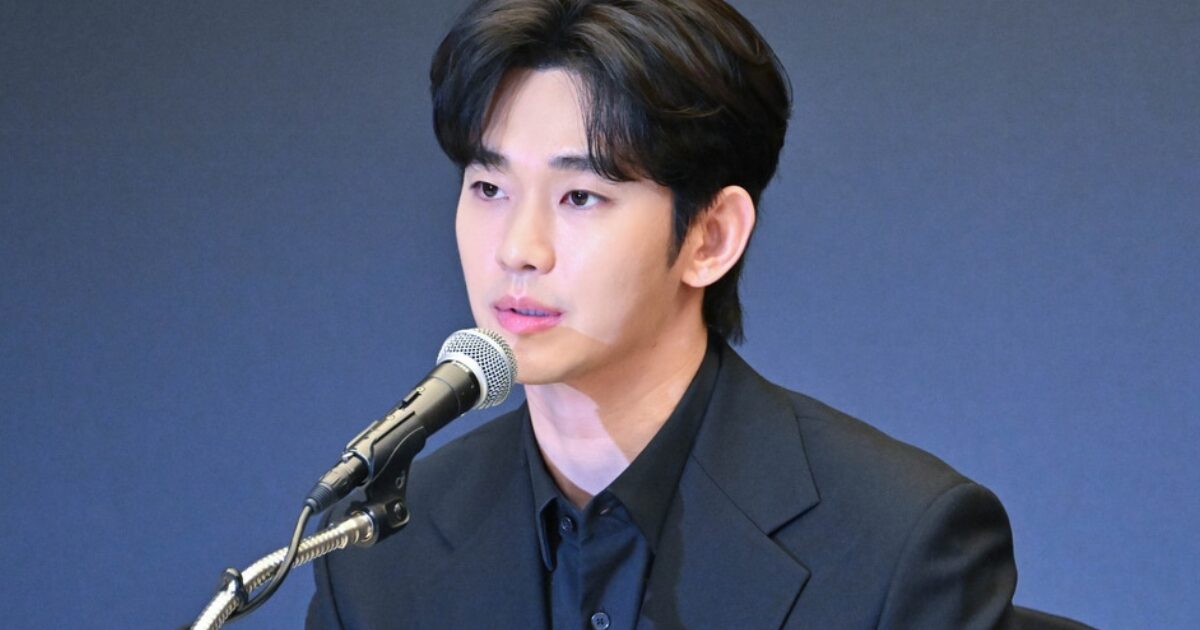
Fast forward to the second hearing on July 8 at Seoul Central District Court’s Civil Division 45, and the vibe completely flipped. Eider pulled back their bold reputation-damage claim and dialed the ask down to about 400 million KRW — basically just the leftover modeling fees from the original contract. No more grand accusations about destroyed public trust; instead, it’s a more straightforward contract dispute. The move screams strategic retreat. Brands that rushed into litigation amid the media frenzy are now recalibrating, probably realizing that proving real, lasting harm in a volatile K-entertainment landscape is tougher than it looked on paper.
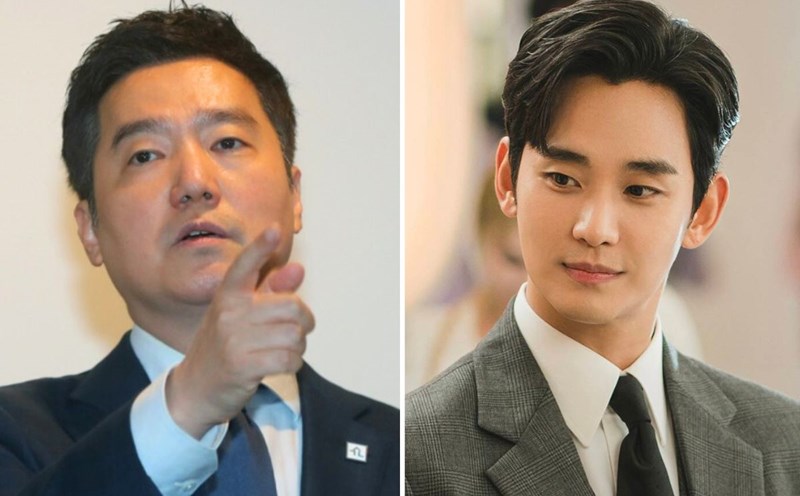
What makes this moment even spicier is the court’s reaction. Judges didn’t just rubber-stamp the adjustment — they straight-up questioned whether the revised claim would even hold water legally. They floated the idea that Eider should consider dropping the suit altogether, sticking to the original agreement, and letting both sides cover their own legal costs. That kind of judicial pushback is rare and telling. It suggests the evidence tying Kim Soo Hyun directly to measurable brand damage might be shaky at best, especially now that the key figure behind the initial allegations, YouTuber Kim Se Ui, has been arrested. His detention for allegedly spreading false claims and fabricating elements of the story changes the entire atmosphere. What once felt like an unstoppable wave of backlash is starting to look more like smoke and mirrors.

Digging deeper, this development exposes how quickly public outrage and corporate risk-aversion can snowball in the age of viral scandals. Kim Sae Ron’s untimely death added an emotional, almost taboo layer to the accusations, making it easy for advertisers to panic and distance themselves. But emotions don’t always translate into ironclad lawsuits. The original claims leaned heavily on association and perception rather than concrete proof of misconduct on Kim Soo Hyun’s part. With Kim Se Ui now in custody, the foundation of those rumors feels increasingly unstable. Brands are quietly reassessing whether doubling down could backfire, leaving them exposed if the narrative collapses further.
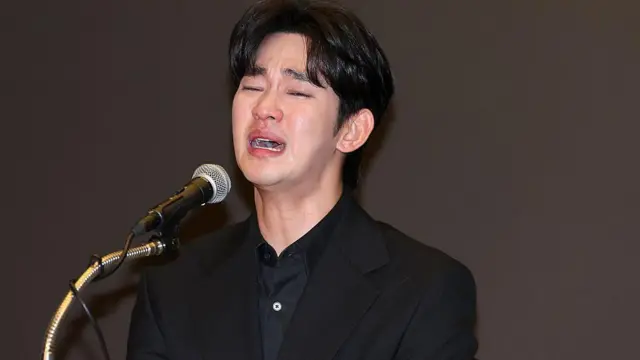
For Kim Soo Hyun, this represents a much-needed breather in what has been an exhausting legal marathon. He’s still staring down a pile of similar suits totaling around 10 billion KRW from various partners. Yet Eider’s pivot marks the first notable pullback since the YouTuber’s arrest, potentially setting a precedent. Other companies might watch closely and wonder if it’s worth pursuing aggressive damages or if a softer exit makes more sense. It also underscores the power imbalance in celebrity endorsement deals: stars bring massive visibility, but one controversy can trigger swift contract terminations and financial clawbacks. The actor’s team has maintained a firm stance throughout, and this hearing could embolden them to push for dismissals or settlements across the board.
On a broader level, the situation reflects bigger tensions in the Korean entertainment industry. Talent agencies like Gold Medalist juggle image protection with financial survival, while advertisers navigate the razor’s edge between trend-chasing and scandal avoidance. In a hyper-connected world where one YouTube video or social media thread can ignite a firestorm, the speed of cancellation often outpaces due process. But when the dust settles and key accusers face accountability, the pendulum swings back. Careers that seemed permanently sidelined suddenly show signs of life again.
This isn’t just about one hearing or one brand changing tactics. It signals a potential turning point in how these post-scandal reckonings play out. Kim Soo Hyun, long admired for his versatile roles and quiet intensity on screen, now finds himself in a real-life drama testing resilience, strategy, and timing. If more suits follow Eider’s lead or soften their positions, it could clear the runway for a comeback — not with fanfare and denial, but through steady legal wins and the slow rebuilding of professional trust.
The industry will keep watching. Fans are divided between loyalty and lingering questions, while executives calculate risks for future projects. One thing feels clear: the drastic turn in this 2.5 billion KRW case isn’t random. It’s the result of shifting evidence, legal realism, and perhaps a collective realization that rushing to judgment in the spotlight can create more problems than it solves. As the remaining cases unfold, the focus will likely move from explosive claims to nuanced resolutions — a reminder that in K-drama real life, the plot twists keep coming, but not always in the direction everyone expects.