SEVENTEEN member Dino, also known as Lee Chan, is preparing for his highly anticipated solo debut, but the project has triggered a wave of controversy even before its official release. On August 3, 2026, the idol is scheduled to drop his first mini-album titled Gilboard under the name Pi Cheolin, his well-known comedic alter ego. This decision by Pledis Entertainment has divided fans, with many expressing disappointment that the release will not showcase Dino’s real identity as a versatile performer, singer, and dancer.
Pi Cheolin first appeared in SEVENTEEN’s self-produced variety content as a fictional middle-aged character. Portrayed as the energetic CEO of an imaginary agency called BOMG, the persona features a strong trot music influence and humorous mannerisms. Dino has embraced the role on several occasions, including a memorable year-end award show performance where he joined BSS for their track “Fighting.” While the character initially brought laughter and light-hearted entertainment to fans, its prominent use in his solo project has sparked significant frustration within the fandom, known as CARATs.
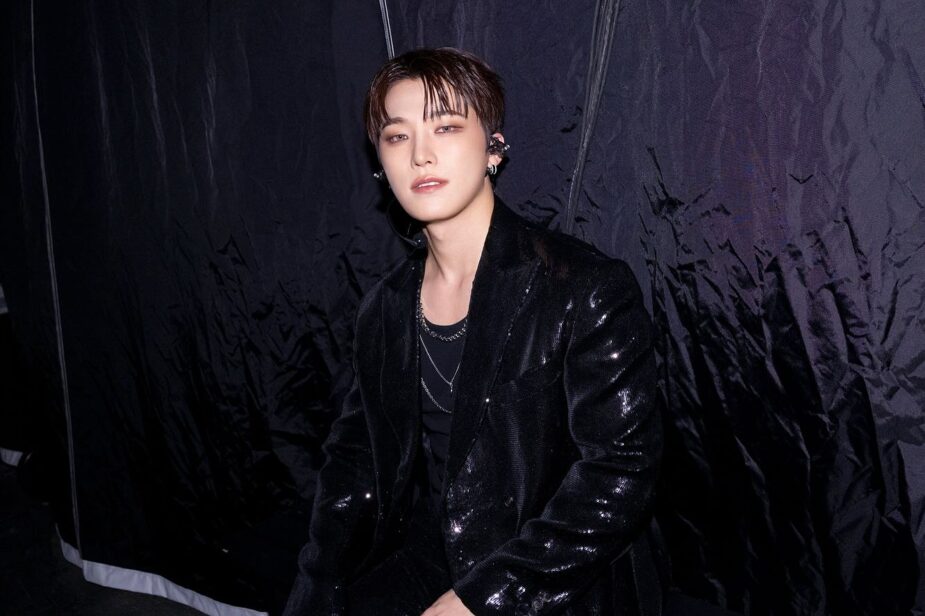
The backlash gained momentum after details about the album surfaced on Korean online communities. According to reports, the mini-album will lean heavily into a trot-inspired sound, with music video scenes filmed at a traditional colatec-style dance venue popular in older Korean culture. Many fans feel this concept strays too far from what they hoped would be a serious showcase of Dino’s artistic growth. As one of the younger members in a large 13-person group, Dino has waited years for a solo opportunity, especially with the group’s upcoming military service period approaching. Supporters argue this should have been a chance for him to highlight his strengths in performance, vocals, choreography, and songwriting rather than revisiting a comedic character.

A viral post on the Korean forum theqoo captured the prevailing sentiment among dissatisfied fans. It explained that while Pi Cheolin started as harmless fun, repeated exposure over the years has made some feel the character overshadows Dino’s genuine persona. They worry that tying his debut so closely to this alter ego limits his potential to establish himself as a mature solo artist. This frustration led to organized actions, including a fan-funded truck protest campaign directed at the company. The initiative reportedly exceeded its funding goal by over 800 percent, signaling strong emotions among certain segments of the fandom. Some fan accounts even deactivated amid the heated discussions.

Media outlets have also weighed in on the debate. A TenAsia article pointed out that Dino has steadily built his musical capabilities through years of live performances and creative contributions. While using a fun character for side projects might be acceptable, centering his first major solo release around it raises valid questions about artistic direction and fan expectations. The timing feels particularly sensitive because solo debuts are rare in large groups like SEVENTEEN, making this moment especially meaningful for many supporters.

However, opinions remain sharply divided. Not all fans oppose the concept. Some view Pi Cheolin as a playful extension of Dino’s creativity and argue that he should have the freedom to explore different sides of himself. They note that the idol appeared genuinely excited when discussing the project on recent broadcasts, suggesting the idea may have come from him personally rather than being imposed by the company. At this stage in his career, with over a decade of experience, Dino likely has considerable input in his creative choices. Dismissing the project outright without hearing the music could be premature, they claim.
International fans have shown more mixed or supportive reactions compared to some Korean communities. Many appreciate the humorous concept and look forward to seeing Dino have fun with a light-hearted release before potential military enlistment. Comparisons have been drawn to other successful idol projects that blended comedy or traditional elements with modern pop. Critics of the backlash argue that sending protest trucks crosses the line from constructive feedback into pressuring an artist’s vision. They emphasize that Dino has worked hard on this album, and negative campaigns could hurt him emotionally during what should be an exciting time.
This situation highlights broader challenges in the K-pop industry. Idols often face intense scrutiny when stepping outside expected boundaries, even after years of proven dedication. SEVENTEEN has built its reputation on self-production and member-driven concepts, which has generally earned praise. Yet, when individual projects diverge from fan fantasies, the response can turn harsh. The debate also touches on the balance between artistic freedom and commercial expectations, especially for a senior group preparing for changes due to military service.
Dino himself has not issued a direct public statement addressing the controversy as of late May 2026. Some fans hope he will speak openly to clarify his intentions, helping the community navigate these mixed feelings. Others believe the best approach is to wait for the actual release and judge the work on its merits rather than preconceived notions.
Ultimately, the strong reactions reflect deep investment in Dino’s career. Whether the Pi Cheolin concept will resonate or face further challenges remains to be seen upon release. For now, the episode serves as a reminder of the complex relationship between idols, their companies, and dedicated fans who want the best possible outcomes for their favorites. As August 3 approaches, many are keeping an open mind, hoping the mini-album brings Dino joy and success regardless of the surrounding noise.