The 62nd Baeksang Arts Awards, held on May 8, 2026, in Seoul, delivered memorable moments of celebration alongside unexpected drama. While the prestigious ceremony honored outstanding achievements in film and television, one particular category has continued to generate heated discussions online. Actress Shin Se Kyung’s win for Best Supporting Actress in the film division has sparked debates not only about the merits of her performance but also about the reactions from fellow nominees and industry figures.
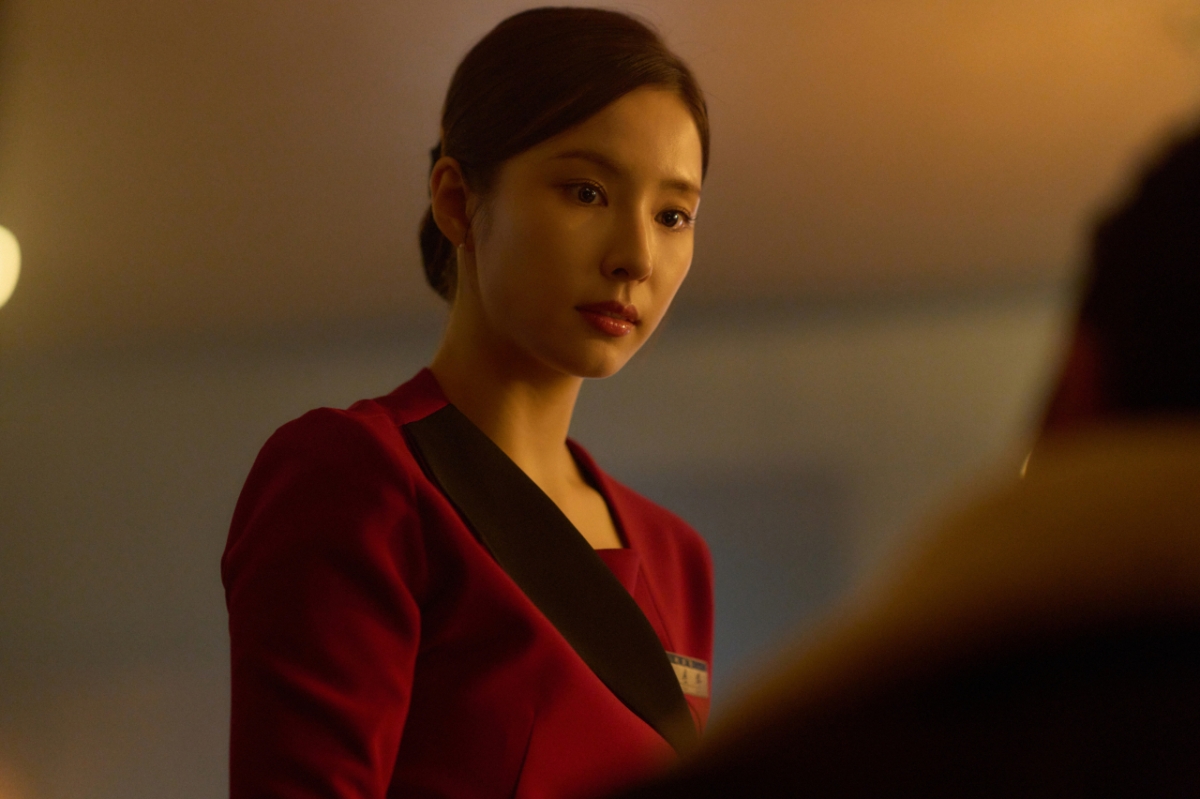
Shin Se Kyung received the award for her role in the film Humint. She competed against a strong lineup of talented actresses, including Shin Hyun Bin for The Ugly, Yeom Hye Ran for No Other Choice, Jang Hye Jin for The World of Love, and Jeon Mi Do for The King’s Warden. Many observers had anticipated a different outcome, with several predicting that veteran performer Yeom Hye Ran might take home the trophy due to her acclaimed work in Park Chan Wook’s latest project. The film Humint itself did not achieve massive commercial success, which added fuel to questions about whether Shin Se Kyung’s portrayal truly stood out among the nominees.
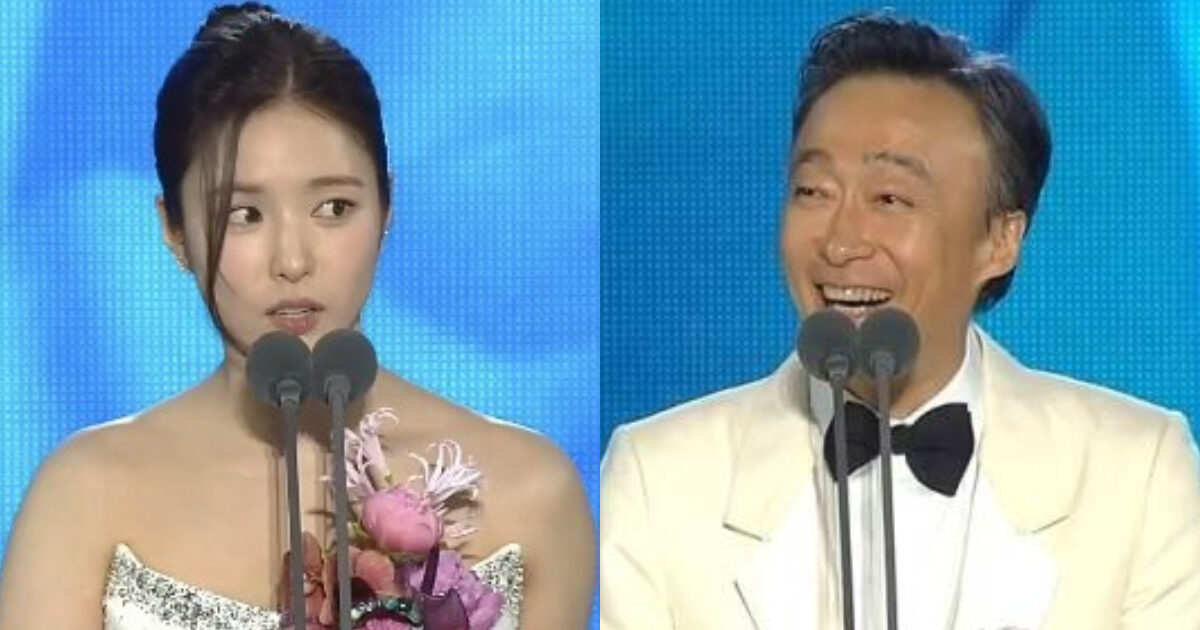
The real escalation occurred during the acceptance speeches and presentations that followed. Lee Sung Min, who won Best Supporting Actor for his performance in No Other Choice, took the stage and openly referenced Yeom Hye Ran’s nomination. He admitted feeling nervous when her category was announced and even joked that he had privately “cursed” upon learning she did not win. His light-hearted yet candid remarks drew attention back to her loss just moments after Shin Se Kyung had been declared the victor.

Later in the evening, Yeom Hye Ran appeared as a presenter and playfully introduced herself as “Yeom Hye Ran, who just lost,” eliciting laughter from the audience. The comments reached a peak when director Park Chan Wook accepted the Best Film award for No Other Choice. While thanking the judges, he remarked that the results reinforced his belief in fair judging. He then added a pointed comment: “Yeom Hye Ran may not agree, but please understand. Shin Se Kyung did well, too.” Although delivered with a smile, these words left many viewers feeling unsettled.
Online reactions have been sharply divided. Numerous netizens criticized the No Other Choice team for what they perceived as unsportsmanlike behavior. Comments described the repeated mentions of Yeom Hye Ran’s loss as awkward at best and subtly disrespectful at worst, suggesting that they placed Shin Se Kyung in an uncomfortable position. Some accused the group of displaying “salty” attitudes or behaving like “snobs” influenced by Park Chan Wook’s renowned status. Others questioned the necessity of bringing up another nominee’s disappointment publicly, arguing it crossed the line from friendly banter into something more pointed.
Critics of the situation pointed out that awards ceremonies should focus on celebration rather than highlighting perceived injustices. They argued that repeatedly drawing attention to one actress’s loss in front of the winner and the entire audience created an unpleasant atmosphere. Discussions also extended to the broader implications for professional etiquette in the Korean entertainment industry, where maintaining harmony and grace under the spotlight remains highly valued.

On the other side, defenders maintained that the remarks were harmless jokes intended to ease tension and show camaraderie within the No Other Choice cast and crew. They emphasized that Park Chan Wook’s comment was likely an attempt to acknowledge both actresses positively while expressing support for his own team. Supporters of Shin Se Kyung stressed that she deserved recognition for her hard work and should not be caught in the middle of external commentary. Many urged netizens not to overanalyze light-hearted moments or turn them into unnecessary conflicts.
This episode highlights the intense scrutiny that accompanies major awards in South Korea. The Baeksang Arts Awards, often compared to the Golden Globes for their prestige, carry significant weight in an actor’s career. Wins can boost visibility and open new opportunities, but controversies like this one demonstrate how quickly public perception can shift. Veteran actresses like Yeom Hye Ran command respect for their consistent excellence over decades, making any perceived snub particularly emotional for fans. At the same time, rising or established talents such as Shin Se Kyung continue to prove their capabilities through diverse roles.
The debate has now branched into two main threads: one questioning the fairness of the judging process and the strength of Shin Se Kyung’s performance relative to her competitors, and another examining whether the on-stage comments were appropriate or crossed professional boundaries. Regardless of individual opinions, the incident has kept Shin Se Kyung’s achievement in the spotlight for reasons beyond the award itself.
In the competitive world of Korean cinema, such moments reveal the human emotions behind polished performances and glamorous events. Artists invest immense effort into their craft, and awards represent validation from peers and experts. Yet, the public nature of these ceremonies, combined with real-time social media commentary, amplifies every word and gesture. What might have been intended as friendly ribbing can easily be interpreted differently by audiences watching from home.
As discussions continue, many hope the focus will return to appreciating the outstanding work produced across the industry this year. Shin Se Kyung’s win marks a notable milestone in her career, while Yeom Hye Ran’s contributions to No Other Choice have already earned widespread praise. Park Chan Wook’s film secured major honors, underscoring its critical success despite the supporting actress outcome. Lee Sung Min’s victory further highlighted the project’s strong ensemble cast.
Ultimately, this Baeksang controversy serves as a reminder of the passion that surrounds Korean entertainment. While debates may linger, they also reflect deep investment from fans who care about fairness, recognition, and respect for talented performers. As the industry moves forward, both established stars and emerging talents will continue to deliver compelling stories on screen, with future awards providing fresh opportunities for celebration unmarred by lingering awkwardness.