The long-running legal battle involving veteran actor Oh Yeong Su, best known internationally for his award-winning role in Netflix’s global phenomenon *Squid Game*, has finally reached its conclusion. In a decision that has sparked intense discussion across K-entertainment circles, South Korea’s Supreme Court upheld the appellate court’s acquittal of the actor on charges of sєхuαl misconduct. The ruling brings closure to a case that began years ago but gained renewed attention due to Oh’s high-profile success following the hit series.
The allegations dated back to 2017, when Oh Yeong Su was accused of forcibly touching a junior female colleague, referred to as Ms. A, on two separate occasions while staying in Daegu for a theater performance. The claims included an unwanted hug on a walking trail in August and a kiss on the cheek in front of her residence in September. Oh consistently denied the charges throughout the legal process, maintaining his innocence.
The case’s journey through the courts was anything but straightforward. In the initial trial, the court found him guilty, sentencing him to eight months in prison (suspended for two years) and ordering 40 hours of sєхuαl violence treatment. Judges at that level described the victim’s statements as consistent and credible, concluding they were unlikely to have been fabricated. Both the prosecution and the defense appealed the verdict, leading to a second trial that dramatically overturned the original decision.
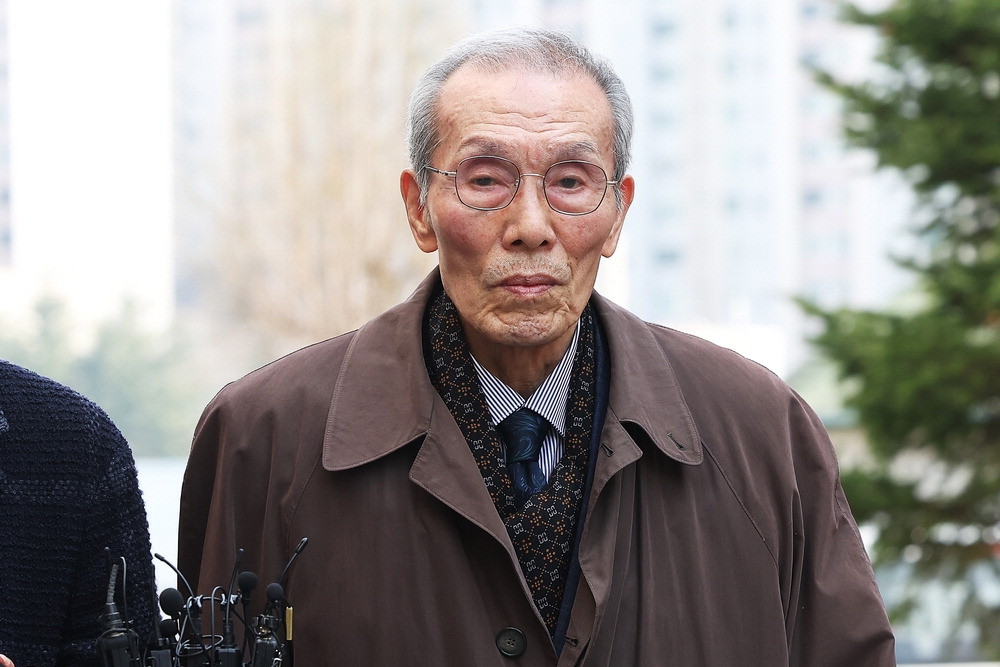
The appellate court acquitted Oh Yeong Su, reasoning that parts of the testimony may have been distorted over time and that any remaining doubt must favor the defendant. This perspective emphasized the high standard of proof required in criminal cases, particularly those involving conflicting accounts without clear physical evidence. The Supreme Court’s recent affirmation of this acquittal marks the end of the legal road, officially clearing Oh of the charges.

For many following the case, the outcome raises complex questions about justice, credibility, and the challenges of adjudicating misconduct allegations in the entertainment industry. Supporters of the #MeToo movement have expressed disappointment, viewing the ruling as part of a broader pattern where powerful figures sometimes evade accountability. Others argue the decision upholds the principle of “innocent until proven guilty” and warns against rushing to judgment based solely on accusations. The divided public reaction reflects deeper societal tensions around gender dynamics, power imbalances, and legal protections in South Korea.
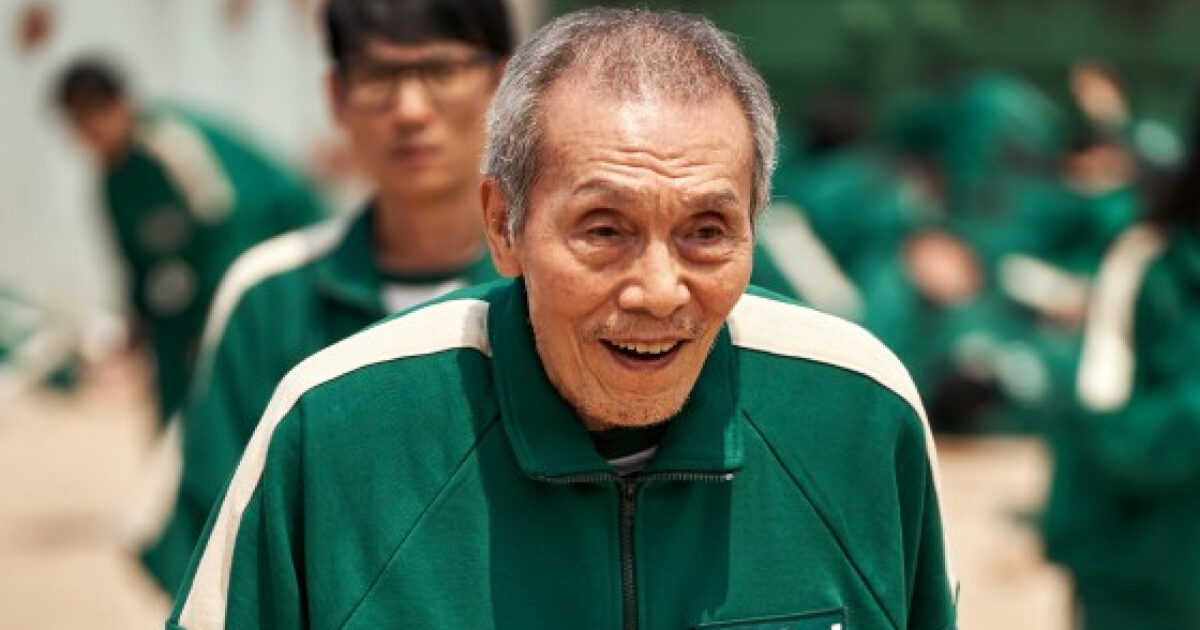
Oh Yeong Su’s career trajectory adds another layer to the story. His portrayal of the elderly Player 001 in *Squid Game* catapulted him to international fame in 2021, earning him a historic Golden Globe win for Best Supporting Actor in 2022. The role showcased his veteran acting prowess and brought him global recognition late in his career. The timing of the allegations, which surfaced around the height of the drama’s success, created a complicated narrative that mixed professional achievement with personal legal troubles. The final acquittal allows him to potentially move forward, though the case will likely remain part of his public legacy.

This verdict comes amid ongoing conversations about workplace safety and ethical standards in the Korean entertainment industry. High-profile cases in recent years have prompted some reforms, including better protections for junior artists and staff, increased awareness training, and greater scrutiny of power dynamics. However, many advocates argue that more systemic changes are still needed to ensure victims feel safe coming forward and that all parties receive fair treatment in legal proceedings.
For fans of *Squid Game* and Oh’s body of work, the news is bittersweet. The series remains a cultural touchstone that introduced many to Korean storytelling on a massive scale, and Oh’s performance was widely praised for its warmth and depth. The legal resolution may allow audiences to separate the art from the artist more clearly, though personal opinions will naturally vary. The case also serves as a reminder that even beloved public figures can become entangled in serious allegations that test public trust.
Looking beyond this specific incident, the Supreme Court decision may influence how future cases are handled. Legal experts note that the emphasis on reasonable doubt and potential memory distortion could set precedents in similar situations. At the same time, it underscores the importance of thorough investigations and supporting evidence when addressing sensitive claims of misconduct.
As the entertainment world continues evolving in the post-#MeToo era, stories like Oh Yeong Su’s highlight the difficult balance between protecting victims, respecting due process, and preserving careers built over decades. The final ruling brings legal certainty but leaves broader societal questions open for continued dialogue. For now, the focus returns to the work itself — the performances, the stories, and the cultural impact that first brought these issues into the spotlight.
The resolution of this case marks the end of a lengthy chapter for Oh Yeong Su and all involved. Whether it leads to greater reflection on industry practices or simply fades into the background remains to be seen. What is clear is that conversations around accountability, fairness, and support for everyone in the creative fields are far from over.