During the soundcheck for BTS’s ARIRANG World Tour stop in El Paso, Texas, on May 2, 2026, an incident involving thrown objects onto the stage quickly became one of the most discussed moments of the entire event. Videos circulating online captured a fan hurling a mini Gojo plushie (a popular character from the anime Jujutsu Kaisen) toward J-Hope and Taehyung (V). Some reports also mentioned a lightstick being thrown in the same area. While the members appeared largely unfazed on the surface, Taehyung promptly tossed the plushie back into the crowd, a gesture many interpreted as a clear expression of disapproval.

This single act triggered an intense debate within the global ARMY fandom. On one side, some fans downplayed the incident, arguing that a soft plush toy posed no real physical danger and was meant as a harmless, affectionate gift. They viewed it as an enthusiastic attempt to connect with the idols during the more relaxed soundcheck atmosphere. Others, however, strongly condemned the behavior as a serious violation of concert etiquette, regardless of the object’s softness. Even a seemingly innocent plushie, they pointed out, can become a hazardous projectile when thrown toward performers moving at high speeds or focused on choreography.
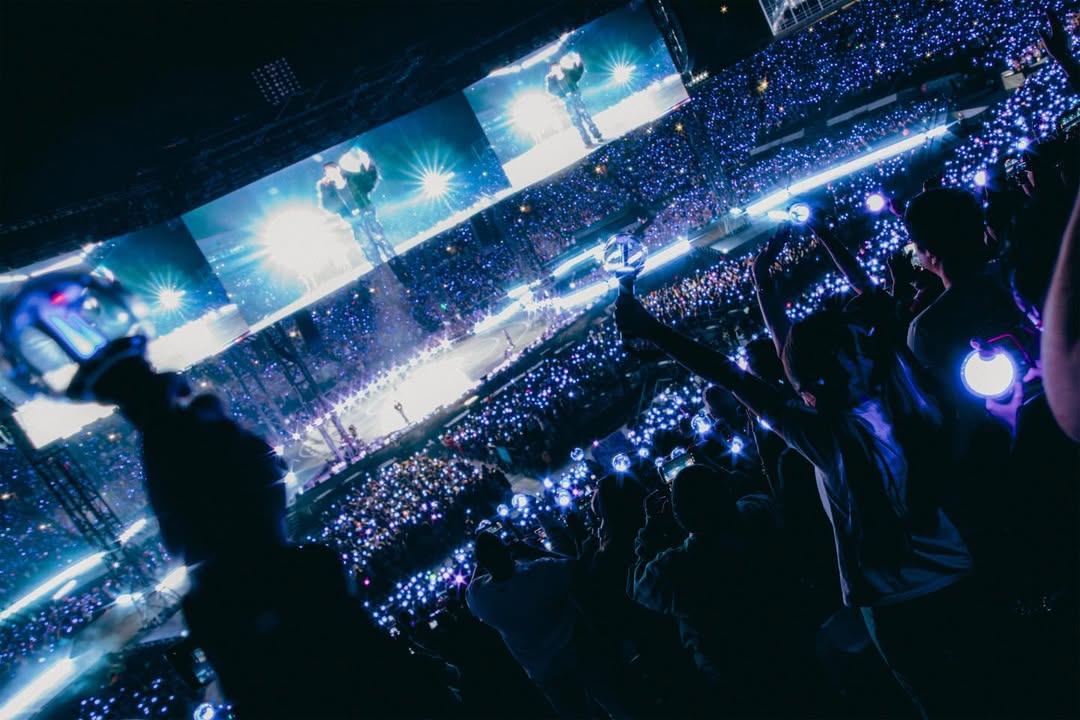
The discussion intensified when rumors of a lightstick also being thrown surfaced. Lightsticks are significantly heavier and more rigid than plush toys, raising legitimate safety concerns. Critics highlighted the potential for serious injury—not only to the members but also to staff and backup dancers—especially during dynamic performances. Stage clutter from thrown items creates trip hazards, distracts performers, and forces security teams into heightened alert mode. In the context of recent security threats faced by Taehyung and the group’s history of requesting fans to refrain from such actions, many saw the incident as particularly tone-deaf.
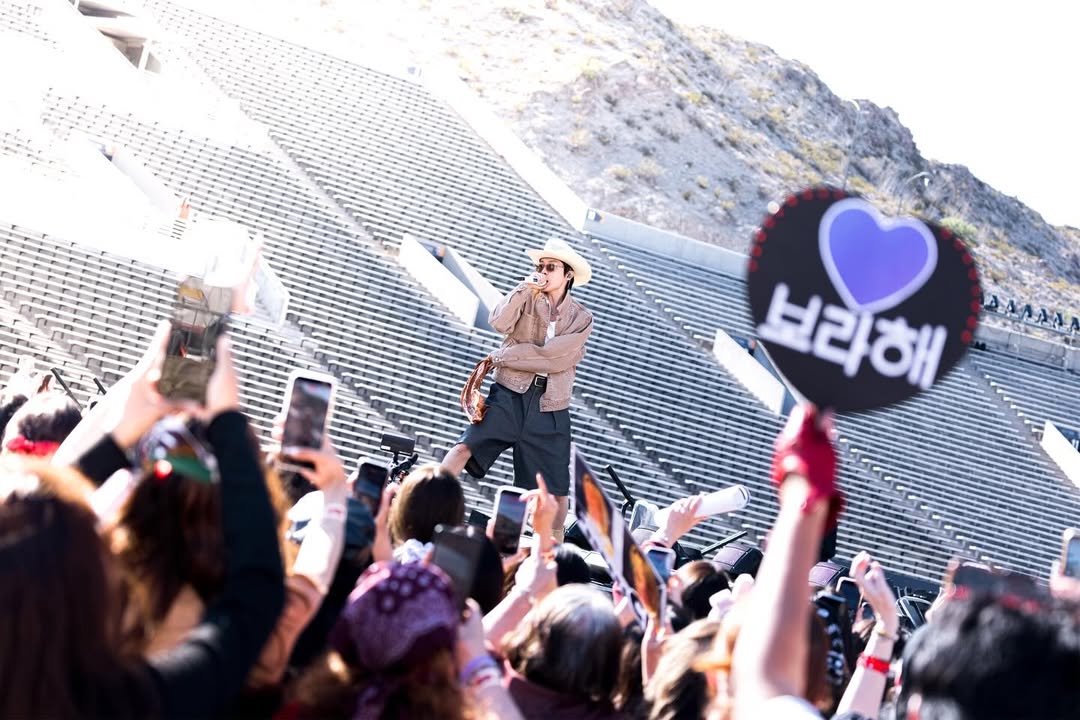
The broader ARMY community responded with overwhelming criticism. Social media filled with messages like “This is not ARMY behavior,” “Real fans respect boundaries,” and “You’re embarrassing the rest of us.” Many longtime supporters expressed frustration that a small group of individuals could tarnish the reputation of the entire fandom, especially after the positive energy of the main concerts. The incident came shortly after reports of fans stalking the members outside their hotel, creating a cumulative sense of disappointment. For a fandom that prides itself on thoughtful, respectful support, these breaches felt like a step backward.

BTS members have repeatedly addressed fan behavior over the years. They have asked ARMY not to throw objects, camp excessively outside private spaces, or engage in actions that compromise safety and privacy. J-Hope, Jungkook, and others have shared personal discomfort with invasive tactics in past lives and interviews. Taehyung’s swift action of throwing the plushie back was widely read as a quiet but firm boundary-setting moment rather than playful engagement. Supporters viewed it as a professional response that prioritized focus and safety over indulging the gesture.
Defenders of the fan who threw the item sometimes framed it as innocent excitement, particularly from newer or international attendees caught up in the thrill of seeing BTS live after years away. However, this perspective received little sympathy in the wider discourse. Concert safety experts and veteran ARMY emphasized that good intentions do not excuse poor judgment. Even soft objects can startle performers, disrupt the flow of soundcheck, or escalate into more dangerous situations if others follow suit. Many called for stronger self-policing within the fandom, urging attendees to call out inappropriate behavior in real time and educate newcomers on basic etiquette.
This El Paso incident is not isolated. Throwing objects at concerts has become a recurring issue across K-pop tours globally, affecting not just BTS but many artists. It raises larger questions about the evolving dynamics between idols and fans in the post-pandemic, post-military service era. As BTS embarks on a major world tour, expectations for mature fandom behavior have risen. ARMY’s strong internal pushback demonstrates a healthy commitment to protecting the artists who have given so much.
In the end, the controversy serves as an important reminder: true appreciation for BTS means listening to their requests and prioritizing their well-being over personal impulses. A plushie or lightstick might seem like a small token of love, but when thrown onto the stage, it transforms into a symbol of disregard for professional boundaries. As the ARIRANG tour continues, the hope among the vast majority of fans is that future shows will be remembered for powerful performances and joyful connections rather than preventable distractions or safety risks. Respect, after all, remains the foundation of the deep bond between BTS and ARMY.