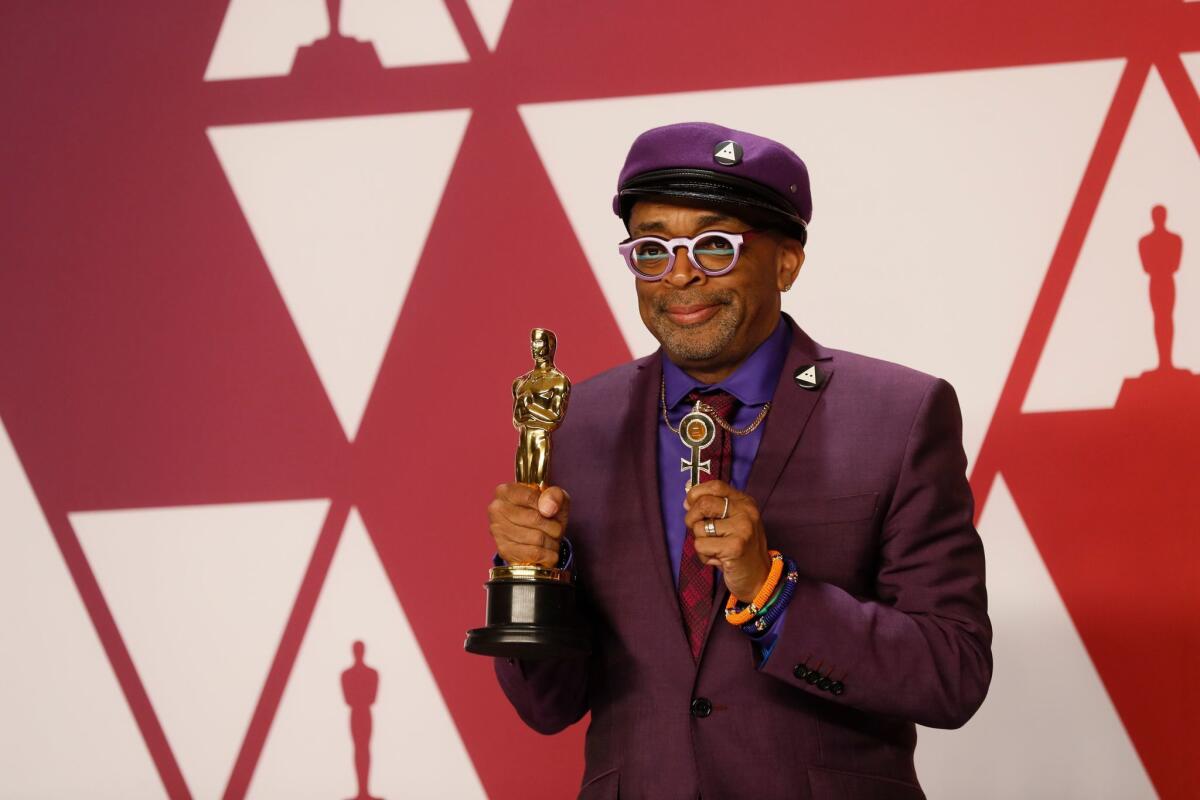
Filmmaker Spike Lee has come to the defense of the Michael Jackson biopic Michael following criticism that the film deliberately excluded the pop icon’s child sexual abuse allegations. In a recent interview with CNN, the Oscar-winning director expressed his strong appreciation for the movie, revealing that he had seen it twice and praising its portrayal of Jackson’s life. Lee emphasized that the allegations did not fit within the film’s timeline, which concludes in 1988, well before the first public accusations surfaced in 1993.

Lee pointed out that critics complaining about the absence of certain elements were overlooking the story’s chronological boundaries. “First of all, if you’re a movie critic, and you’re complaining about the stuff — all this other stuff — but the movie ends at ‘88,” he explained. “The stuff you’re talking about, accusations, happen [later]. So you’re critiquing the film on something that you want in, but it doesn’t work in the timeline of the film. But people showed up. Worldwide, people showed their love.” The director’s comments highlight the challenge of condensing a complex life story into a feature film while staying true to its chosen narrative scope.
The biopic, directed by Antoine Fuqua and produced with involvement from the Michael Jackson estate, focuses on the artist’s early years and rise to fame, culminating with the “Bad” world tour. It stars Jackson’s nephew Jaafar Jackson as the adult Michael and Juliano Krue Valdi as the young Michael. Despite mixed critical reviews, the film has achieved significant commercial success, grossing over $400 million worldwide and becoming one of the highest-earning musical biopics of all time. Audiences have embraced the movie’s celebration of Jackson’s artistry and cultural impact.
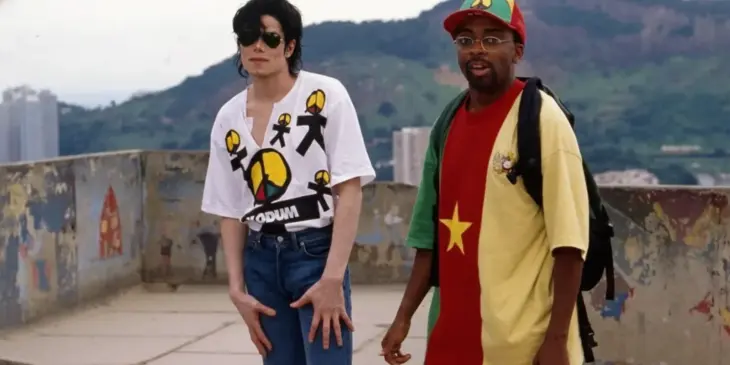
Lee’s defense of Michael carries particular weight given his personal connection to the singer. The director collaborated with Jackson on the music video for “They Don’t Care About Us” and helmed two documentaries about his life: Bad 25 in 2012 and Michael Jackson’s Journey From Motown to Off the Wall in 2016. In the CNN interview, Lee expressed his deep affection for both Jackson and Prince, referring to them as “my brothers” and describing them as “beautiful, beautiful people.” His longstanding relationship with Jackson lends credibility to his perspective on how the icon’s story should be told.

The decision to exclude the abuse allegations was not arbitrary. Reports indicate that the Michael Jackson estate, which backed the film, had to rework the script after realizing a settlement with one accuser prohibited his depiction in any commercial project. This oversight led to 22 additional days of filming and a shift in the movie’s ending, pushing the release from 2025 to 2026. Filmmakers are reportedly considering a sequel to explore later chapters of Jackson’s life.
Critics who have panned the film often cite the omission of the allegations as a significant flaw, arguing that it presents an incomplete or sanitized version of Jackson’s legacy. Lee countered this by stressing the importance of respecting the film’s chosen timeframe. He suggested that expecting the movie to address events outside its scope was unfair. The strong box office performance indicates that many viewers appreciated the focus on Jackson’s musical genius and early career rather than the controversies that defined later years.
The debate surrounding Michael reflects broader conversations about how to portray complex public figures in biographical films. Filmmakers must balance artistic vision, historical accuracy, and commercial considerations. In this case, the estate’s involvement and legal constraints shaped the final product. Lee’s support underscores the film’s value as a celebration of Jackson’s talent and influence, even if it does not delve into every aspect of his life.
As Michael continues its theatrical run, the discussion it has sparked demonstrates the enduring fascination with Jackson’s story. Lee’s comments serve as a reminder that biographical films are interpretations rather than exhaustive documentaries. For many fans, the movie successfully captures the essence of the King of Pop’s early brilliance and cultural significance. Whether a sequel materializes to address later chapters remains to be seen, but for now, Michael stands as a tribute to an artist whose impact continues to resonate worldwide.