BTS has once again found itself at the centre of heated online debate following the members’ recent Instagram activity. The controversy erupted after several members shared content related to Drake’s new album, in which the Canadian rapper included a complimentary reference to the group. While the gesture was intended as a positive shoutout, the decision to acknowledge it publicly has drawn sharp criticism from some fans due to Drake’s ongoing controversies.
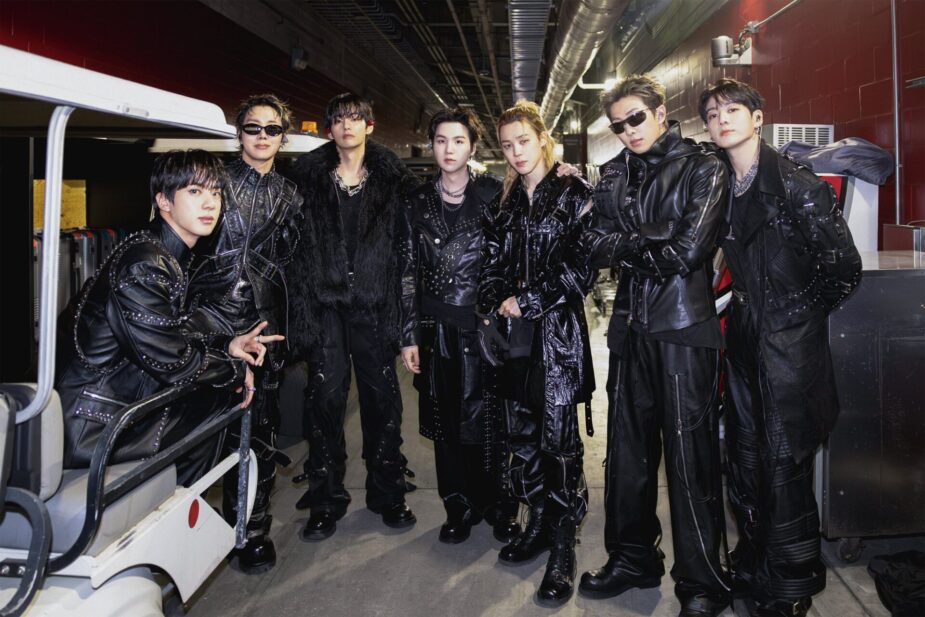
The situation began when Drake released his surprise triple-album project, including the track where he raps about feeling “like BTS” because it took his entire career to achieve such widespread recognition. The line was largely interpreted as respectful recognition of the group’s remarkable global journey. However, given Drake’s history of public feuds and other issues that have polarised audiences, many ARMY members expressed concern that any association could reflect poorly on BTS.
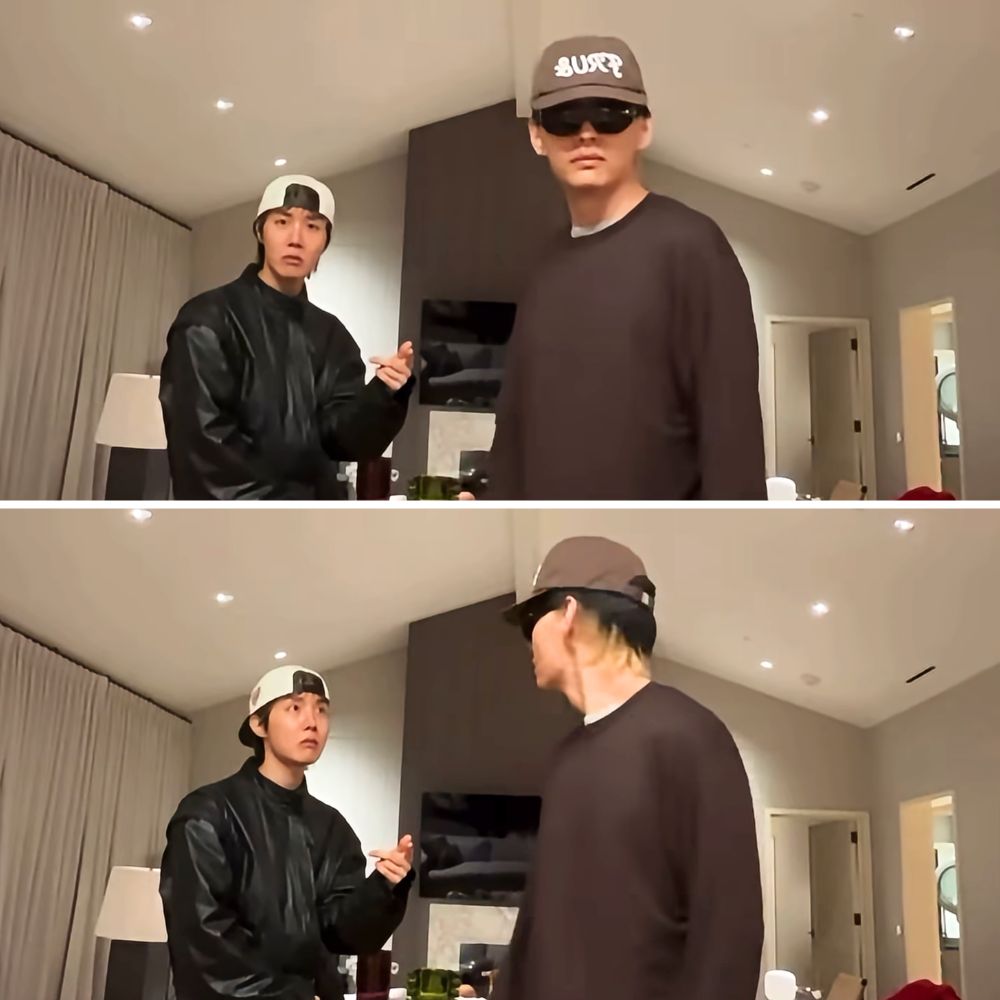
Despite these worries, several members quickly responded on their personal Instagram stories. V and J-Hope were among the first to share a video clip featuring the track, followed shortly by Jimin. RM also posted the song directly to his story. These actions, which appeared to show appreciation for the mention, triggered an immediate wave of disappointment and frustration among certain segments of the fandom.
J-Hope and V of BTS react to Drake referencing the group in the lyrics of his new song “Make Them Cry”:
“I’m feeling like BTS ‘cause it took the whole career for me to be so discovered” pic.twitter.com/R5mqKVJgpL
— Pop Crave (@PopCrave) May 15, 2026
Social media platforms filled with mixed reactions. Some fans expressed sadness and confusion, with comments such as “please tell me I’m not the only one who thinks it’s so weird that they’re supporting Drake.” Others voiced stronger disapproval, suggesting the members might not have fully understood the context or implications of the reference. A few even joked that the members’ Instagram story access should be temporarily restricted to prevent further unintended controversy.
Critics also used the moment to question the members’ English comprehension, with remarks like “They don’t even understand what he’s saying” and “Them acting as if they are understanding anything is taking me out.” These comments, while often light-hearted in tone, carried an undertone of frustration and highlighted ongoing sensitivities around language barriers and public image management.
The backlash reflects the protective nature of the ARMY fandom, which has consistently worked to shield BTS from potential reputational risks. Many supporters had hoped the group would maintain distance from Drake, especially following his high-profile rap battle with Kendrick Lamar and other public disputes. The swift Instagram responses caught some fans off guard, leading to a sense of disappointment among those who expected more caution.

At the same time, a significant portion of the fandom defended the members’ actions. Supporters argued that acknowledging a professional compliment is a normal and polite response in the music industry. They emphasised that artists frequently interact across genres without endorsing every aspect of another musician’s personal life or controversies. For these fans, the Instagram stories simply represented appreciation for recognition from a major figure in hip-hop.
This incident is not the first time BTS has navigated complex cross-genre interactions. The group has previously collaborated with or been acknowledged by various Western artists, often generating both excitement and debate. Their global influence means that any public gesture is scrutinised intensely, particularly on platforms like Instagram where content spreads rapidly.
The situation also highlights the challenges idols face in managing their public image in the digital age. With millions of followers across multiple platforms, even seemingly simple actions can spark extensive discussion and division. BTS has generally maintained a positive and professional approach to their online presence, but moments like this demonstrate how difficult it can be to satisfy every segment of a vast international fanbase.
As the conversation continues, many are reflecting on the broader implications for artist-fan relationships. While loyalty and protection are core values within the ARMY community, there is also recognition that idols should have the freedom to engage with their industry peers. The debate underscores the delicate balance between artistic appreciation and personal values that both fans and artists must navigate.
For BTS, currently enjoying a busy period with group and solo activities, this minor controversy is unlikely to overshadow their overall trajectory. Their music, performances, and positive influence continue to resonate strongly with audiences worldwide. However, the episode serves as a reminder of the heightened scrutiny they face and the careful consideration required when interacting with other high-profile figures.
As reactions settle, the focus will likely return to the group’s upcoming projects and achievements. The incident, while generating temporary backlash, also illustrates the passionate investment fans have in BTS’s image and legacy. Whether viewed as a simple gesture of appreciation or a misstep in public relations, the members’ Instagram stories have once again shown how deeply connected the group remains to global cultural conversations.
In the end, this episode highlights the complexities of fame in today’s interconnected entertainment landscape. BTS’s decision to acknowledge Drake’s mention may not have pleased everyone, but it reflects their ongoing navigation of a world where artistic respect often intersects with personal and fan expectations. As the group continues to evolve, such moments will likely remain part of their journey, shaping both their public narrative and the devoted community that supports them.