Sydney Sweeney has spent years at the center of conversations about sex scenes, nudity, and how Euphoria turned her into one of the most talked-about young actresses on television. But what becomes clear from her repeated comments is that the real tension was never simply about taking her clothes off on camera. It was about what people decided that meant afterward. Again and again, Sweeney has returned to the same sore point: once audiences see a woman naked onscreen, too many of them stop seeing the performance at all.
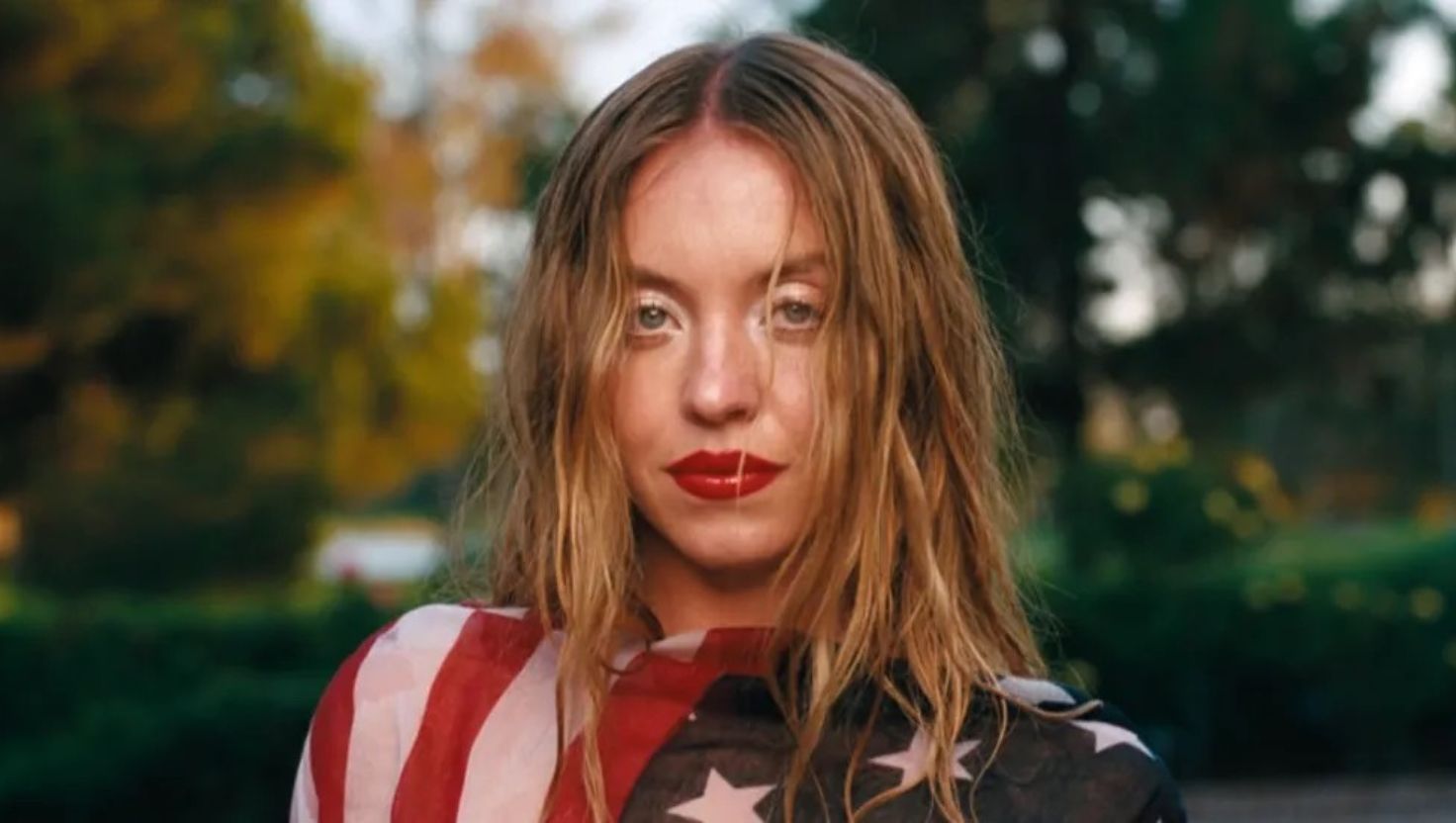
That frustration sits at the heart of the story. After Euphoria premiered in 2019, Sweeney began speaking more openly about the way her work was being received, especially after playing Cassie Howard, a character whose body often becomes part of how she expresses pain, insecurity, and desperation. In a 2022 interview with Cosmopolitan, Sweeney said, “I don’t think as many people took me seriously in Euphoria because I took my shirt off.” She also admitted that when she watched The Voyeurs for the first time, she wondered whether she had “done too much,” and said she even researched other celebrities who had done nude scenes in an attempt to make herself feel better.
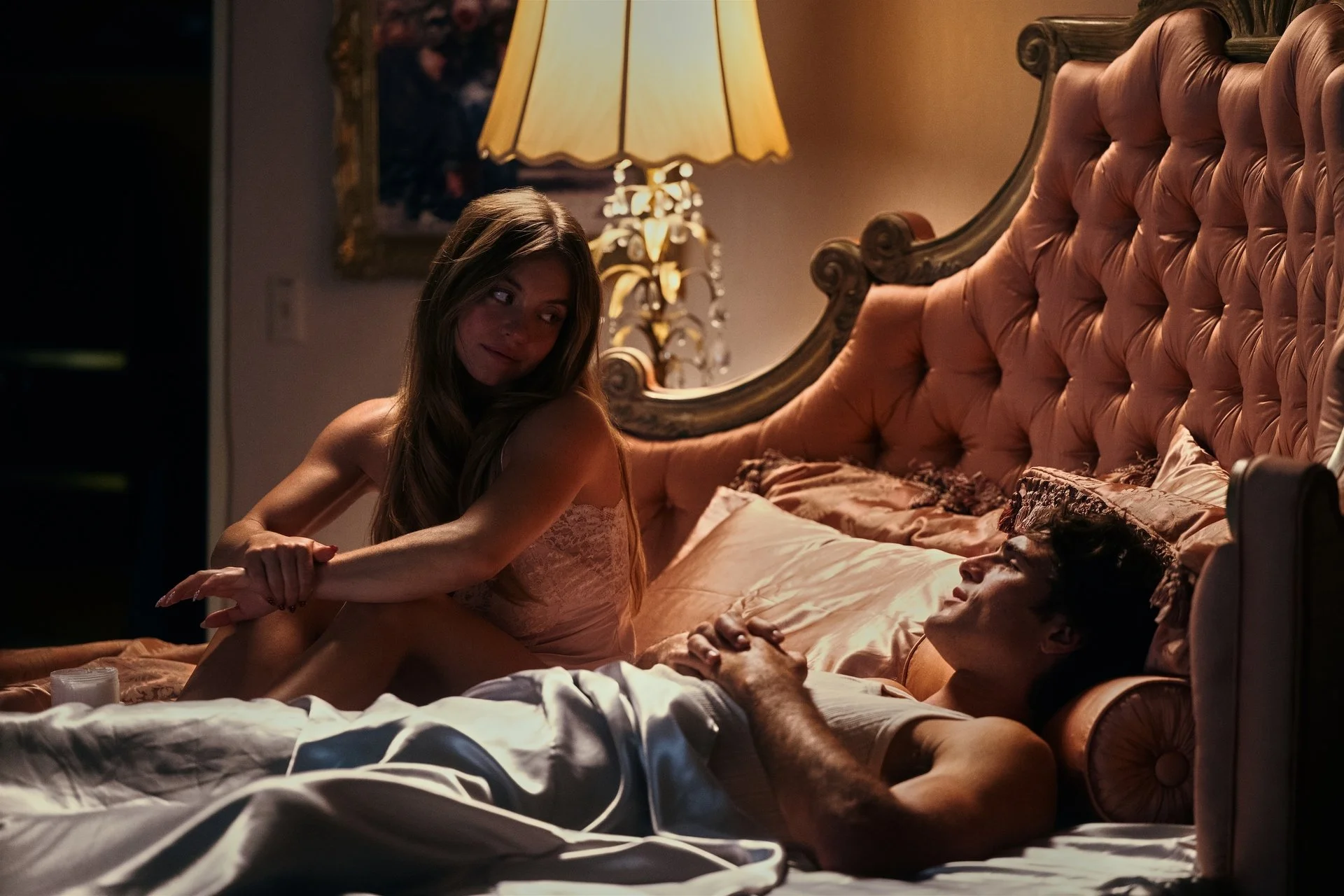
What hurt most, though, was the double standard she saw around her. She pointed out that famous male actors can strip down onscreen, earn praise, and still be celebrated for their craft, while women are often dragged into a much uglier narrative the moment their bodies are exposed. She argued that men are still treated like serious performers, while women are reduced, judged, and degraded, as if nudity automatically cancels out talent. That idea clearly stayed with her, and it feels like one of the deepest wounds beneath all the glossy attention surrounding her rise.
At the same time, Sweeney has never framed herself as someone ashamed of the work. In fact, she has often defended the creative logic behind those scenes. Speaking to Teen Vogue in 2022, she said, “We all get naked in real life. We show this character’s life and what they’re going through. Cassie’s body is a different form of communication for her.” That line is revealing because it shows how she understood the role: not as cheap provocation, but as character language. For her, Cassie’s nudity was part of the storytelling, part of the emotional grammar of someone who often does not know how else to be seen or loved.

Still, Sweeney also made clear that she was not blindly accepting every moment placed in front of her. One of the most telling things in the article is how directly she described pushing back when she felt certain topless scenes were unnecessary. In a 2022 interview with The Independent, she said, “There are moments where Cassie was supposed to be shirtless and I would tell Sam, ‘I don’t really think that’s necessary here.’ [And] he was like, ‘OK, we don’t need it.’ When I didn’t want to do [a nude scene], he didn’t make me.” That quote matters because it cuts against the idea that she was simply being pushed through these moments without agency. It shows negotiation, judgment, and a boundary she felt able to enforce.

Another striking part of her perspective is how much distance she says she creates between herself and the character. She explained to Cosmopolitan that she does not really experience those scenes as Sydney Sweeney getting naked. She experiences them as Cassie doing it. She even said that when people tag her in stills of Cassie’s nude scenes, it feels more like she is looking at someone else’s body, not her own. That emotional separation seems to be part of how she protects herself, especially in a career where images can easily outrun intention.
She also tried to demystify what those scenes actually look like while filming, and the reality sounds nothing like fantasy. Sweeney said those moments are “so technical and not romantic,” describing sets full of people watching, protective pads between actors, nipple covers, and awkward adhesive garments. In other words, the scenes that audiences turn into scandal or desire are, for the actors inside them, often mechanical, clinical, and strangely unglamorous. That contrast is part of why Sweeney seems so irritated by how the public receives them. People project heat and sensationalism onto moments that, on set, can feel more like choreography than intimacy.
The family dimension added another layer of discomfort. In a 2023 interview, she recalled that her mother visited her on set and understood the material, but her father did not get the same preparation. She said he ended up watching Euphoria with his parents, and the outcome was painful and awkward: “My dad and my grandpa turned it off and walked out.” At the same time, she said her grandmother remained a huge supporter and often even travels with her to sets. That split reaction says a lot about how complicated this part of her career has been even inside her own family.
And yet, over time, Sweeney’s comments suggest she grew stronger rather than smaller under all that scrutiny. In a 2025 interview with W Magazine, she said Euphoria gave her confidence and self-awareness, adding, “I think that the female body is a very powerful thing. And I’m telling my character’s story, so I owe it to them to tell it well and to do what needs to be done.” That feels like the clearest summary of where she ultimately landed. Not embarrassed. Not apologetic. Not reckless either. Just someone who became increasingly determined to separate shame from performance.
So the story here is not simply that Sydney Sweeney did nude scenes and talked about them later. It is that she kept trying to explain a much harder truth the public often refused to hear: nudity did not erase the acting, but for many viewers, it was the only thing they remembered. And that may have been the cruelest part of all. She was trying to tell a story through Cassie’s body, while the world kept using that same body to talk over her.