NCT member Yuta has shared alarming details of his experiences with obsessive sasaeng fans, highlighting a particularly invasive incident in which a stalker sent him explicit nude photographs along with a bold message. The revelation, made during a recent appearance on a popular variety show, has drawn renewed attention to the serious issue of fan harassment in the K-pop industry and the emotional toll it takes on idols.
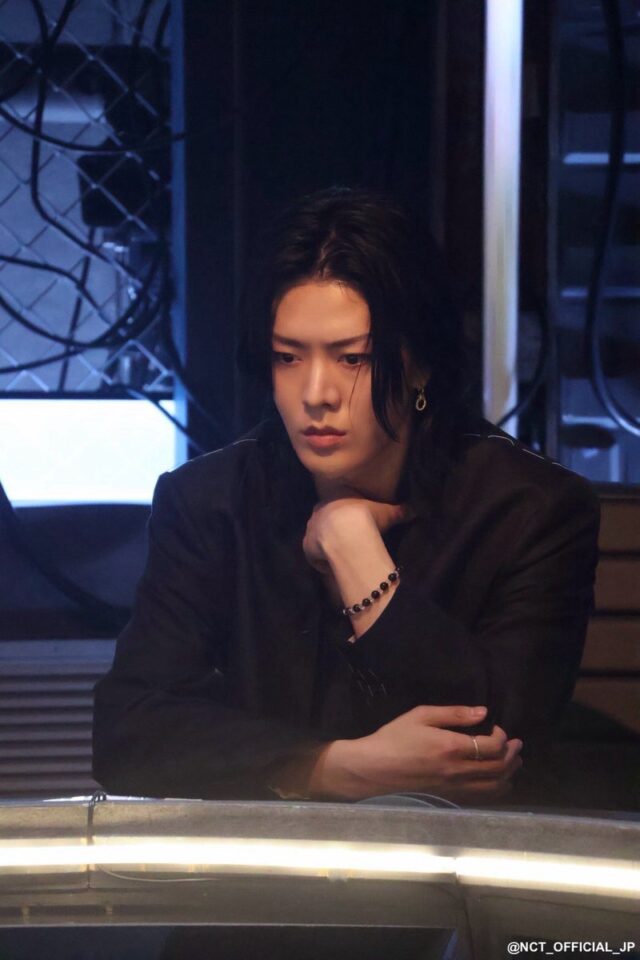
Sasaengs, a term used to describe extreme stalker fans who often disregard personal boundaries, remain a persistent problem for many celebrities. These individuals frequently go to great lengths to obtain private contact information, follow idols, and invade their personal lives. Yuta’s candid discussion on Naokiman Show’s Urban Legend Wide Show Season 3 shed light on how deeply such behaviour can affect even well-established artists.
During the episode, Yuta explained that sasaengs had somehow gained access to his phone number despite multiple changes. In one notable case, a fan messaged him after he switched numbers, questioning why he had done so. This level of persistence already demonstrates the invasive nature of their actions. However, another encounter escalated far beyond simple text messages.
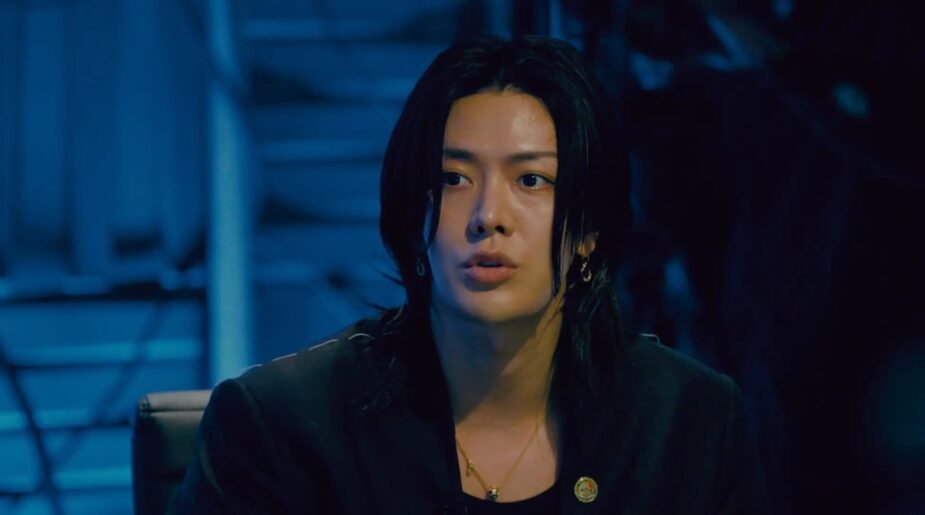
Yuta recounted receiving a fully nude image from a sasaeng accompanied by the explicit message: “I’m ready whenever you are.” The idol described the incident as deeply unsettling, characterising the fan’s attempt to initiate contact as a misguided effort to “shoot her shot.” This type of unsolicited sexual content constitutes clear sexual harassment and highlights the disturbing sense of entitlement some fans feel toward their idols.

The revelation has sparked widespread discussion online, with many netizens expressing concern for Yuta’s wellbeing and condemning the fan’s behaviour. Sexual harassment of this nature is not only inappropriate but can also create a lasting sense of unease for those targeted. Experts note that such incidents contribute to the mental health challenges many idols face, including anxiety, paranoia, and difficulty maintaining normal personal relationships.
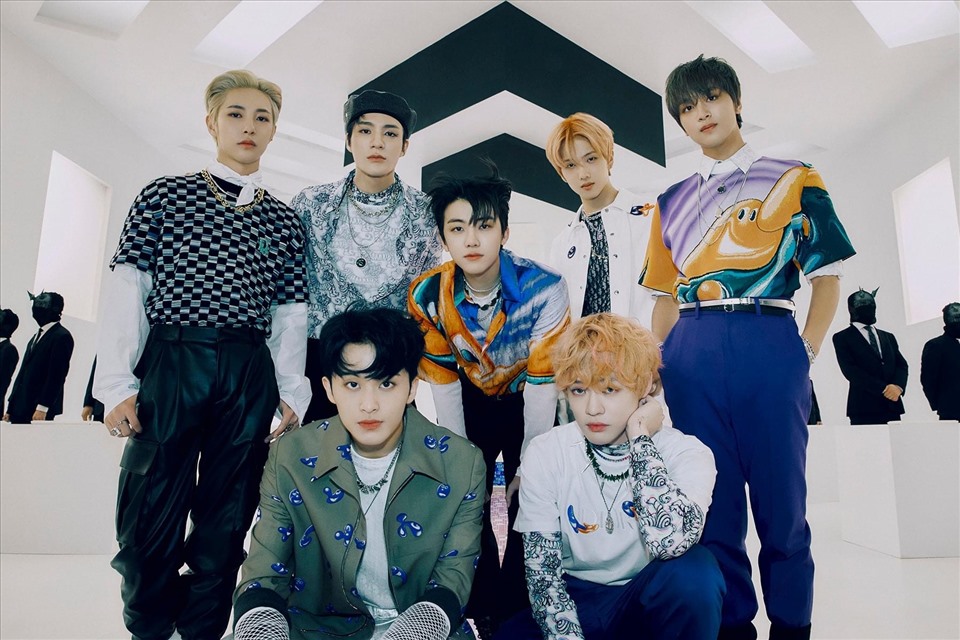
This is not the first time Yuta has addressed sasaeng issues. He and other NCT members have previously spoken about collective strategies for dealing with stalkers, including changing numbers frequently and increasing security measures. Despite these efforts, determined fans often find new ways to make contact, underscoring the need for stronger legal protections and platform accountability when it comes to sharing private information.
The K-pop industry has long struggled with sasaeng culture. From following idols to their homes and hotels to leaking private schedules and personal data, these extreme behaviours have forced many artists to relocate or alter their daily routines. High-profile cases have occasionally led to arrests, but enforcement remains inconsistent, and victims often feel powerless to stop the harassment entirely.
Yuta’s openness about the incident serves as an important reminder of the human cost behind the glamorous image of idol life. While fans provide crucial support and energy for artists, crossing personal boundaries crosses into harmful territory. Many in the K-pop community have used this moment to call for greater respect, urging fellow fans to maintain healthy admiration without invading privacy.
Broader conversations about fan behaviour have intensified in recent years. Companies have implemented stricter security protocols, and some idols have publicly shared their experiences to raise awareness. However, as social media and digital communication evolve, new challenges continue to emerge. The ease with which private numbers can be obtained and misused remains a significant concern.
For Yuta, sharing these stories appears to be part of a larger effort to normalise discussions around mental health and personal safety in the industry. By speaking out, he not only highlights his own challenges but also stands in solidarity with fellow idols who have faced similar situations. His courage in addressing these issues publicly may encourage others to do the same and push for meaningful change.
The incident also raises important questions about consent and digital responsibility. Sending unsolicited explicit images is widely recognised as a form of harassment, yet some individuals in fan communities still view such actions as romantic or bold gestures. This disconnect between fan perception and reality underscores the need for better education around appropriate boundaries.
As NCT continues its successful career with multiple subunits and international activities, moments like this serve as sobering reminders of the pressures that come with fame. Yuta’s experience with the delusional sasaeng fan is unfortunately not unique, but his willingness to discuss it openly contributes to a growing dialogue about creating safer environments for artists.
Fans and industry professionals alike hope that greater awareness will lead to stronger protections and a cultural shift toward more respectful interactions. Until then, stories like Yuta’s continue to highlight the darker side of fandom and the resilience required to navigate life in the spotlight. The idol’s message is clear: admiration should never come at the cost of personal safety and peace of mind.