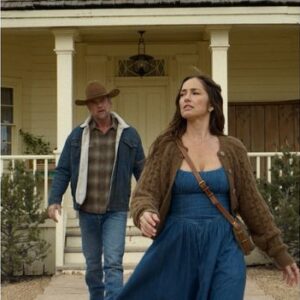
Taylor Sheridan’s latest series, The Madison, which premiered on Paramount+ in March 2026, has ignited fierce debate over its stark contrast between urban and rural life. Starring Michelle Pfeiffer as Stacy Clyburn and Kurt Russell as her husband Preston, the show follows a wealthy Manhattan family as they travel to Montana’s Madison River Valley to process a devastating tragedy—a plane crash that claims Preston’s life. While the narrative centers on grief, family bonds, and healing, much of the backlash has focused on Sheridan’s depiction of New York City as a chaotic, morally bankrupt environment versus an idealized vision of Montana as a redemptive paradise.
From the opening episodes, The Madison wastes little time establishing its cultural dichotomy. In one early scene, Paige, the Clyburns’ daughter, is violently mugged and punched in broad daylight on Fifth Avenue—one of Manhattan’s most iconic and supposedly safest thoroughfares. Critics have lambasted this moment as absurdly exaggerated, arguing it perpetuates a caricature of New York as an unrelenting danger zone where crime runs rampant and authorities remain indifferent. Such portrayals, they claim, ignore the city’s complexities and play into outdated or politically motivated stereotypes.
Beyond physical danger, the series paints New York residents as shallow, entitled, and excessively “woke.” Urban characters are shown obsessing over trivial matters like alternative milks in coffee, lecturing others about cultural sensitivity in clumsy ways, or displaying a general detachment from authentic human connection. One subplot involves a granddaughter rudely labeling a traditional “Indian taco” dish as racist, highlighting what some see as Sheridan’s critique of performative progressivism. Reviewers have described these elements as heavy-handed culture-war fodder, turning sophisticated New Yorkers into one-dimensional foils for the story’s rural wisdom.

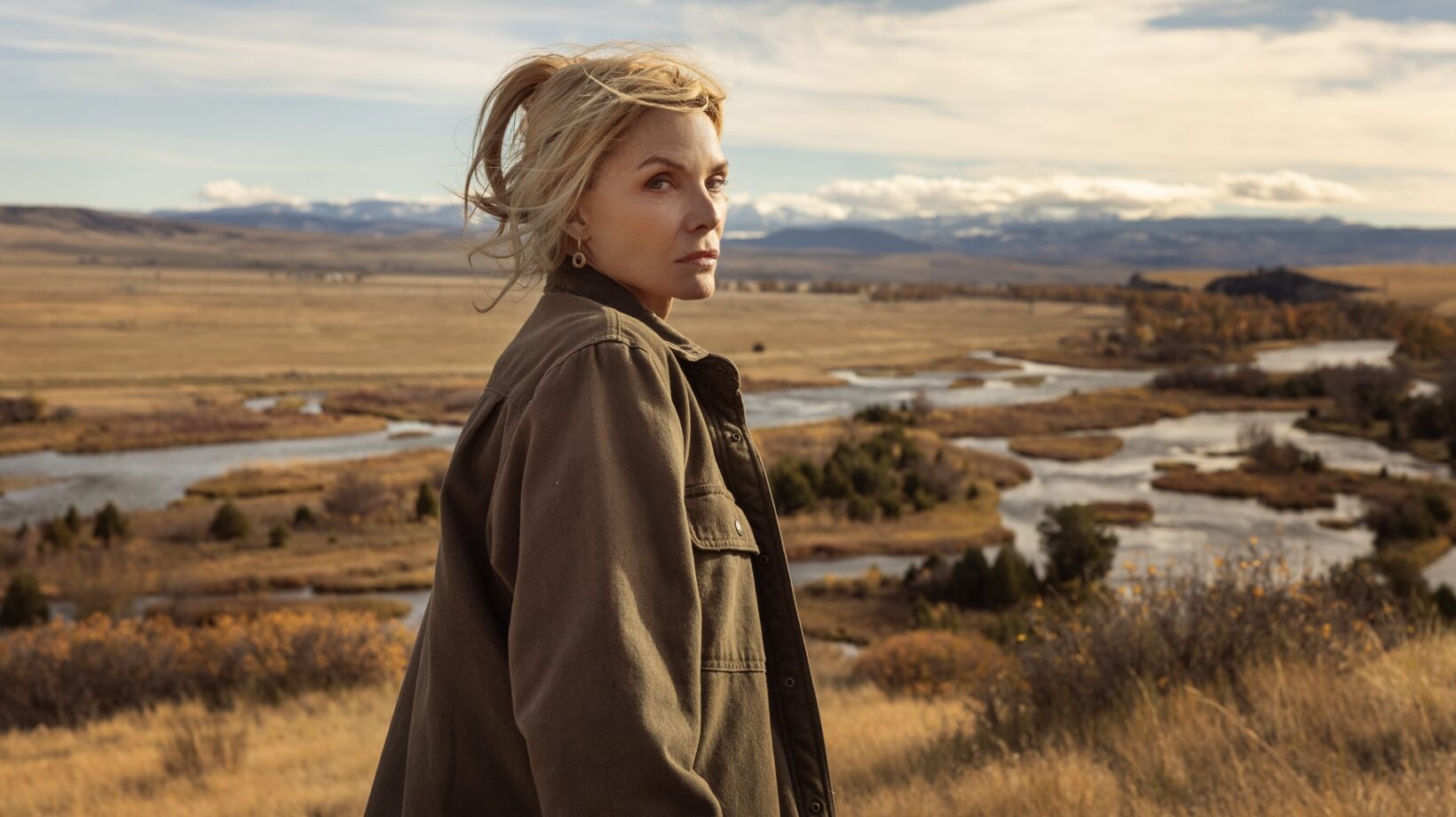
In sharp contrast, Montana emerges as a therapeutic haven of simplicity, genuineness, and spiritual renewal. The vast landscapes, tight-knit communities, and connection to nature offer the Clyburn family a chance to rebuild what the city has eroded. Here, life moves at a human pace: people ride horses, engage in honest labor, and confront emotions without the distractions of metropolitan pretension. Sheridan’s Montana represents tradition, resilience, and unfiltered reality—a place where healing is not only possible but almost inevitable. Supporters praise this romanticization as a refreshing ode to rural values often overlooked in mainstream media.

This binary approach is not new for Sheridan, whose works like Yellowstone frequently champion Western ruggedness against perceived coastal elitism. However, many commentators argue that The Madison takes the formula to extremes, resulting in what they call “lazy overtness.” Professional reviewers have accused the show of demonizing New York to the point of comedy, with scenes that feel more like political statements than nuanced drama. Some New York-based critics found the depictions embarrassing and disconnected from reality, pointing out factual inaccuracies such as claims that biking or building snowmen is impossible in the city.
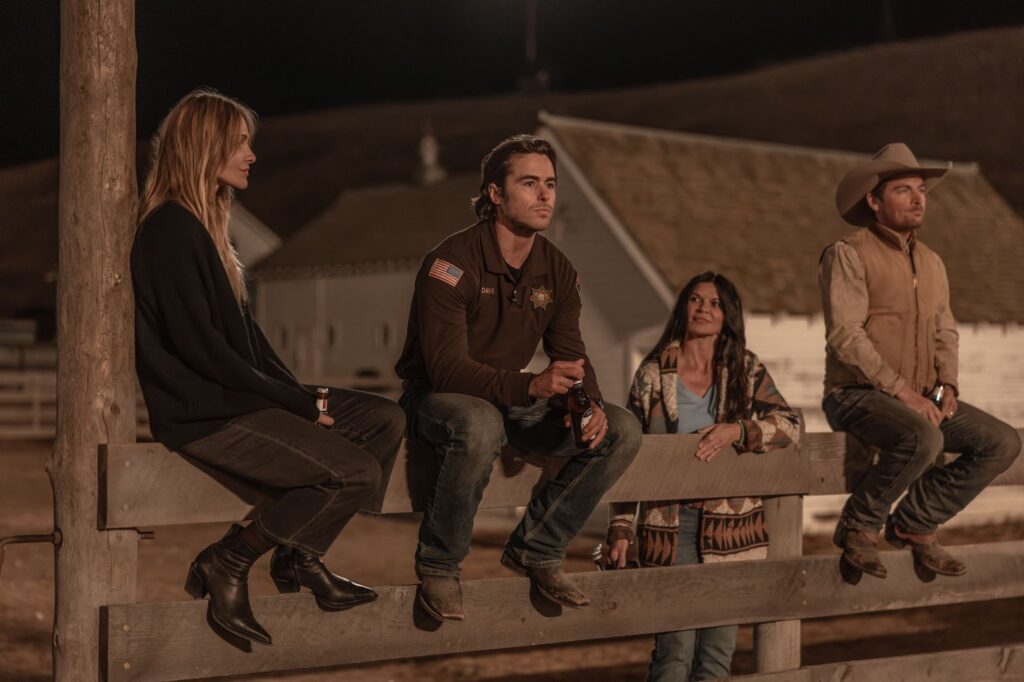
Defenders of the series counter that Sheridan is simply reflecting observable truths rather than inventing caricatures. They argue that many viewers, including those who have fled high-crime urban areas, resonate with the portrayal of cities as overwhelmed by disorder and social alienation. The show’s strong performance on Paramount+, topping charts in multiple countries, suggests it taps into a broader cultural sentiment favoring authenticity over sophistication. For these fans, Montana’s idealized depiction serves as aspirational escapism and a reminder of enduring American values rooted in land and community.
The controversy also intersects with longstanding criticisms of Sheridan’s storytelling. Accusations of misogyny and one-dimensional female characters persist, with some suggesting the urban women in The Madison are reduced to entitled archetypes. Yet the core debate remains geographic and ideological: does the show unfairly vilify modern cities, or does it courageously expose their flaws? Sheridan himself has rarely commented directly, allowing the work to speak through its characters and imagery.
At its heart, The Madison uses this urban-rural divide to explore universal themes of loss and redemption. The Clyburns’ journey from glittering skyscrapers to open skies symbolizes a deeper search for meaning in a fractured world. Whether one views the portrayals as insightful social commentary or reductive propaganda, the series undeniably provokes conversation about where and how we find belonging.
Ultimately, the backlash reveals more about contemporary cultural divides than the show itself. In an era of polarized worldviews, Sheridan’s unapologetic preference for rural simplicity resonates with one audience while alienating another. The Madison may not offer subtle nuance, but it delivers a clear message: amid grief and societal chaos, sometimes the cure lies not in the noise of the city but in the quiet strength of the land. As the Clyburn family discovers, true healing often requires leaving behind old identities to embrace something more elemental and true.
This bold narrative choice ensures The Madison remains a lightning rod, much like Sheridan’s other creations—divisive, emotionally charged, and impossible to ignore.