BLACKPINK’s Jennie has found herself at the center of another online storm after influencer Harry Daniels publicly addressed why a viral video of the two suddenly disappeared, reigniting accusations about image control and pushing fans and critics into yet another brutal divide. The controversy traces back to Jennie’s appearance at Coachella 2026, where Daniels filmed one of his signature awkward celebrity interactions, the kind of clip that often spreads fast across social media. This one did exactly that.
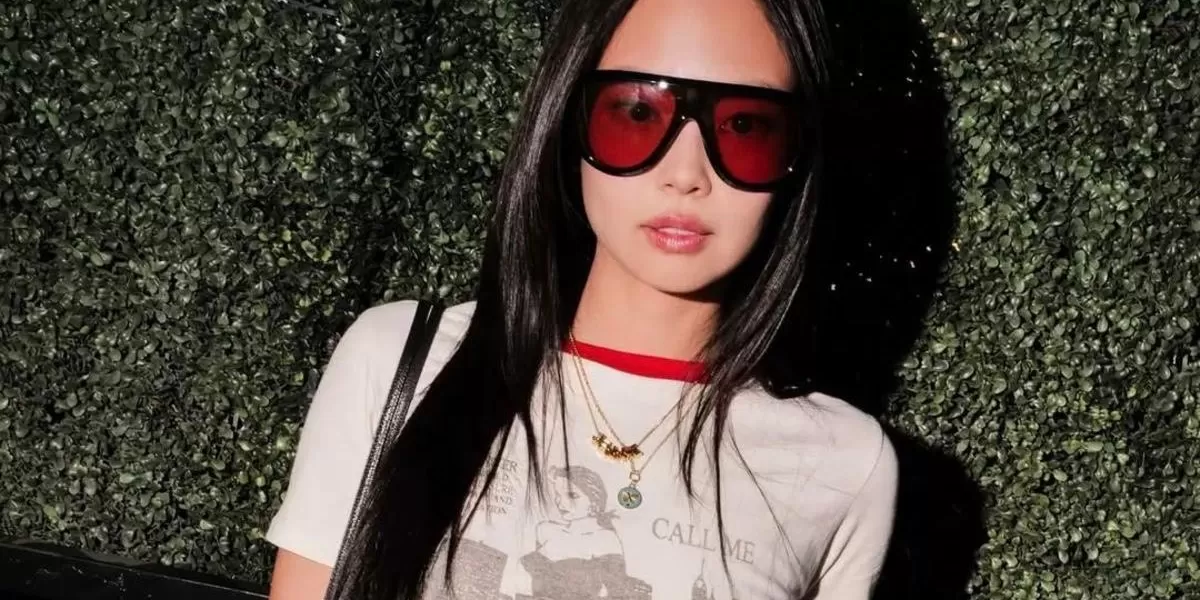
Daniels, who is known for approaching celebrities in public and singing their own songs back to them in intentionally uncomfortable ways, posted the clip after meeting Jennie during the festival. As with many of his videos, it quickly gained attention and was widely reposted. But the reaction did not stay light for long. According to the report, Jennie soon became the target of body-shaming comments, with some users cruelly fixating on her feet. Not long after the mockery began to spread, the video vanished from social media, triggering immediate suspicion online.
That is where the story took a sharper turn.
📸260413 Harry Daniels IG update with #JENNIE pic.twitter.com/i6qIMEpVHa
— JENNIE NEWS (@NEWSJENNlE) April 12, 2026
In comments shared through his podcast, Daniels said Jennie’s manager had initially asked whether the video would be sent to Revolve for approval before being posted. He explained that he normally has full control over his content, so he chose to ignore that request and uploaded the clip anyway. About a day later, he said, he received a message asking him to take it down. Daniels admitted he felt “heartbroken,” but said he still removed the post out of respect and to avoid damaging the professional relationship between Jennie and Revolve. He also made clear that this was not a normal situation for him and that he is usually free to post what he wants.
That explanation only poured more fuel on the fire.

For many critics, Daniels’ account seemed to confirm what they had already been saying: that pressure had been applied after the clip went viral and after hateful commentary about Jennie’s appearance began to spiral. The backlash intensified as online users accused Jennie and her team of being overly concerned with how she appears in unedited footage. Some framed the deletion as evidence of insecurity, while others used the moment to revive broader criticism about celebrity image management and the impossible standards idols are expected to maintain.
But the outrage did not move in only one direction.
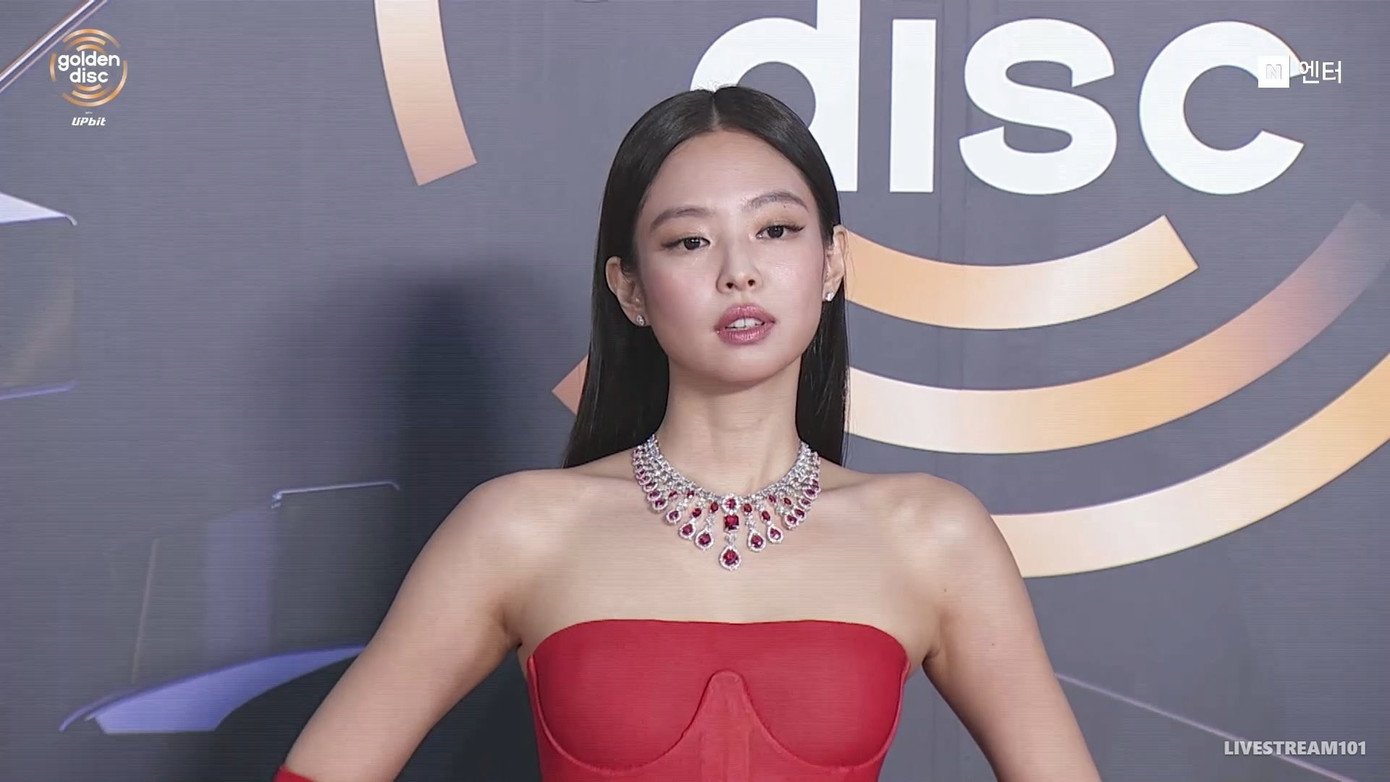
Another group of commenters argued that Daniels himself had helped create the mess by ignoring the earlier request for approval. From that perspective, the conflict might have been avoided altogether if he had simply respected the team’s process before uploading the clip. That argument gave Jennie’s side at least some support, with defenders saying the problem was not the deletion itself, but the fact that a video involving a global star was posted without clearance after a manager had already raised the issue.
What makes the entire episode hit harder is how familiar the pattern feels. A short public moment turns viral, the internet latches onto a tiny visual detail, the conversation mutates into cruelty, and suddenly the focus is no longer the interaction itself but the brutal machinery of fandom, anti-fandom, and public humiliation. In this case, a clip that could have remained just another fleeting celebrity encounter instead became a flashpoint for larger anxieties around control, vulnerability, and the cost of existing under a camera lens that never blinks.
Jennie herself was described in the report as facing criticism following the interview, but the article does not include any direct public statement from her addressing the controversy. What it does show is a chain of events that left room for multiple readings: a manager asked about approval, Daniels posted anyway, a removal request came later, and the deleted clip became even more explosive because it disappeared after attracting ridicule. That sequence is exactly why the story kept spreading. It was no longer just about a video. It became about what the deletion seemed to imply.
And that implication is what has kept the backlash alive.
Whether people see Jennie as unfairly attacked, carefully protected, or caught in a preventable PR mess, the moment has clearly struck a nerve. What began as a Coachella encounter was transformed into a public argument over image, authority, and who really controls the final version of what the world gets to see. Once Daniels admitted the clip was taken down after a request from Jennie’s side, the story stopped being a fleeting viral post and turned into something much more volatile: another reminder that in pop culture, the footage that disappears can sometimes cause more damage than the footage that stays up.