The long-awaited Michael Jackson biopic Michael has shattered records at the box office, becoming the highest-grossing opening weekend for any biopic in history. However, its commercial triumph has been overshadowed by significant criticism and multiple controversies surrounding its content and production choices. Released on 24 April 2026 and starring Jackson’s nephew Jaafar Jackson in the lead role, the film has divided audiences and sparked intense debate.
Despite receiving largely negative reviews from critics, Michael earned an impressive $97 million domestically and $217 million worldwide during its opening weekend, according to Comscore. Directed by Antoine Fuqua, the movie traces Jackson’s journey from his early years with the Jackson 5 in the 1960s through to his rise as a global superstar in the 1980s. While fans have celebrated the energetic musical sequences and Jaafar’s committed performance, others have criticised the film for what it chooses to omit.
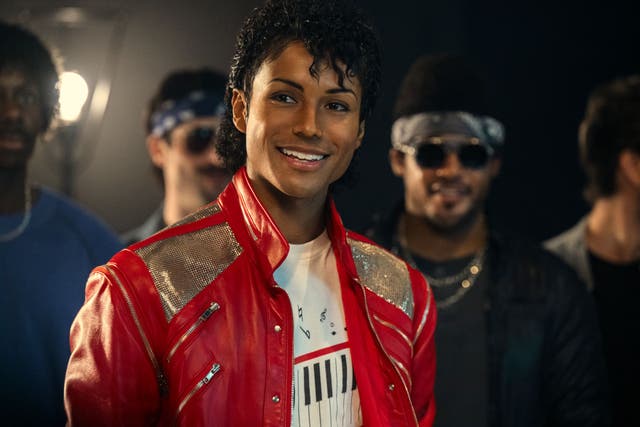
One of the primary points of contention is the complete absence of any reference to the child sexual abuse allegations that Michael Jackson faced, particularly those that emerged in 1993. The late singer and his estate consistently denied these claims. Reports indicate that earlier versions of the script included scenes depicting investigators searching Neverland Ranch following the 1993 accusations. However, these sequences were ultimately removed due to legal concerns, leading Lionsgate to delay the film’s release by a full year and reshoot a new third act.
During a recent appearance on TODAY, actors Colman Domingo and Nia Long, who portray Joe and Katherine Jackson, addressed this criticism. Domingo explained that the story deliberately focuses on the period from the 1960s to 1988, framing it as “an intimate portrait of who Michael is” and the making of the artist. He suggested that a potential sequel could explore later events, including the allegations.
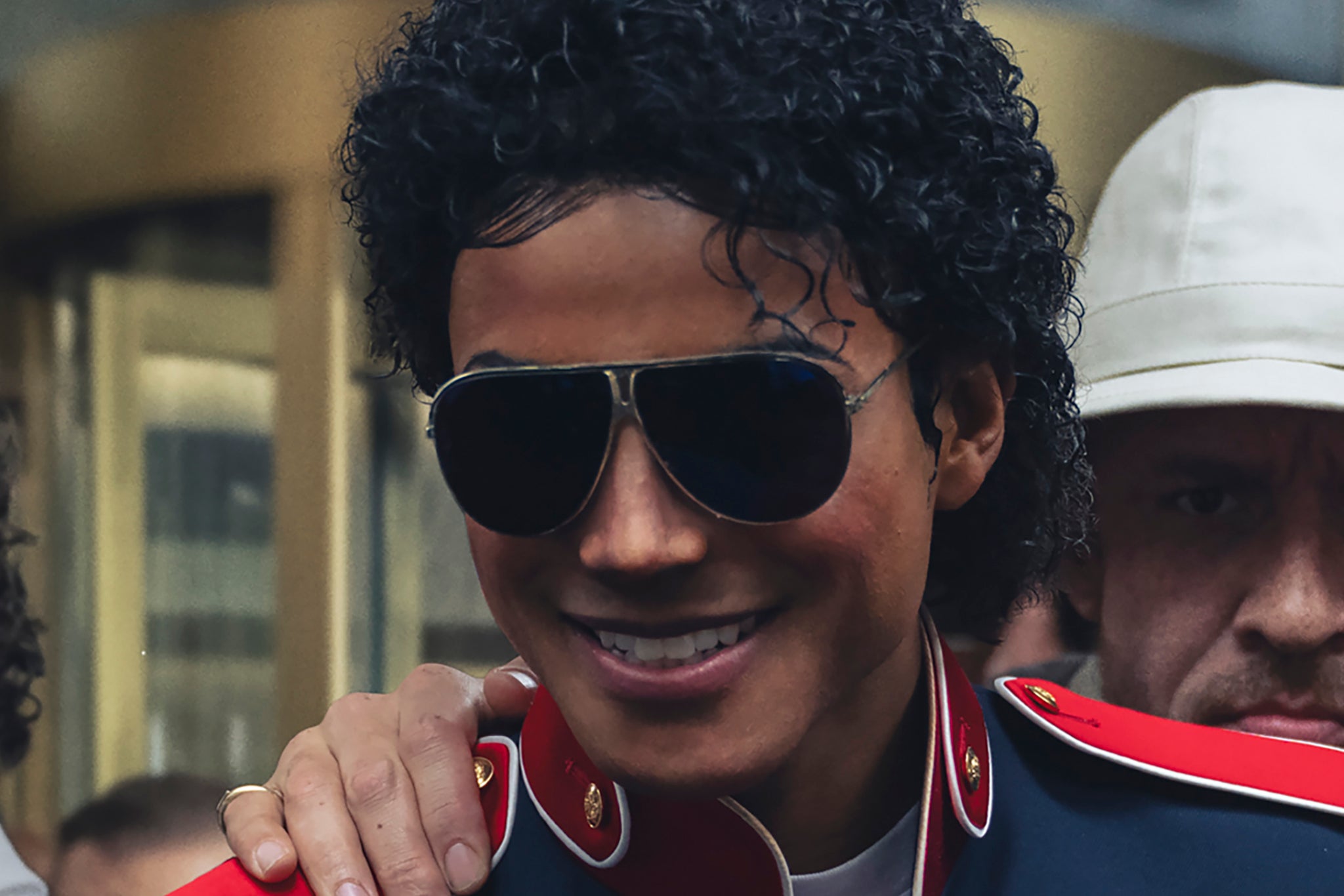
Adding to the controversy, a new lawsuit has emerged just as the film reached cinemas. Four adult siblings from the Cascio family filed legal action in February 2026, alleging that Jackson sexually abused them over more than a decade, beginning when they were as young as seven or eight. A fifth sibling has also claimed abuse but is unable to join the suit for legal reasons. The siblings previously defended Jackson in a 2010 Oprah Winfrey interview, stating he had never harmed them. They now say that statement was untrue and that they were groomed and assaulted in various locations.
The Cascio family attributes their changed perspective to watching the 2019 documentary Leaving Neverland. They claim they informed the Jackson estate of the alleged abuse years ago. Following the release of that documentary, the estate reportedly paid each sibling $2.8 million over five years as part of a compensation agreement. The estate has described the new lawsuit as “a desperate money grab,” while the family’s lawyers accuse the estate of attempting to buy their silence.

Further criticism centres on notable omissions in the cast. Several key Jackson family members are absent from the film, most prominently Janet Jackson, who reportedly declined an invitation to be portrayed. Rebbie and Randy Jackson are also missing, despite the inclusion of other siblings such as Jackie, Tito, Jermaine, Marlon, and La Toya. La Toya Jackson confirmed at the premiere that her sister Janet “kindly declined,” and her wishes were respected.
Additionally, all scenes featuring actress Kat Graham as Diana Ross were cut from the final version due to legal considerations. Graham shared this update on social media shortly before the release, noting the difficult decision despite the hard work invested in those sequences. Ross and Jackson shared a close friendship and collaborated on several high-profile projects in the past.
Paris Jackson, Michael’s daughter, has been one of the most vocal critics of the film. In an Instagram Story video, she described it as filled with inaccuracies and prioritising commercial success over honesty. She firmly denied having any involvement in the production, contradicting earlier comments from Domingo suggesting support from her and her brother Prince. Paris expressed concern that the movie caters to fans who prefer a sanitised, fantastical version of her father’s life rather than a truthful account.
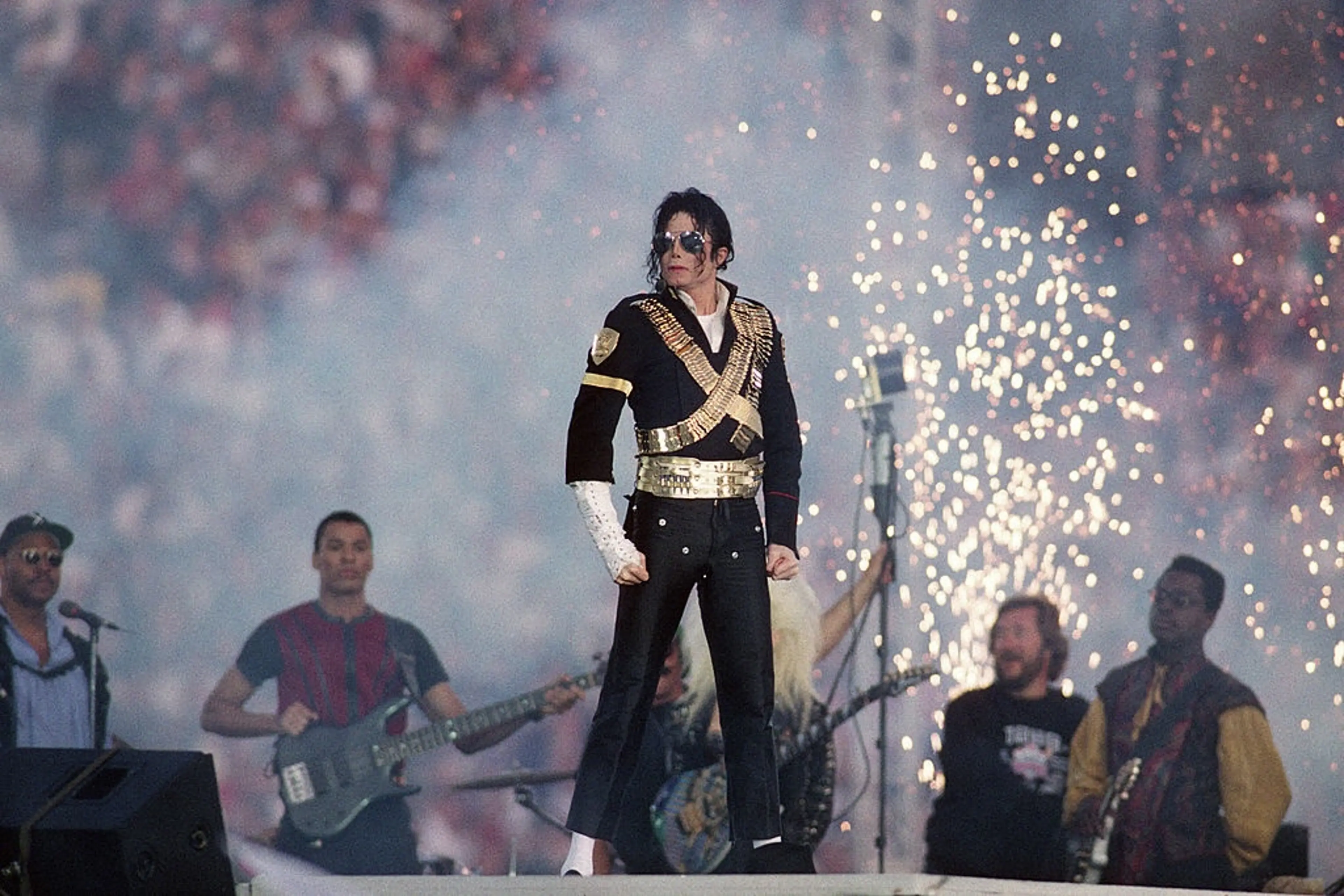
Despite these issues, the Jackson family has largely shown support for Jaafar’s performance. The young actor has spoken warmly about the encouragement he received, particularly from his grandmother Katherine. A title card at the end of the film reading “His Story Continues” has fuelled speculation about a possible sequel, which could address later chapters in Jackson’s life. Lionsgate executives have indicated they are prepared to continue the narrative if audience demand remains strong.
The Michael biopic highlights the ongoing challenges of portraying complex public figures on screen. While it delivers a visually spectacular celebration of Jackson’s musical genius and early achievements, its selective storytelling has reignited long-standing debates about his legacy. As the film continues its theatrical run and potential future instalments are discussed, the conversation around what should be included in such biographical works is likely to persist. For many fans, the movie offers a joyful tribute to an unparalleled talent, but for critics, it represents a missed opportunity to confront a more complicated truth.