Dallas Jenkins, the creative force behind The Chosen, is pushing the boundaries of faith-based storytelling with the series’ sixth season. As creator, executive producer, and director, Jenkins is approaching the climactic events of Jesus’ life not just as a historical retelling, but as an emotionally layered and spiritually resonant journey. His vision for the Crucifixion departs from the explicit physicality of previous cinematic depictions, promising a portrayal that taps into years of character development and viewer investment.
Rethinking the Crucifixion
When asked how Season 6 will differ from other portrayals of the Crucifixion, Jenkins highlighted two key approaches. “There are two ways that I think we’re going to be different,” he said.
The first hinges on the advantage of time and character depth. Unlike films like Mel Gibson’s The Passion of the Christ, which had to condense the intensity of Jesus’ final hours into a two-and-a-half-hour window, The Chosen has spent five seasons building the emotional landscape of its characters. “We have more tools in our toolbelt than Mel Gibson did, by the fact that we have five seasons leading up to this. So he was using a lot of violence and visual intensity to try to capture the reality of the Crucifixion and the weight of the Crucifixion. But it was a movie, so he only had a limited amount of time.”
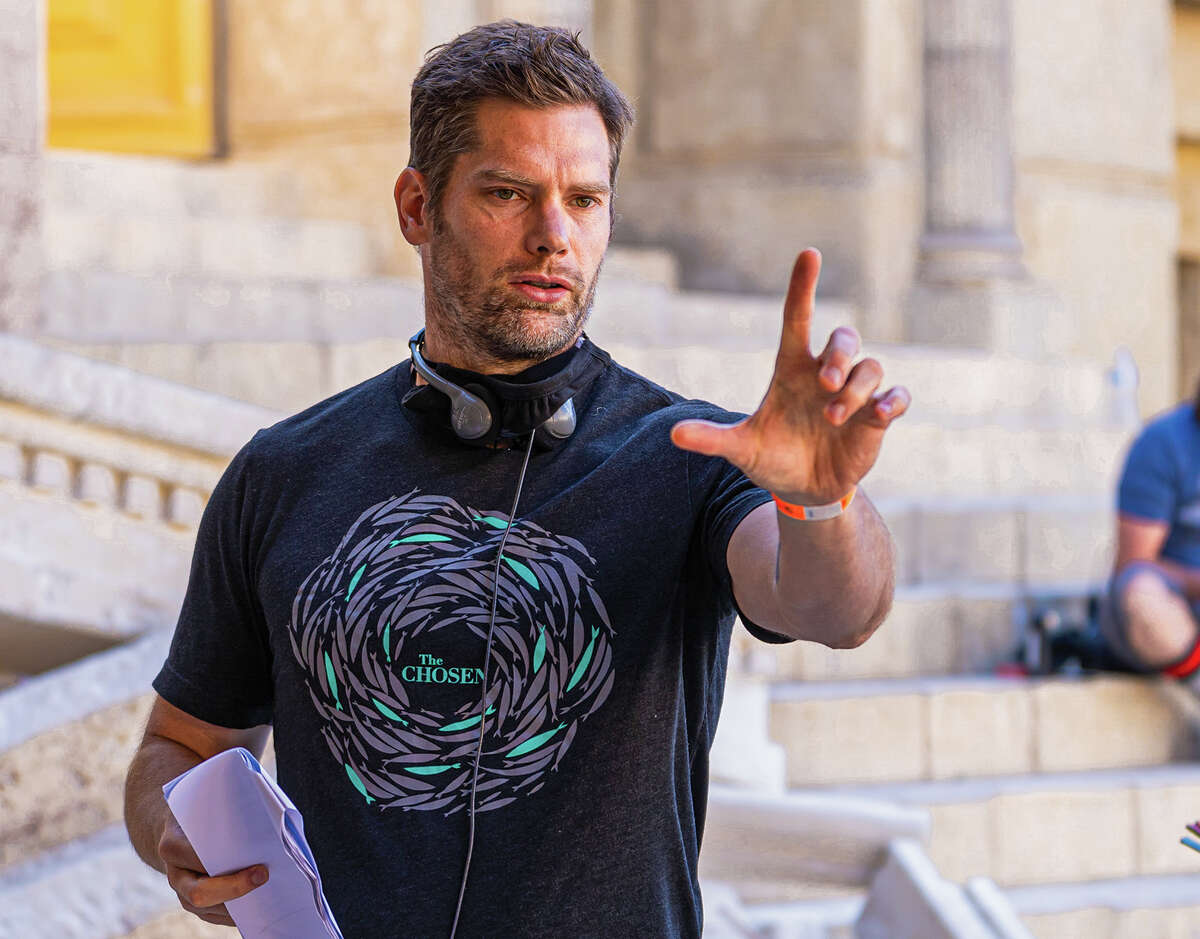
Jenkins explained that this extended storytelling allows the series to convey the Crucifixion’s impact without relying solely on graphic imagery. Audiences have grown deeply attached to the characters over five seasons, and even subtle reactions from Jesus’ closest followers can evoke profound emotional responses. “For many people, just a simple reaction from one of Jesus’ closest friends is going to break us because we’ve known these characters for so long. So, it has more emotional weight because of the backstories that we’ve had for over five years.”
Shifting from Physicality to Emotion
The second major distinction lies in the depiction of violence. Jenkins is intentionally steering away from the explicitly brutal physicality that has defined previous cinematic portrayals of the Crucifixion. “It’s not going to be quite as explicitly violent. Mel did it already. I don’t feel like I have anything new to add to the physicality of it. We’ve seen dozens of portrayals. Mel’s was the most violent. I think we’ve got an idea of what that looks like.”
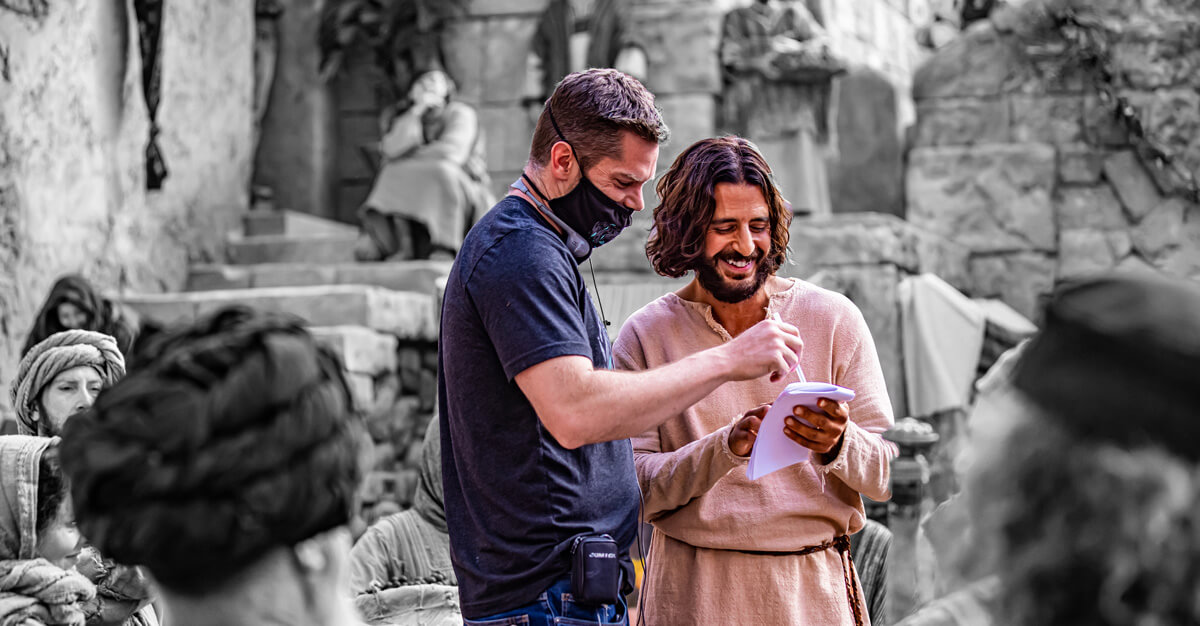
Instead, the series focuses on the emotional and spiritual dimensions of Jesus’ final moments. Jenkins emphasizes that the storytelling is meant to explore more than a single event; it’s a narrative that encompasses humanity’s journey and sets the Crucifixion within the broader scope of history. “I think for this storytelling that we’re doing, we’re trying to tell a story not just of the Crucifixion but of the history of humanity. This movie is going to cover and remind you of the history from the creation of the universe all the way to the Crucifixion — to help establish the need for the Crucifixion.”
This holistic approach allows viewers to witness the Crucifixion not as an isolated historical incident but as the apex of a cosmic and human narrative. By contextualizing Jesus’ sacrifice within the larger arc of creation, sin, and redemption, the series imbues the moment with emotional resonance that extends beyond visual shock.
Emotional Investment as a Narrative Tool
Jenkins’ strategy relies on audience familiarity and attachment. Characters like Peter, Mary Magdalene, Matthew, and others have evolved over multiple seasons, and their reactions to Jesus’ suffering are crafted to carry the emotional weight that dialogue alone cannot achieve. This cumulative investment gives the Crucifixion scenes a profound sense of intimacy and immediacy. The series leverages long-term character arcs as a storytelling tool, making viewers feel the loss and gravity alongside those who witnessed it firsthand.
By prioritizing relational depth over shock value, Jenkins hopes to convey a more universal message about sacrifice, empathy, and the human condition. The decision to emphasize emotional resonance over graphic violence marks a deliberate shift in how faith-based media can approach sacred stories, aiming for profound impact without desensitizing audiences through spectacle.
A Spiritual and Cinematic Ambition
Beyond emotional nuance, Jenkins also envisions Season 6 as a spiritual journey. While cinematic depictions like Gibson’s focused on physical realism and visceral intensity, Jenkins aims for an experience that engages viewers’ hearts and minds. The Crucifixion is presented not as an endpoint, but as a culmination of both human and divine history—a narrative designed to provoke reflection on morality, faith, and the human struggle.

By blending cinematic craft with long-form storytelling, The Chosen offers a richer tapestry than traditional films. The series demonstrates how extended character development, meticulous world-building, and layered narratives can make iconic biblical events resonate more profoundly with contemporary audiences.
Anticipating a Transformative Viewing Experience
For fans and newcomers alike, Season 6 promises a distinctive approach. Jenkins’ vision transforms the Crucifixion from a historical spectacle into a layered, emotionally immersive narrative. The focus on subtlety, context, and character reaction elevates the series beyond retelling familiar stories into an exploration of how humans process love, loss, and redemption.
“The emotional journey and the spiritual journey are front and center,” Jenkins asserts. “We’re coming at it from a little bit more of an emotional journey and a spiritual journey than a physical one.” This approach ensures that viewers are not just witnesses but participants in a story that has shaped humanity’s moral and spiritual consciousness for millennia.
A Story Told Differently, But Powerfully
With Season 6, Jenkins and The Chosen team are proving that faith-based storytelling can evolve, embracing subtlety and emotional depth over spectacle. By leveraging years of character development and a panoramic view of humanity’s history, the series is poised to deliver the Crucifixion in a way that is both intimate and universal, familiar yet revelatory.
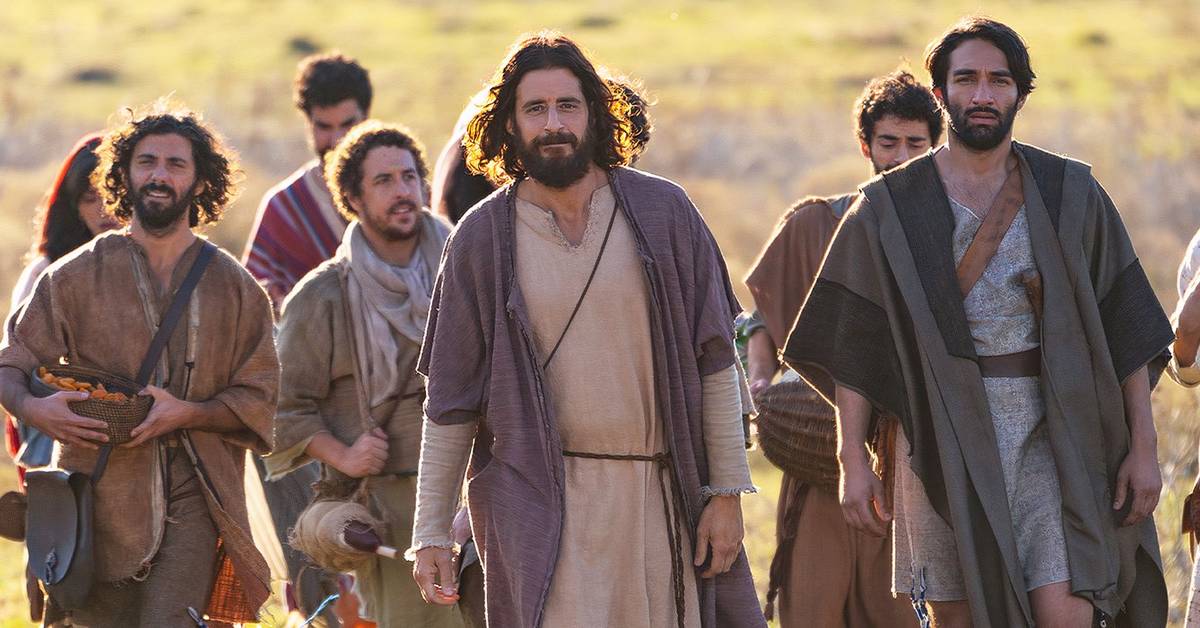
In the end, Jenkins’ approach challenges audiences to feel rather than simply observe, to reflect rather than recoil. It’s a storytelling strategy that doesn’t just recount an iconic event—it unveils it, forcing viewers to confront the human and divine stakes of the Crucifixion in a way that lingers long after the screen goes dark.