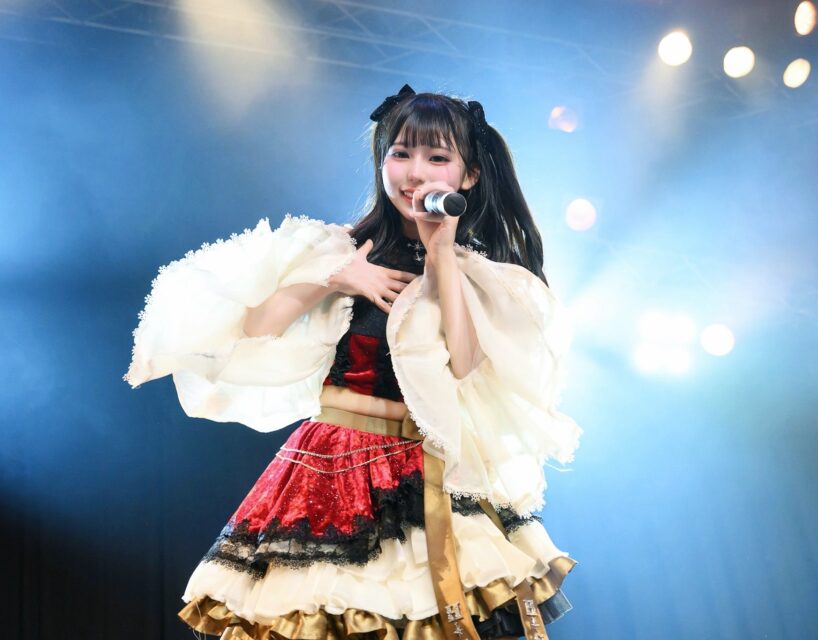
Japanese idol Suzumiya Sakura, a recently debuted member of the J-Pop group HIGH SPIRITS, has issued a public apology after a compromising video from her pre-debut days surfaced online and sparked significant controversy. The footage, which rapidly gained widespread attention, has reignited debates about the intense scrutiny faced by young idols and the expectations placed upon them to maintain an impeccable public image.
HIGH SPIRITS originally formed in 2016 and has undergone several line-up changes over the years as members graduated. Suzumiya Sakura joined the group in January 2026, stepping in as a replacement for a departing member. Her addition was intended to bring fresh energy to the established act. However, her early days in the spotlight have been overshadowed by the emergence of old private footage that contrasts sharply with the polished persona expected in the idol industry.

The video in question was posted by DEATHDOL Note, a notorious Japan-based account known for exposing idols and other public figures. The platform frequently shares content that reveals behaviour perceived as inconsistent with an idol’s carefully cultivated image, ranging from dating rumours to more controversial actions. In Sakura’s case, the clip depicts her and another woman in a karaoke room, both wearing only bras while laughing and covering their faces. Empty bottles and other signs of alcohol consumption are visible around them, suggesting a lively private gathering.
The footage spread rapidly across social media platforms, accumulating over 77 million views in a short period. This viral explosion triggered a wave of backlash from netizens, many of whom expressed disappointment and questioned whether Sakura was suitable for her role as a public figure. In the highly competitive and image-conscious world of Japanese idols, such revelations often lead to intense criticism, as fans expect their favourites to embody purity, professionalism, and discipline at all times.
こちらもバッチリカメラ目線📸 https://t.co/RIcRBIDjT5 pic.twitter.com/I19zym35k5
— DEATHDOL NOTE (サブ垢) (@deathdolnote) May 18, 2026
In response to the mounting pressure, Suzumiya Sakura addressed the situation directly by replying to the original post on the exposure account. In her statement, she acknowledged the video and expressed remorse for her past actions. She described herself at the time as “young and naive,” implying that the incident occurred before she had fully grasped the responsibilities that come with entering the entertainment industry. Sakura emphasised her commitment to personal growth, stating that she would not run away from her immature past but would instead confront it bravely and strive to become a better person and performer.

Her apology appears to have been received with a mix of understanding and continued criticism. While some supporters have defended her by arguing that everyone makes mistakes in their youth and that private moments should not define a person’s future, others maintain that idols must uphold higher standards from the moment they pursue a public career. The incident highlights the challenging balance idols must strike between living normal lives and meeting the often unrealistic expectations of fans and the industry.
This is not the first time a young idol has faced public scrutiny over pre-debut behaviour. The K-pop and J-pop industries are notorious for their strict control over artists’ images, where even minor indiscretions from years earlier can resurface and threaten careers. Accounts like DEATHDOL Note thrive on this culture of exposure, often positioning themselves as watchdogs while generating significant engagement through controversial revelations.
Despite the controversy, Suzumiya Sakura has continued her activities with HIGH SPIRITS. The group has maintained its performance schedule in the days following the video’s release, suggesting that management has chosen to support her through the difficult period rather than sidelining her. This approach reflects a growing recognition within some agencies that young artists deserve opportunities for redemption and growth rather than immediate cancellation.
The episode raises broader questions about privacy, personal development, and the idol system itself. Many commentators have pointed out the double standards that exist, noting that young people in other professions are rarely held to such unforgiving standards for behaviour from their teenage years. At the same time, supporters of the industry argue that idols voluntarily enter a contract that includes maintaining a certain public image in exchange for fame and financial rewards.
For Suzumiya Sakura, this incident may ultimately serve as a turning point. Her willingness to apologise publicly and commit to self-improvement demonstrates maturity and accountability. As she continues her career, the way she handles this challenge could strengthen her connection with fans who value honesty and resilience. It may also encourage greater awareness within the industry about supporting young talents as they navigate the transition from private individuals to public figures.
The rapid spread of the video underscores the power of social media in shaping careers almost overnight. In today’s digital landscape, moments captured years ago can resurface without warning, forcing artists to confront their past in the most public manner possible. For aspiring idols, this serves as a cautionary tale about the permanence of online content and the importance of mindful behaviour.
As the dust settles on this controversy, attention will likely shift back to Suzumiya Sakura’s performances and contributions to HIGH SPIRITS. The group’s ability to weather the storm will depend on fan loyalty and the management’s handling of the situation. For now, the young idol’s response has shown a level of composure that may help mitigate long-term damage to her reputation.
This case adds to the ongoing conversation about mental health, pressure, and personal freedom within the idol industry. While fans have every right to hold their favourites accountable, there is also a growing call for more empathy and understanding towards young artists who are still learning and evolving. Suzumiya Sakura’s experience illustrates both the risks and the potential for redemption in a highly visible and demanding career path.