aespa’s Karina has found herself at the centre of controversy following a seemingly innocent message she shared with fans on the private messaging platform Bubble. Many supporters of G-Dragon have interpreted her words as a subtle dig at the legendary artist’s feature on the group’s latest single “WDA (Whole Different Animal)”. The situation has sparked heated debates across online communities, highlighting the complex dynamics between idols, features, and fanbases in the K-pop industry.
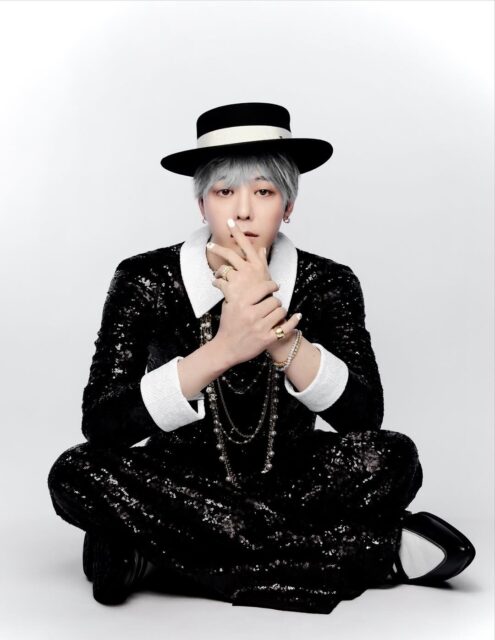
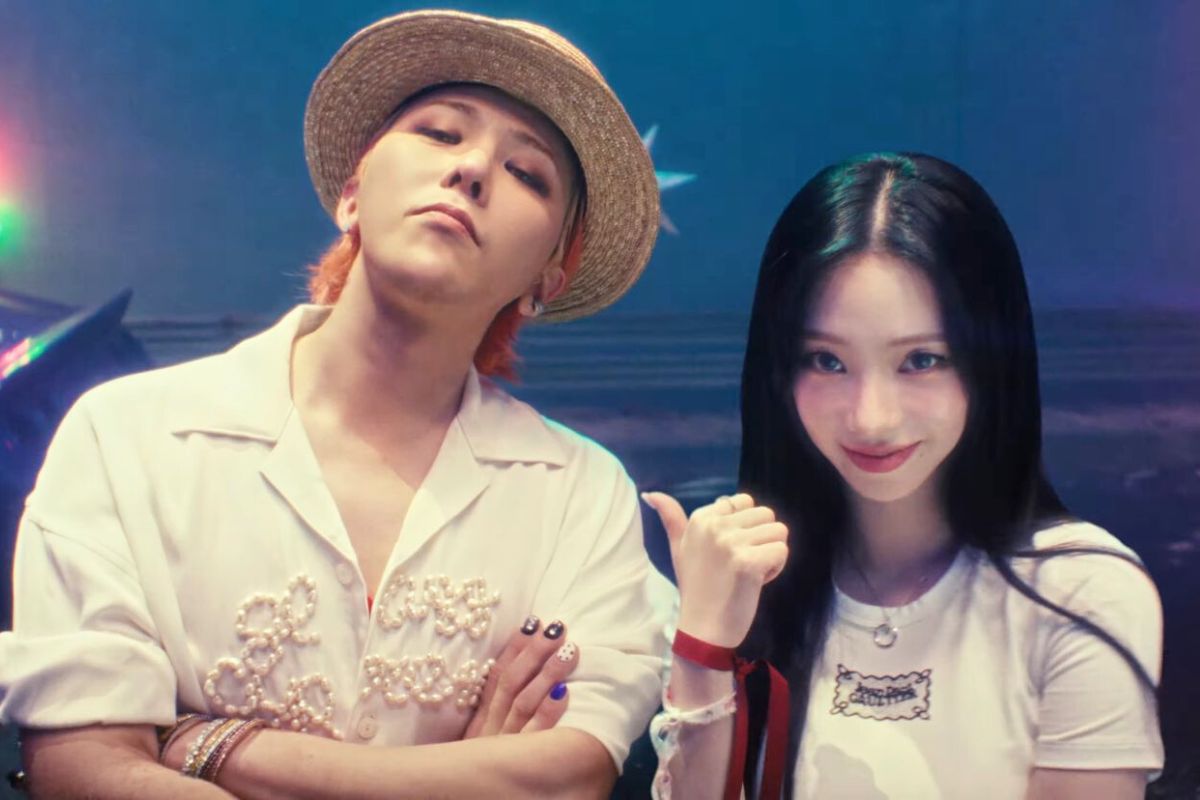
The collaboration originated when aespa’s Giselle appeared as a guest on G-Dragon’s variety show last year and personally requested his involvement on a track. The veteran rapper agreed and contributed lyrics and a rap verse to “WDA”. While the feature was intended as a high-profile collaboration, it met with strong opposition from parts of aespa’s Korean fandom. Some fans expressed dissatisfaction and even organised a boycott of the release, citing various concerns about the pairing.
In response to the mixed reactions, Karina addressed fans directly through Bubble. Her message read: “About WDA, I know you probably have mixed feelings, but I hope you’ll love it.” Although the comment was meant to acknowledge fan sentiments and encourage support for the new song, it has been widely criticised by G-Dragon’s supporters. Many view the phrasing as dismissive of his contribution, implying that his involvement was something listeners would need to “tolerate” rather than celebrate.
G-Dragon fans have been particularly vocal on social media, pointing out the effort the senior artist invested. They emphasise that he wrote his own lyrics, recorded his part, and actively promoted the track despite his busy schedule. Comments such as “Why does he have to get bashed by the other artist’s fandom all week and even hear that kind of talk from a junior?” reflect the frustration within the community. Others described Karina’s words as “thoughtless” and lacking proper respect for a senior figure in the industry.

The backlash has extended beyond individual complaints, with some netizens calling for clarification from Karina or aespa’s agency SM Entertainment. Critics argue that if the “mixed feelings” comment specifically referred to G-Dragon’s feature, it demonstrates poor judgment, especially coming from a younger artist addressing a legend with decades of influence. The situation has also led to broader discussions about generational respect, fan expectations, and how collaborations are handled publicly.
This is not the first time a feature has caused division within K-pop fandoms. High-profile collaborations often generate excitement among international audiences but can sometimes create tension among domestic fans who hold strong opinions about artistic direction and group identity. In this case, the boycott calls and subsequent online discourse highlight how protective certain fan communities can be of their idols’ images.
Karina, as aespa’s leader and one of the group’s most visible members, frequently interacts with fans through platforms like Bubble. Her messages are usually warm and engaging, aiming to strengthen the connection with supporters. However, in this instance, the wording has been scrutinised heavily, with some accusing her of indirect shade while others defend it as a neutral attempt to address genuine fan concerns. Supporters of aespa argue that the comment was simply acknowledging divided opinions without targeting G-Dragon personally.
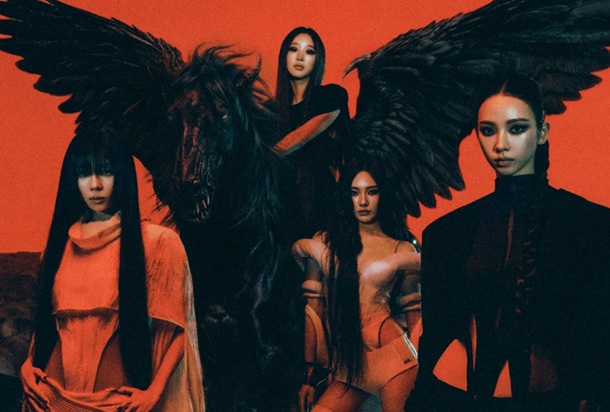
The incident underscores the intense scrutiny placed on every public statement by K-pop idols. In an era of constant social media engagement, even carefully phrased messages can be interpreted in multiple ways. G-Dragon, often referred to as a pioneer and “king” of K-pop, commands immense respect across generations. Any perceived slight from a newer artist tends to provoke strong reactions from his dedicated fanbase.
As of May 11, 2026, neither Karina nor SM Entertainment has issued an official response to the growing controversy. aespa continues to promote “WDA” amid the mixed reception, while G-Dragon’s fans call for greater sensitivity in future interactions. The episode serves as a reminder of the delicate balance idols must maintain between fan communication and professional collaborations.
Broader industry observers note that such controversies, while unfortunate, reflect the passionate nature of K-pop fandoms. Features involving senior and junior artists are generally celebrated for bridging generations, yet they can also expose underlying tensions. Moving forward, clearer communication and mutual respect will likely be emphasised to prevent similar misunderstandings.
For now, the focus remains on aespa’s musical activities and G-Dragon’s ongoing influence. Karina’s message, intended to bridge the gap with fans, has instead highlighted how easily words can be misconstrued in the digital age. As both artists continue their successful careers, this episode may fade, but it has certainly added another chapter to the complex relationship between idols, features, and their devoted supporters.