WINNER’s Mino has now addressed one of the biggest questions hanging over his military service controversy, and his answer is only adding more weight to an already explosive situation. After appearing at his first trial on April 21 over allegations tied to violations of the Military Service Act, the singer told reporters he would re-enlist if given the opportunity, while also saying he would accept whatever punishment is handed down.

The case has become especially serious because Mino is accused of being absent from his assigned post for 102 out of 430 days of service without official authorization. That number alone has fueled intense backlash, turning what might once have been seen as a personal or administrative issue into a public scandal with legal and emotional consequences.
At the trial, his legal team reportedly pointed to his mental health condition, including bipolar disorder and panic disorder, as factors behind the absences. But even that explanation did not erase the gravity of the accusations. The report makes clear that those conditions were presented as part of the context, not as a blanket excuse for what happened.
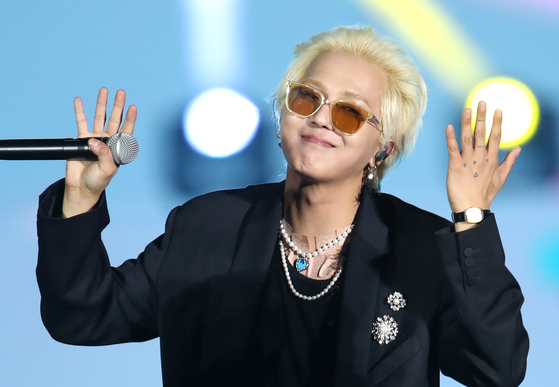
What pushed the story even further was what happened after the hearing, when reporters confronted Mino outside the court and pressed him directly. He was asked whether he admitted to the charges, whether he intended to apologize to citizens who had fulfilled their own military duty sincerely, and what exactly he meant by earlier remarks suggesting he would serve again if given the chance. In response, Mino said he “humbly” accepted and acknowledged whatever punishment he receives. When asked again whether he was serious about re-enlisting, he answered yes. He also offered a brief apology, saying he was sorry for disappointing everyone.
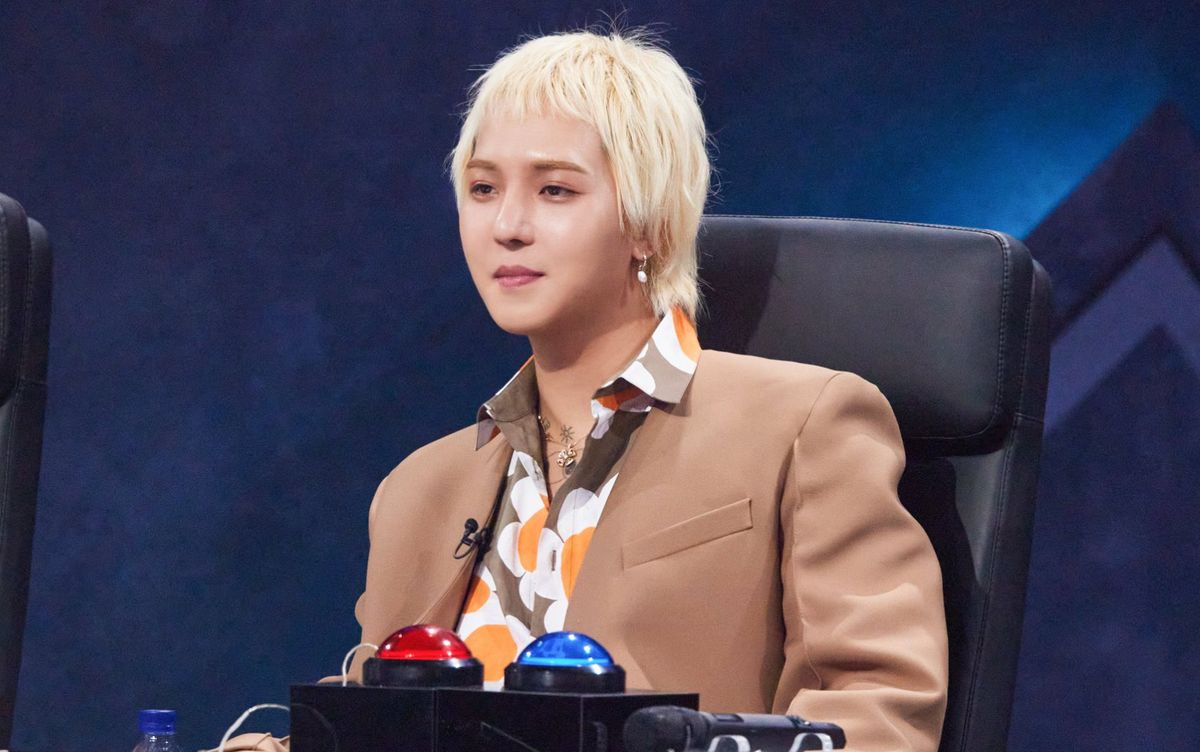
That short exchange carried far more force than its length might suggest. It was not a dramatic speech, nor a carefully polished statement released through an agency. It was a tense public moment in which Mino stood in front of reporters with his career, reputation, and credibility under a harsh spotlight. And instead of dodging the question, he confirmed that he would be willing to go back and serve again if allowed.
But that admission did not calm public anger. If anything, the response described in the report suggests many netizens saw it as further proof that re-enlistment should happen, not merely be discussed as a possibility. Online reactions highlighted in the article were blunt, unforgiving, and openly disappointed. Some called for him to return to military duty properly. Others said prison should come first, followed by a proper return to service. Another reaction lamented that the situation could have been avoided had he simply shown up consistently in the first place.
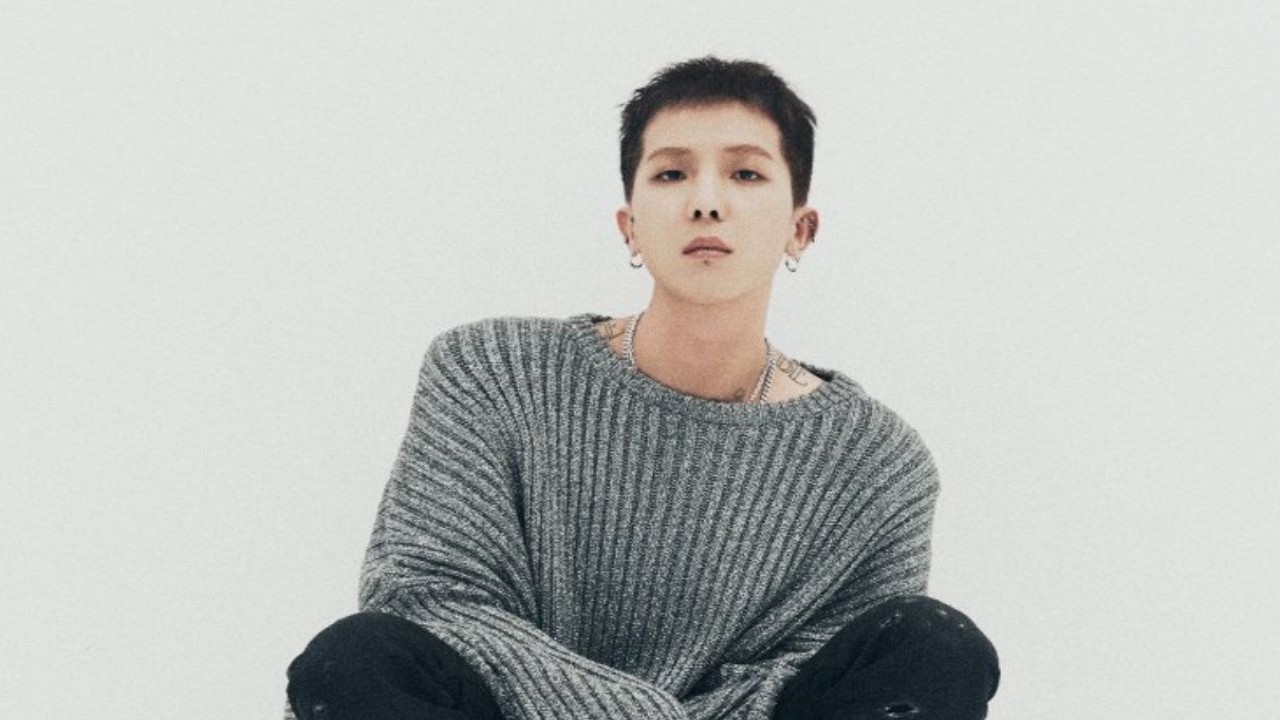
The mood surrounding the case is therefore not one of sympathy or quiet uncertainty. It is one of frustration, disillusionment, and public anger. Military service remains an especially sensitive issue in South Korea, and accusations of evasion or neglect tend to trigger strong reactions, particularly when they involve high-profile celebrities. In Mino’s case, the issue is not just that he is under scrutiny. It is that many people appear to feel personally insulted by what the allegations represent, especially those who completed service under strict conditions without special treatment. That broader public sentiment is reflected in the questions reporters asked him and in the reaction that followed.
What makes the moment so damaging is that Mino is not merely fighting a legal case. He is also battling a collapse of trust. By saying he would re-enlist, he may have hoped to signal accountability, remorse, or at least a willingness to correct what happened. But the reaction captured in the report suggests that for many observers, words are nowhere near enough now. The scandal has moved beyond explanation and into judgment.
That leaves Mino in an especially precarious position. He has acknowledged the punishment to come. He has apologized for disappointing people. He has said he would return to serve if the chance is given. Yet none of that appears to have softened the public response so far. Instead, the pressure seems to be intensifying, with re-enlistment now being discussed not as a gesture of redemption, but as the bare minimum many believe should happen.
For now, the legal process will determine what comes next. But the immediate damage is already clear. What unfolded outside the courtroom was more than a routine celebrity press scrum. It was the image of a star being forced to answer, in the starkest possible terms, whether he is ready to face the consequences of a controversy that has shaken public perception. And with one short answer, Mino made it clear that he knows this is no longer something he can simply outwait.