In one of the most poignant moments depicted in the acclaimed series *The Chosen*, Jesus engages in a deeply intimate conversation with his disciple John, addressing the uncertainties that lie ahead. The exchange captures the anxiety of impending transformation and offers profound reassurance rooted in divine forgiveness and unwavering companionship. This scene masterfully illustrates the series’ commitment to exploring the emotional and spiritual realities of faith, presenting Jesus not only as the divine teacher but also as a compassionate guide who understands human frailty.

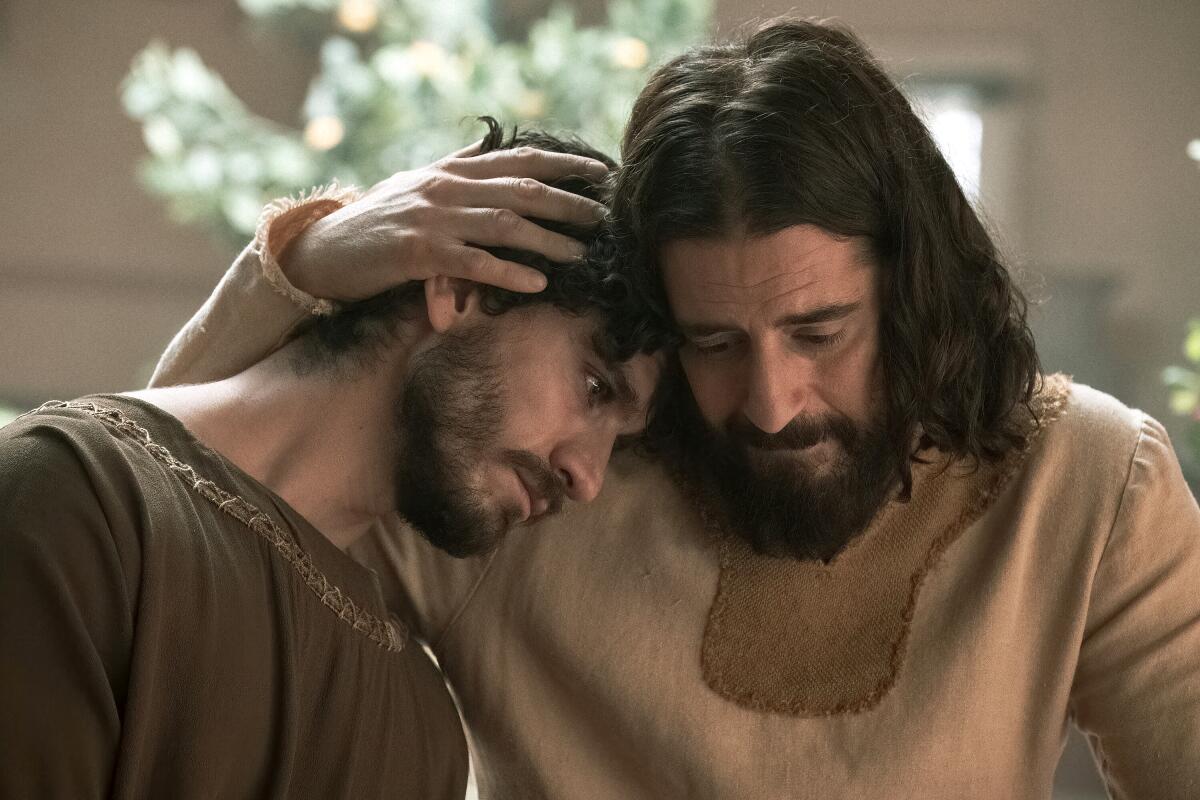
The dialogue begins with John’s tentative question: “Things are going to change, aren’t they?” Jesus affirms this reality without hesitation: “Yes, John, things will change.” These simple words acknowledge the inevitability of disruption in the lives of those who follow him. Throughout the narrative, followers witness miracles, confront opposition, and face personal doubts. Yet Jesus does not promise an easy path. Instead, he prepares them for upheaval while extending an invitation that forms the emotional core of the scene: “But stay close to me as they do.”

This directive to remain near carries layers of significance. In a world of shifting circumstances and external pressures, proximity to Jesus symbolises spiritual anchoring. It suggests that faithfulness is not about avoiding change but about navigating it in relationship with the one who remains constant. The disciples’ subsequent questions reveal their deepest vulnerabilities: “How can we find peace without you? How can we forgive ourselves for what we did to lose you?” These lines expose raw human emotions—fear of abandonment, guilt over past failings, and the weight of perceived responsibility for potential loss. The portrayal feels authentic, reflecting the internal struggles many believers encounter when confronting their imperfections or the silence that sometimes follows moments of divine encounter.

Jesus’ response is both tender and authoritative. “You don’t have to forgive yourself,” he assures, “because I forgive you.” This statement liberates the disciples from the crushing burden of self-condemnation. It underscores a central theological truth: forgiveness originates not from human effort but from divine initiative. In the broader context of the Gospels, this echoes Jesus’ ministry of reconciliation, where he repeatedly offers grace to those burdened by shame or failure. By releasing them from the need to earn or manufacture their own absolution, Jesus shifts their focus from self-reliance to grateful acceptance of unmerited mercy.

The promise deepens further: “And you don’t have to lose me because my spirit will never leave or forsake you.” Here, the scene points forward to the coming of the Holy Spirit, a cornerstone of Christian belief. It reassures the disciples that physical presence is not the ultimate measure of companionship. Even after Jesus’ departure, his sustaining spirit remains—an ever-present source of comfort, guidance, and strength. This assurance transforms anxiety into hope, transforming anticipated separation into a new form of enduring closeness.
The power of this portrayal lies in its emotional realism. The series excels at humanising the disciples, showing them not as flawless saints but as ordinary individuals grappling with confusion, regret, and fear. John’s questions mirror the concerns of anyone facing uncertainty—whether in personal crises, communal challenges, or spiritual droughts. By voicing these doubts aloud, the scene validates the legitimacy of such feelings while gently redirecting them toward trust. Jesus does not dismiss their concerns; he meets them with empathy and truth, modelling a relational approach to leadership that prioritises connection over correction.
This moment also enriches understanding of Jesus’ dual nature. He demonstrates divine authority through his words of forgiveness and promise, yet his engagement reveals profound relational warmth. He listens, affirms their emotions, and responds with personalised reassurance. Such depictions help viewers appreciate the incarnation more fully—the idea that the divine entered human experience completely, capable of empathising with every weakness. The scene thus serves as both a theological reflection and an emotional anchor, inviting audiences to consider their own responses to change and failure.
In the wider narrative arc, conversations like this contribute to the series’ exploration of discipleship. Following Jesus involves joy and wonder, but also sacrifice and uncertainty. The promise of his abiding spirit equips believers for the journey ahead, whether in first-century Judea or contemporary life. It encourages resilience, not through self-sufficiency, but through dependence on a faithful presence that transcends circumstances. Themes of forgiveness and perseverance resonate across cultures and eras, offering comfort to those burdened by guilt or fear of abandonment.
Moreover, the scene highlights the importance of community and mutual encouragement. While Jesus speaks directly to John, the implications extend to the entire group. The call to “stay close” suggests that collective fidelity strengthens individual resolve. In times of change, shared faith and accountability become vital. This resonates with the experiences of many faith communities today, where believers support one another amid social, cultural, or personal shifts.
Ultimately, this exchange encapsulates a message of profound hope. Change is acknowledged as real and often challenging, yet it need not lead to despair. Through forgiveness freely given and a spirit that never departs, followers find the resources to endure and grow. The portrayal reminds viewers that faith is not the absence of questions or difficulties, but the presence of a relationship that sustains through them. It calls for a response of trust—remaining near, accepting grace, and relying on an unfailing divine companionship.
In reflecting on such scenes, one appreciates how thoughtful storytelling can illuminate ancient truths for modern audiences. The emotional depth and spiritual insight invite contemplation of one’s own journey: How do we face inevitable changes? Where do we seek forgiveness and peace? The answers offered here—proximity to the divine, acceptance of grace, and confidence in abiding presence—continue to inspire and comfort. As the narrative suggests, these assurances are not fleeting but enduring, meant to be remembered and lived out daily.