In the acclaimed series *The Chosen*, which offers a deeply human portrayal of Jesus and his followers, one particularly moving scene captures the essence of hope amid frailty. Jesus speaks tenderly to someone burdened by physical limitations, delivering words that transcend mere comfort and touch the core of spiritual resilience. This moment beautifully illustrates a central theme of the series: God’s kingdom operates on principles far different from worldly standards of strength and appearance.
The conversation begins with gentle questions that acknowledge the individual’s perceived shortcomings. “Are you fast? Do you look impressive when you walk?” Jesus asks. He immediately follows with understanding: “Maybe not.” These lines do not mock or dismiss the person’s condition. Instead, they validate the reality of human weakness while preparing the heart for a greater truth. In a world obsessed with performance, speed, and outward appeal, Jesus redirects attention away from superficial metrics. He declares that these are not the things the Father values. What matters is not athletic prowess or physical impressiveness, but the posture of the heart and faithfulness in the face of limitation.
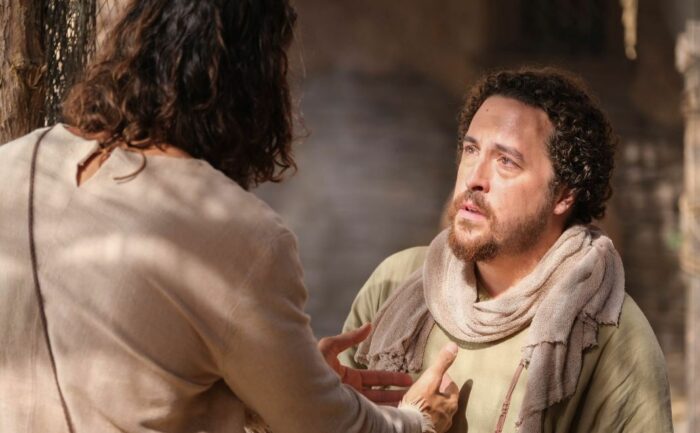
Jesus then lifts the gaze toward eternity. He speaks of the moment when one passes from this earthly life and stands before the Father in heaven. Drawing from the prophetic promise in Isaiah, He assures that in that realm, the individual “will leap like a deer.” This vivid imagery evokes freedom, joy, and complete restoration. The lame will run, the weary will soar, and every limitation imposed by mortal bodies will dissolve in the presence of divine glory. The reward, Jesus promises, will be great. This assurance reframes present suffering not as pointless hardship but as a temporary chapter in a much larger story of redemption.

The encouragement continues with practical wisdom for endurance: “So hold on a little longer.” These simple words carry immense weight. They acknowledge that the waiting is difficult, the pain is real, and the journey can feel exhausting. Yet they also instill perseverance. Jesus does not promise an immediate removal of trials. Rather, He invites the listener — and by extension, every viewer — to persist with hope anchored in future fulfillment. This message resonates powerfully in *The Chosen*, a series that consistently portrays disciples who struggle with doubt, fear, and personal inadequacies, only to discover purpose through their encounters with Christ.

A pivotal insight follows: true strength often emerges precisely from weakness. Jesus explains that when one discovers genuine power arising from vulnerability, and accomplishes significant works in His name despite limitations, the effects will echo through generations. This teaching echoes the Apostle Paul’s later reflection that God’s strength is made perfect in weakness. It challenges the common temptation to wait until one feels capable or “healed” before serving. Instead, it affirms that God delights in using imperfect vessels. The impact of faithful obedience, even when accompanied by frailty, carries eternal significance that outlasts the individual.
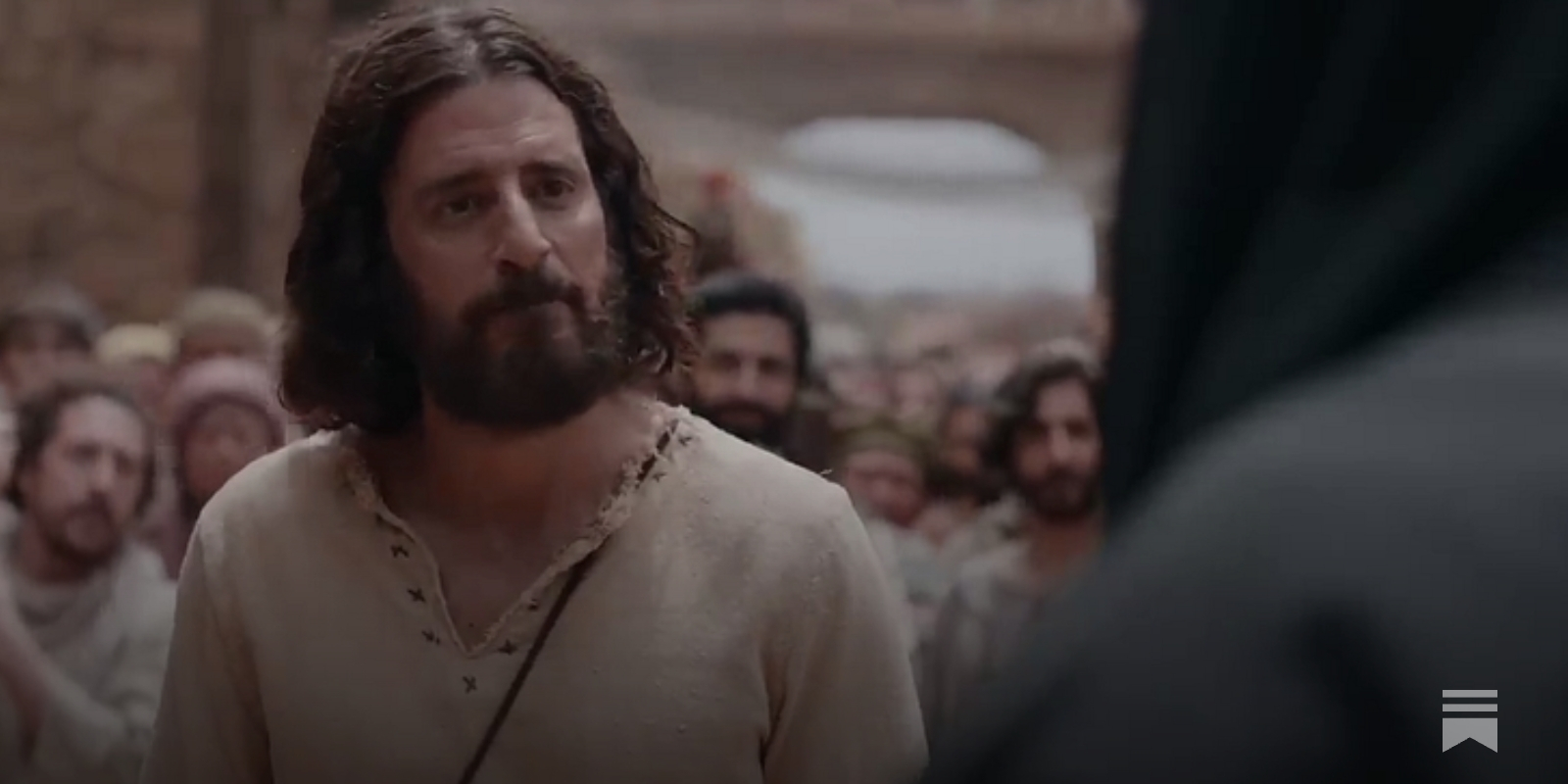
The scene closes with a gentle check for understanding: “Do you understand?” The response is a quiet but affirmative “Yes.” This exchange highlights the intimate, relational nature of Jesus’ ministry. He does not deliver a sermon from a distance but engages personally, ensuring the truth lands in the heart. In *The Chosen*, such dialogues humanize Jesus, showing Him as both divine teacher and compassionate friend who meets people exactly where they are.
This particular moment in the series invites deep reflection on several interconnected themes. First, it redefines value. Society often measures worth by productivity, appearance, or achievement. Jesus dismantles these standards, affirming that the Father’s love and approval rest on different foundations — faithfulness, humility, and dependence on Him. Second, it offers profound hope for those facing chronic illness, disability, aging, or any form of limitation. The promise of ultimate healing and joyful freedom in heaven provides comfort without denying present struggles.
Third, the scene underscores the power of endurance. “Hold on a little longer” becomes a mantra for anyone walking through seasons of waiting or discouragement. It suggests that perseverance itself is part of the testimony. When future generations look back, they may be inspired not by flawless strength but by steadfast faith amid weakness. This idea aligns with the broader narrative of *The Chosen*, which shows how ordinary, flawed individuals become instruments of extraordinary change through their relationship with Jesus.
Moreover, the reference to Isaiah enriches the scene with scriptural depth. The prophet Isaiah frequently spoke of restoration for God’s people, including physical healing and spiritual renewal. By invoking this imagery, Jesus connects His personal ministry to the long arc of God’s redemptive plan. It reminds audiences that the hope He offers is not a new invention but the fulfillment of ancient promises.
In today’s fast-paced culture, where social media amplifies highlights and hides struggles, this message feels especially timely. Many people silently battle feelings of inadequacy, comparing themselves to others who seem faster, stronger, or more impressive. Jesus’ words liberate viewers from such comparisons. They encourage embracing limitations as opportunities to experience God’s strength in unique ways. Whether one faces physical challenges, emotional burdens, or spiritual doubts, the invitation remains: hold on, trust in the Father’s care, and believe that present weaknesses can become platforms for lasting impact.
*The Chosen* excels at portraying these truths through compelling storytelling and authentic performances. Scenes like this one do more than entertain; they invite personal encounter with the character of Christ. They challenge believers to reexamine their understanding of strength and success. They comfort the weary and motivate the discouraged. Ultimately, they point toward the hope of heaven where every tear is wiped away and every limitation is transformed into freedom.
As Jesus speaks in this scene, His voice carries both authority and tenderness. He sees the struggle clearly yet sees beyond it to the glory that awaits. The promise ahead is not vague optimism but a guaranteed inheritance for those who trust in Him. For anyone feeling slowed down by life’s burdens, this portrayal offers a powerful reminder: your story is not defined by what you cannot do, but by the One who works mightily through your willingness to hold on and walk forward in faith. The impact of such a life truly can echo for generations. (Word count: 812)