aespa’s Karina experienced a difficult moment on the red carpet at the 2026 Met Gala, with video footage showing photographers appearing to ignore her and even mistaking her for BLACKPINK’s Jisoo. The incident has triggered strong reactions online, with many fans accusing the press of disrespectful behaviour and highlighting what they see as a pattern of bias against K-pop artists, particularly those from Asian backgrounds.

On May 4, 2026, Karina attended the prestigious event in a striking custom Prada gown inspired by traditional Korean hanbok elements. As one of the high-profile K-pop representatives, she posed gracefully on the steps of the Metropolitan Museum of Art. However, footage circulating on social media captured a noticeably subdued response from the photographers compared to the attention given to other celebrities. Some clips appeared to show her standing relatively unnoticed while others received enthusiastic calls and flashes.
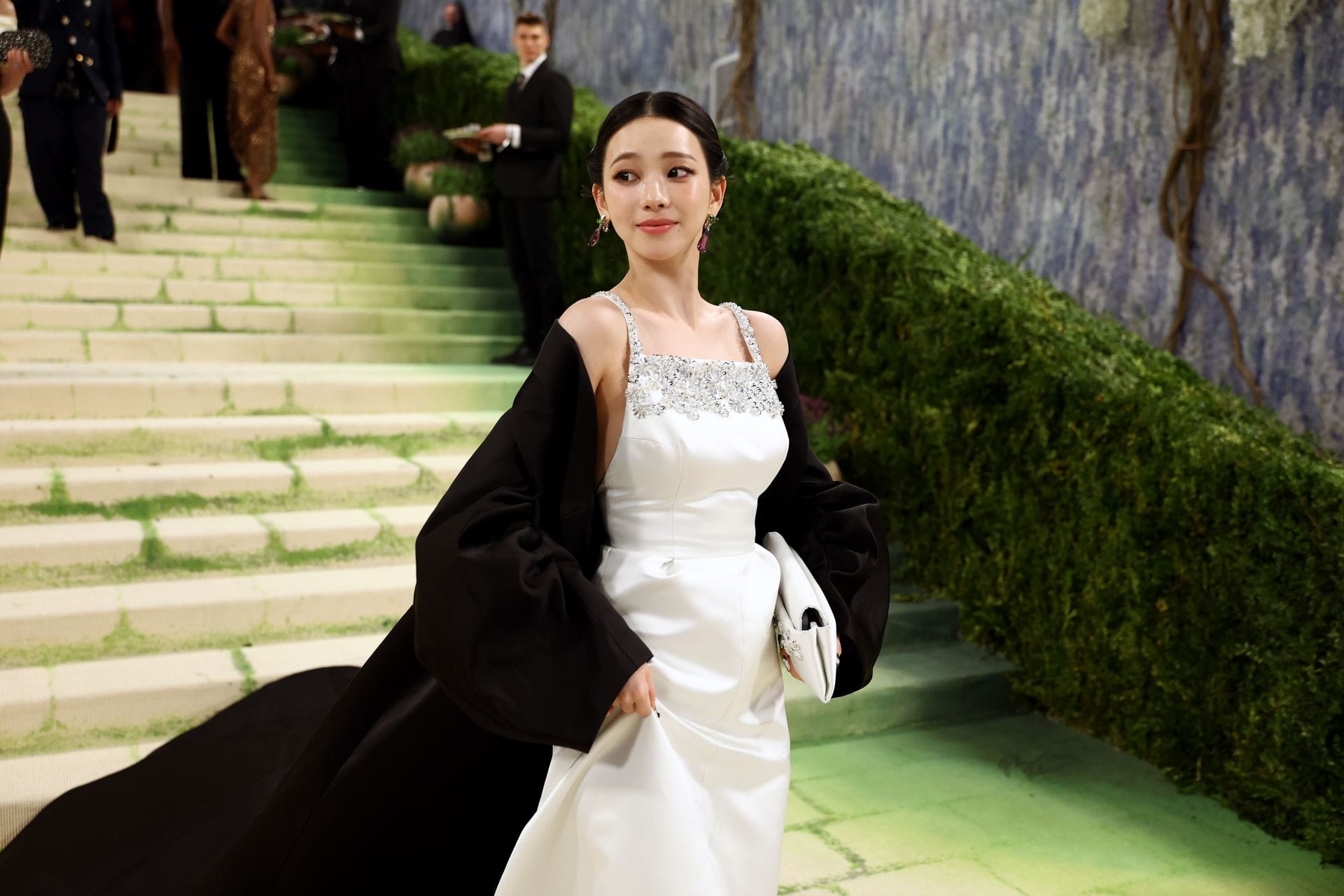
The situation escalated when reports emerged that one photographer mistakenly called out “Jisoo” while trying to get Karina’s attention. This mix-up quickly became a focal point of discussion, with netizens pointing out the problematic implication that the two idols look alike simply because they are both Korean. Fans expressed anger, describing the error as a clear example of racial stereotyping and a lack of basic preparation by the press. Comments such as “This is literally just racism” spread rapidly across platforms.

Many supporters defended Karina vigorously, arguing that the treatment created an uncomfortable environment for Korean artists at major Western events. They noted that K-pop idols often face similar issues, where photographers seem less familiar with them or prioritise bigger Hollywood names. Some observers suggested this reflected broader challenges Asian celebrities encounter on the global stage, despite their massive international followings.
not a single flash mind you https://t.co/VtlaBFZxgU
— sdl ٭ (@_sdl93) May 5, 2026
Not all reactions were supportive. A portion of online comments used the video to mock Karina, claiming she was not famous enough to command attention. These remarks drew backlash from the fandom, who viewed them as unfair and dismissive of aespa’s achievements. Defenders emphasised that Karina, as a global ambassador for Prada and a leading figure in K-pop, deserved the same level of professionalism afforded to other attendees.
The controversy has reignited conversations about how K-pop stars are received at events like the Met Gala. While the 2026 edition featured several idols, including BLACKPINK members and others, experiences varied widely. Fans pointed to past incidents where Asian artists received less enthusiastic coverage or faced similar misidentifications, suggesting a systemic issue rather than isolated mistakes.
Karina’s appearance itself received mixed but largely positive feedback for its elegant fusion of modern fashion and Korean heritage. Her poise and visual impact stood out, with many praising her as a strong representative for aespa and K-pop on one of fashion’s biggest nights. The incident with the photographers, however, overshadowed some of that appreciation in online discourse.
This event comes at a busy time for aespa, who are preparing for their upcoming album LEMONADE set for release later in May 2026. Karina’s participation in the Met Gala was seen as a significant milestone for the group’s global presence. Supporters hope the negative attention will not diminish the achievement and instead highlight the need for greater respect and cultural awareness from international media.
The broader debate touches on issues of representation and equity in the entertainment industry. As K-pop continues to expand its influence worldwide, artists and their fans increasingly demand equal treatment and recognition. Incidents like this serve as reminders that visibility on the red carpet does not always translate into respectful engagement from all professionals present.
As discussions continue, many are calling for better preparation from event staff and photographers when covering diverse line-ups. Accurate knowledge of attendees and consistent professionalism should be standard, regardless of an artist’s background or genre. For Karina specifically, fans hope she remains focused on her work and that future appearances bring more positive experiences.
The 2026 Met Gala once again proved to be a platform that generates both glamour and debate. While Karina’s look contributed to the artistic conversation of the night, the treatment she received highlighted ongoing challenges for K-pop idols navigating Western fashion events. As aespa and other groups grow in international stature, expectations for fair and respectful coverage are likely to rise accordingly.
In the end, the incident has united much of the K-pop community in support of Karina. It underscores the importance of cultural sensitivity and professional standards at high-profile gatherings. Fans will be watching closely to see how such matters evolve as more Asian artists take their place on the global stage.