Christina Alexandra Voros, a key producer and director on the Yellowstone spinoff Dutton Ranch, has broken her silence on the unexpected exit of the series’ creator and showrunner, Chad Feehan. The decision to part ways with Feehan, which came just weeks before the show’s premiere on May 15, 2026, has generated considerable discussion within the entertainment industry and among fans of the expanding Yellowstone universe. Voros, who directed the first two episodes of the new series, offered a measured and professional response when addressing the situation.
In an interview with ScreenRant, Voros chose to focus on the positive contributions Feehan made to the project rather than dwelling on the circumstances of his departure. She highlighted how effectively he had constructed a fresh narrative landscape for the beloved characters Beth Dutton and Rip Wheeler as they begin a new chapter away from the original Montana ranch. “I think Chad did an exceptional job building a world of adversaries for Rip and Beth to come up against in this new chapter of their lives,” she stated. Her comments reflect a desire to maintain respect for the collaborative process while acknowledging the creative foundation laid during pre-production and filming.

Feehan’s exit was first reported by outlets such as Entertainment Weekly and The Hollywood Reporter in late April 2026. Sources indicated that tensions had arisen during production, particularly regarding Feehan’s management style when working with the high-profile cast. Reports suggested that both Taylor Sheridan, the architect of the Yellowstone franchise, and executive producer David Glasser were dissatisfied with certain aspects of how the first season was handled. Despite these challenges, Feehan reportedly oversaw the completion of the inaugural season before his departure was confirmed.

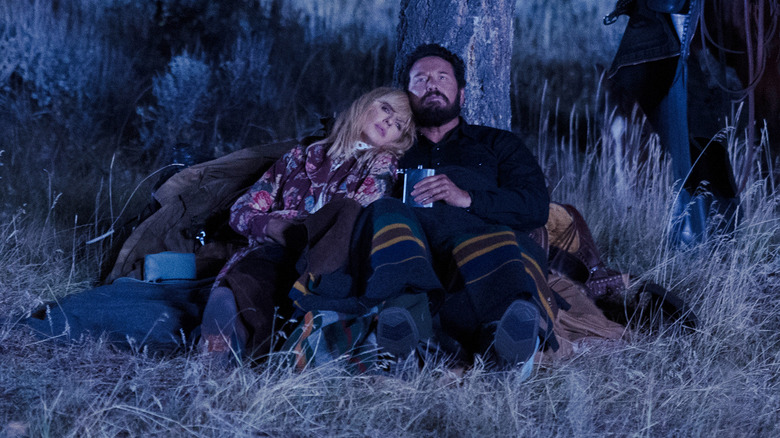
Dutton Ranch centres on Kelly Reilly’s Beth Dutton and Cole Hauser’s Rip Wheeler as they relocate to Texas and attempt to establish a new legacy while facing fresh threats and personal challenges. The series has been one of the most eagerly awaited additions to the Yellowstone family, building directly on the emotional core of the original show. With strong performances from returning stars and new additions like Ed Harris and Annette Bening, expectations remain high even amid the behind-the-scenes changes.
When asked about potential future seasons, Voros remained cautious and diplomatic. “Any speculation about a season 2 is beyond my knowledge,” she explained. This neutral stance is typical in an industry where creative and business decisions often remain confidential until official announcements are made. She concluded her remarks by expressing gratitude to Feehan and his team, saying she was thankful for the world they had created for these iconic characters to inhabit.

The situation highlights the complexities of managing large-scale television productions, especially within a franchise as successful and demanding as Yellowstone. Showrunner changes are not uncommon in Sheridan’s expanding universe, where the balance between creative vision, cast dynamics, and studio expectations can prove challenging. Feehan, who had been credited as creator and executive producer, brought significant experience to the role, but sources suggest that handling the bold personalities on set presented difficulties.
For Voros, stepping into a more prominent role during the early episodes allowed her to contribute directly to shaping the tone and visual style of Dutton Ranch. Her background in directing and producing has earned her respect in the industry, and her comments suggest a forward-looking approach focused on the quality of the finished product rather than internal conflicts. The series has already begun airing to mixed but generally positive early reactions, with praise directed at the performances of Reilly and Hauser as they navigate this new phase of their characters’ lives.
The broader Yellowstone ecosystem continues to thrive despite occasional turbulence. With multiple spinoffs in various stages of development, including Marshals and earlier prequels like 1883 and 1923, the franchise has demonstrated remarkable resilience. Fans remain deeply invested in the Dutton family saga, drawn to themes of loyalty, power, land, and moral complexity that define the brand.
Beth and Rip’s journey in Dutton Ranch represents both a continuation and a reinvention. After the intense events of the original series, the couple faces new adversaries and opportunities in Texas. The introduction of fresh conflicts allows the story to evolve while preserving the emotional intensity that made the flagship show so compelling. Voros’ positive assessment of Feehan’s world-building suggests that the foundational elements he established will continue to serve the series well moving forward.
As the first season unfolds, attention will naturally turn to whether the show can sustain momentum without its original showrunner. In many Sheridan productions, directors and executive producers often assume greater responsibilities when traditional showrunners step back. This flexible approach has proven effective in maintaining creative consistency across the universe.
Voros’ response strikes a careful balance between professionalism and appreciation. By choosing to highlight Feehan’s strengths rather than engaging with speculation about the reasons for his exit, she helps steer the conversation back to the work itself. This measured tone is likely to resonate with cast and crew members who prefer to focus on delivering quality entertainment to audiences.
Ultimately, the situation underscores the high-pressure environment of prestige television. Even successful projects can encounter significant changes behind the scenes. For Dutton Ranch, the early episodes directed by Voros have set a promising standard, and the strong performances from the central cast provide a solid foundation for future storytelling. As viewers continue to follow Beth and Rip’s latest adventures, the focus remains on the on-screen drama rather than off-screen developments.
The coming weeks will reveal how the series is received and whether additional seasons move forward under new leadership. In the meantime, producer Christina Alexandra Voros has offered a graceful and constructive perspective on a challenging transition, helping to keep the emphasis where it belongs: on the characters and the compelling world they inhabit.