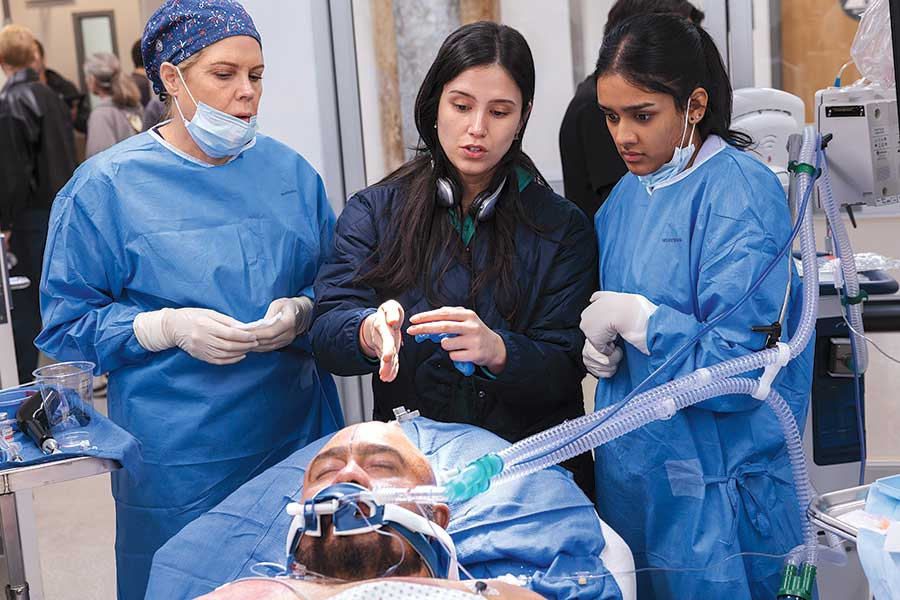
*The Pitt* is having a moment. With a whopping 25 Emmy nominations leading the pack, the medical drama is getting the recognition it deserves for its raw, no-filter look at life inside a busy ER. But while the awards buzz is cool, the show has already pulled off something way more meaningful: turning millions of viewers into lowkey public health advocates without them even realizing it. Noah Wyle and the team aren’t just making entertaining TV—they’re using stories to prep us for tough realities in a way facts and campaigns never could.
Every week, people willingly sit down for an hour and absorb health-related drama. No public health PSA or report reaches that many folks with that level of attention. TV has quietly become one of the strongest tools for shaping how we think about medicine, mental health, and systemic issues. *The Pitt* nails this by refusing to glamorize the chaos. Instead, it throws you into overcrowded waiting rooms, exhausted staff, violence against healthcare workers, addiction struggles, reproductive care debates, and the heavy emotional load doctors and nurses carry. It’s messy, human, and honest—exactly what makes it stick.

One standout episode shows an ER nurse named Dana handling a sexual assault case with total care and respect. Viewers see the trauma-informed exam step by step: consent checked repeatedly, the patient staying in control, dignity protected alongside evidence collection. Public health pros have pushed for years to get survivors to seek help through brochures, videos, and websites. But nothing beats watching it unfold with empathy on screen. That scene could reduce fear for someone who needs care later, help friends and family know what to say (or not say), or even inspire the next generation of Sexual Assault Nurse Examiners. Stories create emotional connections that data alone can’t touch.

This isn’t new. Think back to the ‘very special episodes’ of the ’80s and ’90s—they sparked dinner table talks about HIV, drunk driving, eating disorders, and more. Families learned together, sometimes cried together, and normalized tough conversations. Then *ER* came along for 15 seasons, teaching viewers about trauma care, organ donation, medical ethics, and burnout without them needing med school. *The Pitt* picks up that torch in the streaming era, making it feel fresh and urgent for today’s audience.
The power of narrative hits different because facts tell us what to do, but stories give us the courage to actually do it. Research backs this—when Pedro Zamora shared his HIV journey on *The Real World* in the ’90s, it cut through stigma in a way stats never could. People mourned him like a friend. On the flip side, Hollywood’s past glamorization of smoking in films influenced teens to light up. Once advocates pushed back, studios changed course, proving stories shape culture and behavior whether we like it or not.
*The Pitt* gets this balance right. It’s not preachy; it’s immersive. By showing the real toll—workforce shortages, misinformation, policy impacts—it helps viewers understand the bigger picture. With 25 Emmy nods, including strong acting categories, the industry is noticing the quality. But the deeper accomplishment is cultural: preparing people for hard moments, fostering empathy, and sparking conversations about healthcare access and support systems.
In a time when trust in institutions wavers and health challenges feel overwhelming, shows like this matter more than ever. They humanize complex issues, reduce fear through familiarity, and encourage better decisions. Public health agencies spend billions on campaigns that often miss the mark, but a hit series reaches living rooms organically and lingers in minds long after.
The show’s success also highlights collaboration between entertainment and experts. Groups like Hollywood, Health & Society connect writers with accurate info, ensuring stories educate without feeling forced. It’s a win-win: better TV that doubles as a public service.
For GenZ and younger viewers especially, *The Pitt* resonates because it doesn’t talk down. It shows mental health struggles, burnout, ethical dilemmas, and systemic failures in ways that mirror real anxieties. Watching characters navigate these makes the abstract feel personal. That emotional hook is what drives change—whether it’s someone seeking care sooner, supporting a friend, or advocating for better policies.
Awards season will celebrate the performances and writing, and deservedly so. But the real victory is how *The Pitt* has influenced thinking around healthcare without most people noticing they’re being “educated.” TV’s reach and emotional pull make it a powerhouse for good when done right.
As the series heads into more seasons, its impact will likely grow. By blending gripping drama with authentic insights, it proves storytelling belongs alongside vaccines and education as a key public health tool. Facts arm us with knowledge, but narratives give us the why and the how to care.
In the end, 25 Emmy nominations are impressive, but helping millions feel more prepared, empathetic, and informed? That’s the kind of legacy that actually changes lives. *The Pitt* isn’t just must-watch TV—it’s quietly doing vital work in a format we all crave. Keep it coming.