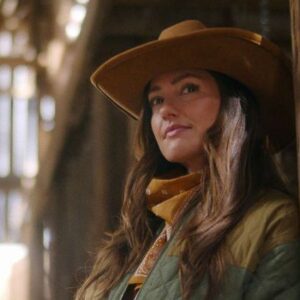
With the first Michael biopic enjoying strong box-office performance and audience enthusiasm, Lionsgate and producer Graham King are already preparing for a follow-up film. Director Antoine Fuqua has confirmed that roughly one-third of the sequel script is complete, and studio executives have signalled readiness to move forward quickly if demand remains high. As anticipation builds, fans and cultural commentators have compiled a clear wishlist of moments and storylines they believe must feature in the next instalment to deliver a more complete portrait of the King of Pop.
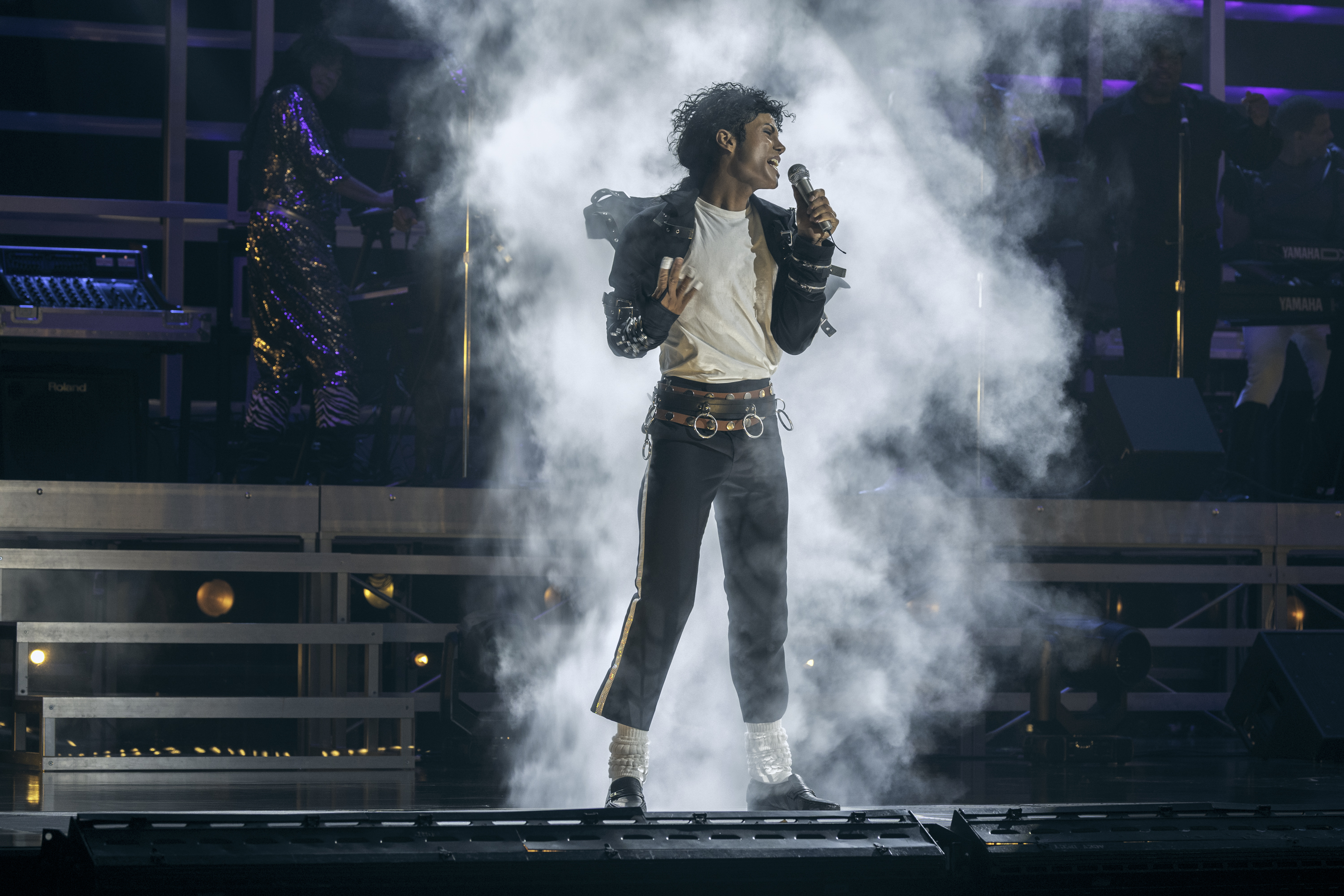
The original film concluded around 1987–1988, ending on a high note with the Bad album and tour. A sequel would naturally pick up from this point, exploring the transformative and often turbulent years that followed. One of the top requests is a detailed depiction of the creation and cultural impact of the Bad music video and era. Audiences want to understand the deliberate shift away from the Thriller image toward a tougher, leather-clad persona with bolder choreography and more provocative stage presence. Many believe the film should examine the media’s role in pushing Jackson toward this reinvention.
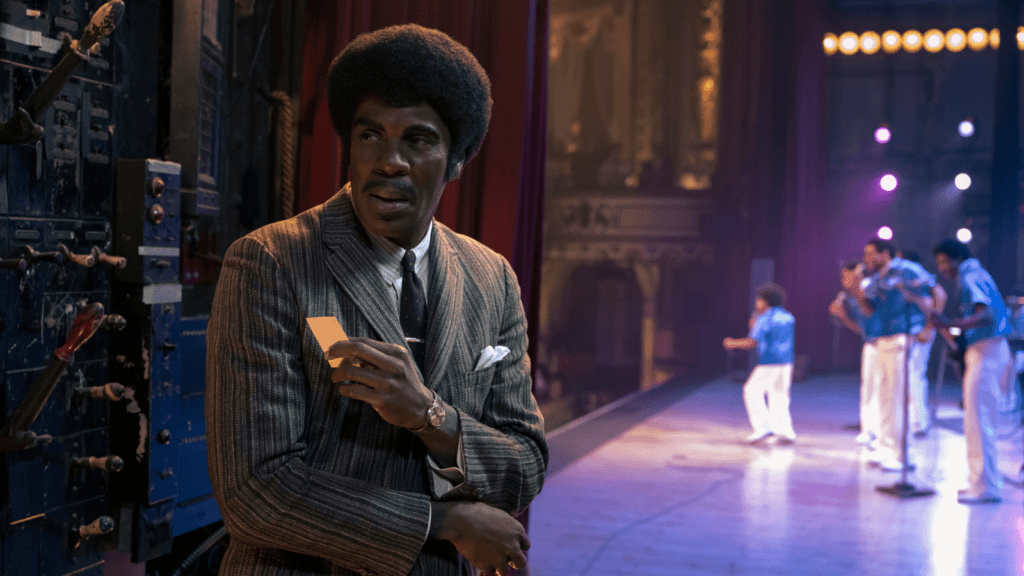
Family dynamics after the Victory Tour also rank high on the list. The first movie showed Jackson announcing the end of the brothers’ joint performances during the final Los Angeles show. The sequel should delve into the fallout, particularly the strain it placed on his relationships with his siblings and father Joe Jackson. This period marked Jackson’s full transition to a solo superstar and further complicated already complex family ties.
Another key omission from the first film that fans insist must appear is the recording of “We Are the World” in 1985. The star-studded charity single, produced with Quincy Jones and Lionel Richie, brought together an unprecedented array of artists. Including this iconic, slightly chaotic session would highlight Jackson’s humanitarian side and collaborative spirit during his peak years.
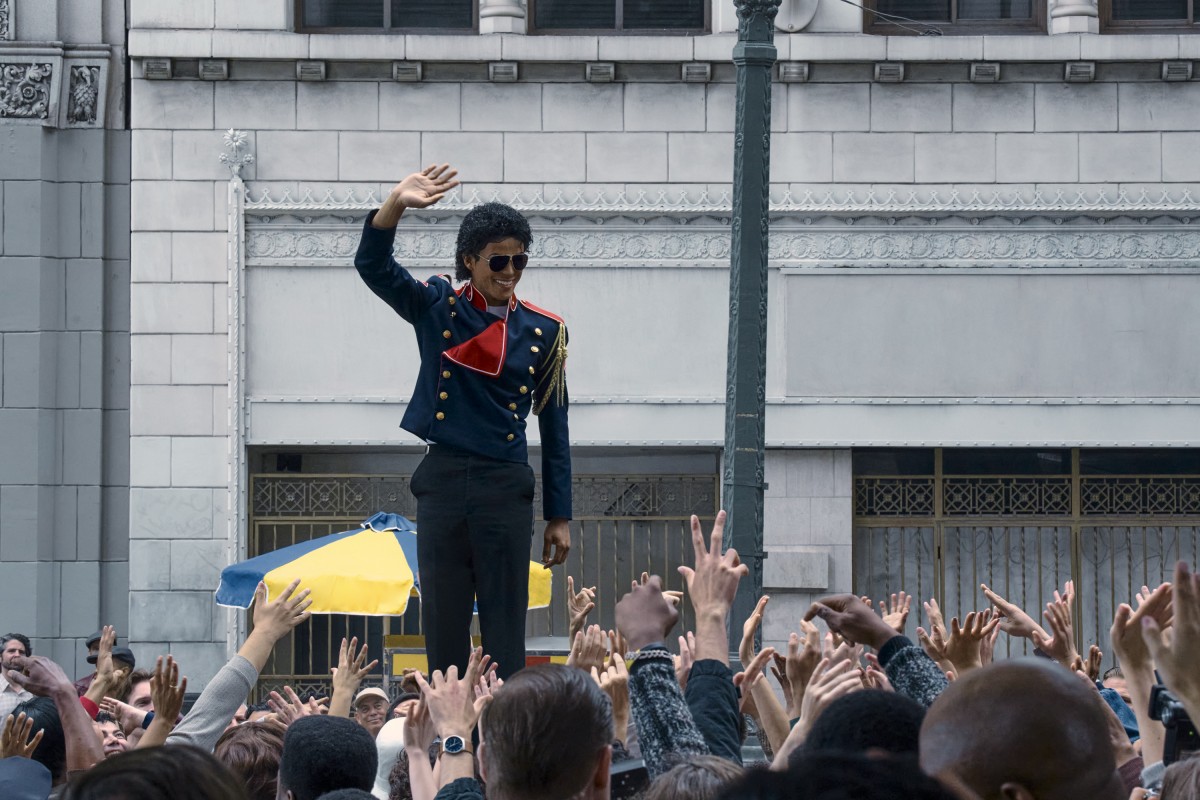
No comprehensive look at Jackson’s later career would be complete without his legendary 1993 Super Bowl XXVII Halftime Show. Widely regarded as one of the greatest live performances in sports entertainment history, the spectacle set a new standard for the event. Some fans also hope the film acknowledges how the Wayans family’s work on In Living Color helped pave the way for this groundbreaking moment.
Business decisions feature prominently on the wishlist too. Jackson’s 1985 purchase of the ATV Music Publishing catalogue — which included most of The Beatles’ songs — caused a major rift with Paul McCartney and drew criticism from industry executives who felt he was becoming too powerful. Exploring this episode would illustrate Jackson’s sharp business acumen alongside the personal and professional consequences.
The acquisition and life at Neverland Ranch is another essential chapter. Fans want to see how Jackson’s fascination with Peter Pan inspired the creation of the sprawling estate, complete with its amusement park, zoo, and fantasy elements. While acknowledging its later association with serious allegations, the film could also portray the ranch as a place of wonder and escape for the artist.
Jackson’s personal relationships deserve deeper exploration. His high-profile marriage to Lisa Marie Presley, complete with memorable public appearances, and his subsequent relationship with Debbie Rowe — which resulted in the birth of two of his children — remain areas of public fascination. These storylines would add emotional layers to the narrative beyond his musical achievements.
Iconic music videos and films must also receive proper attention. The surreal Moonwalker project, the gravity-defying “Smooth Criminal” with its signature lean and white suit, and the lavish “Remember the Time” video directed by John Singleton and featuring Eddie Murphy and Iman are all considered non-negotiable highlights.
Perhaps most anticipated — and controversial — is honest treatment of the child sexual abuse allegations from 1993 and 2003, along with the 2005 criminal trial. The first film avoided these topics entirely, drawing criticism for sanitising Jackson’s story. Many argue the sequel must confront them directly, showing the accusations, legal proceedings, and acquittal without evasion.
Significant media interviews, particularly the 1993 Oprah Winfrey special and the 2003 Martin Bashir documentary Living with Michael Jackson, shaped public perception and should feature in some form. Finally, the film will likely need to address Jackson’s untimely death in 2009, the circumstances surrounding it, and the chaotic aftermath involving his physician and estate matters.
As development continues, these elements could transform the sequel from a simple continuation into a more nuanced and definitive cinematic account. With producer Graham King and director Antoine Fuqua already invested, the project has strong potential to satisfy fans who felt the first film only told part of the story. Whether the final script incorporates all these demands remains to be seen, but expectations are already running high for a bolder, more comprehensive follow-up.