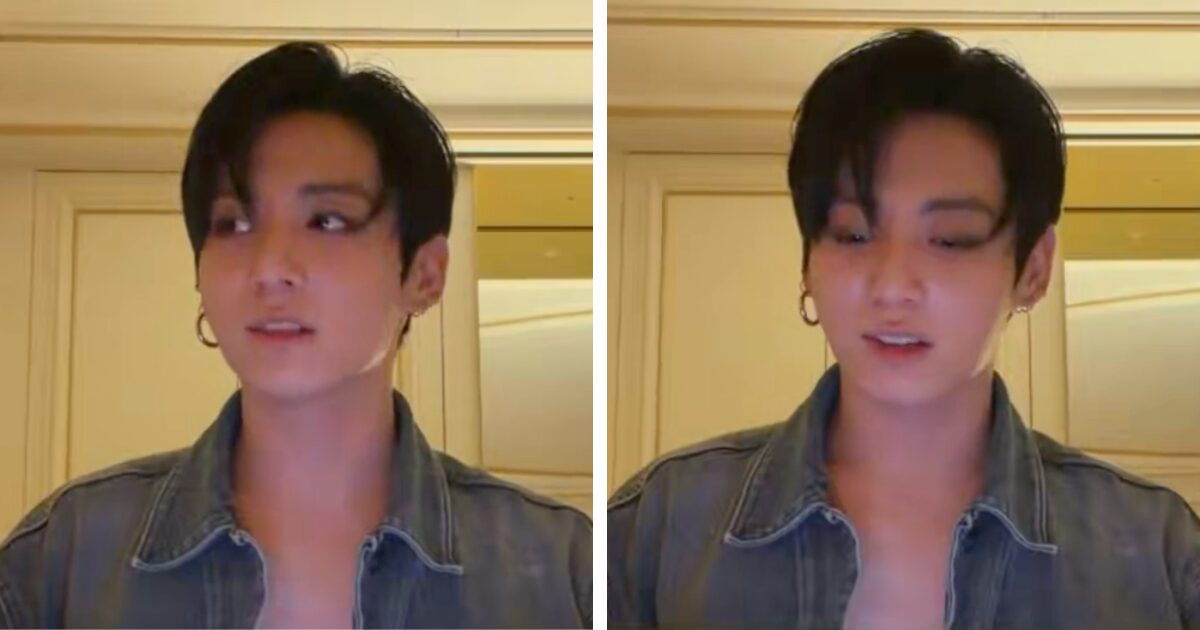
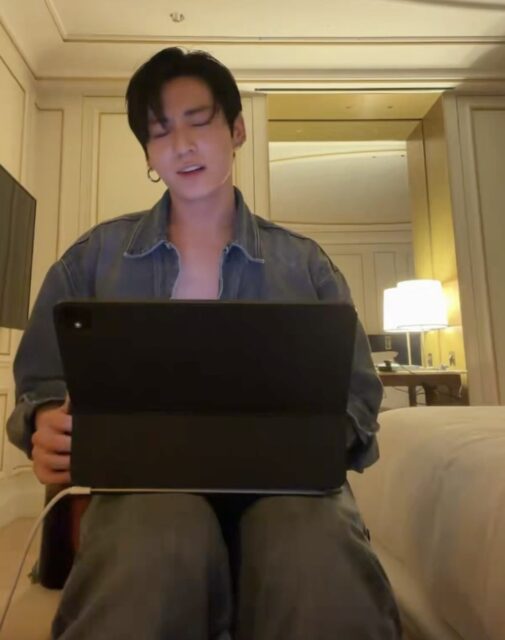
BTS member Jungkook continues to capture hearts not just through his incredible talent and stage presence, but through his genuine, unfiltered moments with fans that feel increasingly personal and relatable. In a relaxed Weverse live broadcast from his hotel room in Spain on June 28, the idol once again lowered his guard, sharing candid thoughts that sparked a heartfelt wave of mixed emotions across the ARMY community. While chilling, reacting to music, and enjoying casual vibes— including jamming along to RIIZE’s “Do your dance”—Jungkook opened up about his struggles in high-pressure social environments like Fashion Week events.
He mentioned how both V and J-Hope seem to genuinely enjoy attending these glamorous gatherings, but for him, they often feel like absolute torture. Jungkook described the physical and mental toll in vivid detail: getting extremely sweaty, the inability to engage in easy small talk, and finding direct eye contact almost impossible. He explained that focusing on someone’s eyes in those moments feels overwhelmingly scary, to the point where he actively avoids it just to get through the event. These revelations paint a picture of someone who, despite thriving in front of massive stadium crowds during concerts, finds certain intimate or crowded social settings deeply draining and anxiety-inducing.
This isn’t the first time Jungkook has been this transparent with fans. He previously opened up about having ADHD, a disclosure that came after facing some criticism and helped explain aspects of his energetic, sometimes restless on-camera behavior that many had already noticed and related to. His live streams have become a signature way for him to connect—often lasting hours—where he shares random thoughts, daily life updates, and deeper reflections without much filtering. It’s this authenticity that makes him stand out in an industry where idols are frequently expected to maintain a polished, larger-than-life image at all times.
The latest confession quickly went viral among fans, with many interpreting it through the lens of neurodivergent experiences. Jungkook’s description of feeling like he was “dying” inside during these overstimulating situations struck a powerful chord. For people who deal with social anxiety, sensory overload, or similar challenges in everyday interactions, hearing a global superstar articulate those exact feelings created an instant sense of validation and solidarity. At the same time, it left many feeling a pang of sadness, knowing how much effort it must take for him to navigate these environments while maintaining his cheerful public persona.
Social media lit up with emotional responses that captured the complexity perfectly. Some fans shared how their chests literally hurt thinking about Jungkook pushing through that discomfort, especially given the intense scrutiny he faces daily. Others expressed a bittersweet mix—grateful that he feels safe enough within the ARMY space to voice these struggles, while heartbroken that someone so beloved still battles these internal hurdles. Many neurodivergent ARMYs posted about feeling profoundly “seen,” describing their own parallel experiences in school, work, or social gatherings where the pressure to perform “normal” interactions becomes exhausting. It sparked broader conversations about mental health awareness, the hidden costs of fame, and how neurodiversity manifests differently for everyone, even those living what looks like a dream life from the outside.

Jungkook’s willingness to share these vulnerabilities adds meaningful depth to his image as the golden maknae. He’s long been celebrated for his versatility—singing, dancing, producing, and excelling across creative fields—but these moments reveal the very human person behind the superstar. In a fast-paced K-pop landscape that demands constant energy and charisma, his openness normalizes the idea that it’s okay to have limits, to feel overwhelmed, and to talk about it. It also strengthens the unique parasocial bond ARMYs feel, turning casual live streams into supportive communities where fans exchange their own stories and encouragement.
As reactions continue to pour in, this episode highlights Jungkook’s growth in comfort with self-disclosure. From playful, lighthearted content to more introspective shares, he seems to be carving out space for balance—entertaining while also processing life’s complexities in real time. For fans, it’s a reminder that even idols with seemingly unlimited talent and success carry their own invisible battles. Jungkook’s honesty not only humanizes him further but also encourages wider empathy and understanding around neurodivergent experiences and social anxiety in high-pressure environments.
Whether he’s vibing to new releases, reflecting on daily life, or sharing these deeper insights, Jungkook’s live sessions remain a highlight for millions. This particular stream, blending fun reactions with profound vulnerability, perfectly encapsulates why his connection with fans feels so special. It’s more than entertainment—it’s a space for mutual growth, acceptance, and quiet strength. As BTS members continue their individual journeys, moments like these keep the spirit of the group alive through personal authenticity that resonates far beyond the music.