The Netflix adaptation of Shelby Van Pelt’s bestselling novel Remarkably Bright Creatures has captured hearts with its touching story of grief, friendship, and the unexpected bonds that heal us. At the center of this emotional drama is a remarkable giant Pacific octopus named Marcellus, whose clever and mysterious presence drives much of the narrative. In a recent interview, stars Sally Field and Lewis Pullman opened up about the unique challenges and joys of working with their eight-limbed co-star, revealing how the creature became one of the most beloved — and carefully protected — elements of the production.
Field, who plays Tova, the grieving widow working the night shift at a small-town aquarium, spoke with visible affection about her scenes involving Marcellus. The Oscar-winning actress described the octopus as “too precious” to fully reveal the filmmaking secrets behind their interactions. Both she and Pullman, who portrays the young drifter Cameron, admitted they are still “finding their legs” when discussing how the scenes were created. Their hesitation to spoil the magic speaks volumes about the care taken to preserve the wonder of the story — both for audiences and for themselves during filming.
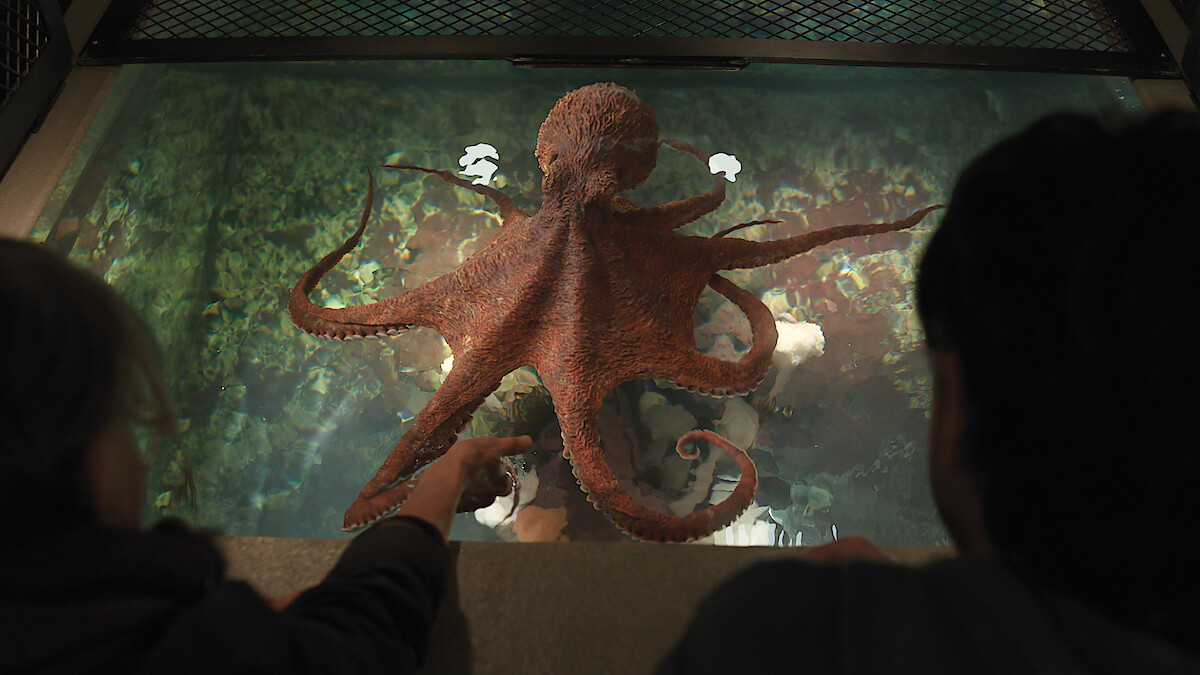
The film follows Tova as she forms an unlikely friendship with Marcellus while cleaning the aquarium after hours. Through this bond, she begins to process the loss of her son and finds unexpected connections with Cameron, a troubled young man searching for purpose. Alfred Molina provides the voice of Marcellus, bringing witty observations and profound insights from the octopus’s perspective. This narrative device adds depth and whimsy to what could have been a straightforward drama, turning the story into a meditation on loneliness, intelligence in unexpected places, and the healing power of connection.

Field and Pullman’s reluctance to dive into technical details about Marcellus highlights a key aspect of the production: the desire to maintain the illusion and emotional truth of the character. They hinted that some scenes featured practical elements while others relied on visual effects, but they were careful not to break the spell. “He remained so magical to us,” they shared, underscoring how the octopus became more than just a prop or CGI creation — it evolved into a genuine co-star that influenced their performances.
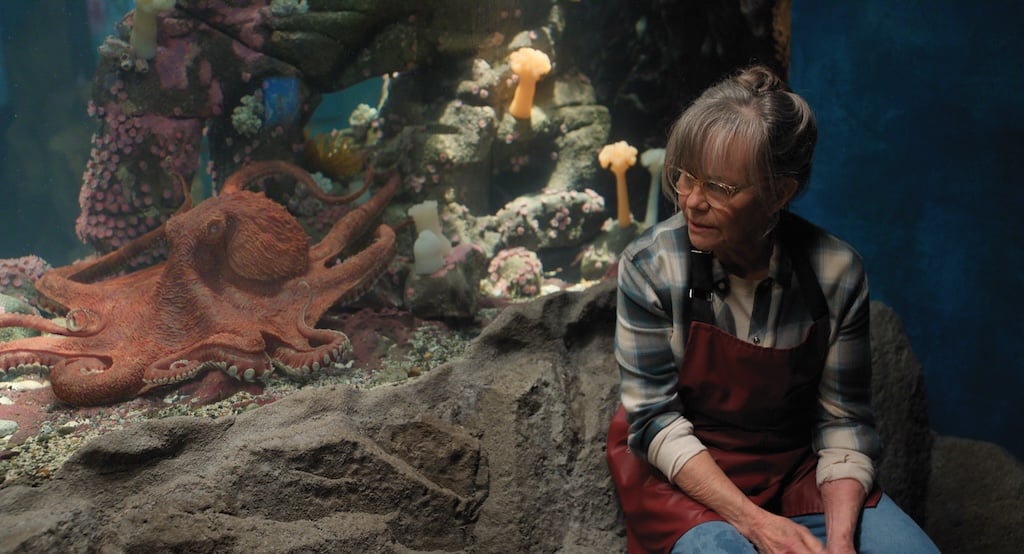
Director Olivia Newman’s adaptation stays faithful to the spirit of Van Pelt’s novel while expanding its emotional scope for the screen. The story’s blend of mystery, humor, and heartfelt drama has resonated strongly with viewers since its release. Field, in particular, brought a quiet strength and vulnerability to Tova that many critics have praised as one of her finest recent performances. Her ability to convey deep sorrow alongside moments of quiet wonder opposite Marcellus creates some of the film’s most memorable sequences.

Pullman, stepping into a more youthful and restless role, found the dynamic with both Field and the octopus enriching. His character’s journey of self-discovery mirrors Tova’s in surprising ways, and their growing friendship forms the emotional core of the story. The young actor spoke warmly about how working with a screen legend like Field elevated his own performance, while the octopus scenes added an element of unpredictability and joy to the shoot.
The film’s success lies in its delicate balance. It never feels overly sentimental, thanks to sharp writing and grounded performances, yet it delivers genuine emotional catharsis. Marcellus serves as both comic relief and philosophical guide, offering observations on human nature that are as entertaining as they are insightful. His voiceover narration provides a fresh perspective that elevates the material beyond a simple tale of loss and redemption.
For Field, the role resonated on a personal level. As an actress with decades of experience portraying complex women, she found Tova’s quiet resilience and late-night conversations with an octopus both charming and profound. The night-shift aquarium setting creates an intimate, almost dreamlike atmosphere that allows for deep character exploration. Pullman, meanwhile, brought a raw authenticity to Cameron’s struggles, making his transformation feel earned and believable.
The adaptation has sparked renewed interest in the original novel, with many readers discovering or revisiting the book after watching the film. Its themes of found family, the intelligence of animals, and the importance of human connection feel especially timely in today’s often disconnected world. The movie’s gentle pacing and focus on character development offer a refreshing contrast to more high-octane blockbusters, proving that quiet stories can still pack a powerful emotional punch.
As audiences continue to discover Remarkably Bright Creatures, the praise for its leads and the clever integration of Marcellus only grows. Field and Pullman’s protective attitude toward their cephalopod co-star reflects the affection the entire cast and crew developed for the project. Their interviews reveal not just professional pride but a genuine emotional investment in telling a story that celebrates empathy across species and generations.
In the end, Remarkably Bright Creatures stands as a testament to the magic that happens when exceptional actors, thoughtful direction, and a compelling source material come together. Whether through Tova’s quiet strength, Cameron’s hopeful journey, or Marcellus’s remarkably bright observations, the film reminds us that healing often comes from the most unexpected places — and sometimes, those places have eight arms and a mischievous personality.