BTS’s recent concerts in the United States during the ARIRANG World Tour have generated significant buzz back home in South Korea, with photos and videos of the diverse audience drawing strong positive reactions from netizens. The three sold-out shows at Raymond James Stadium in Tampa, Florida, attracted an estimated total of 190,000 attendees, but it was the broad demographic makeup of the crowd — spanning different genders, races, and age groups — that particularly captured attention and sparked pride among Korean fans.
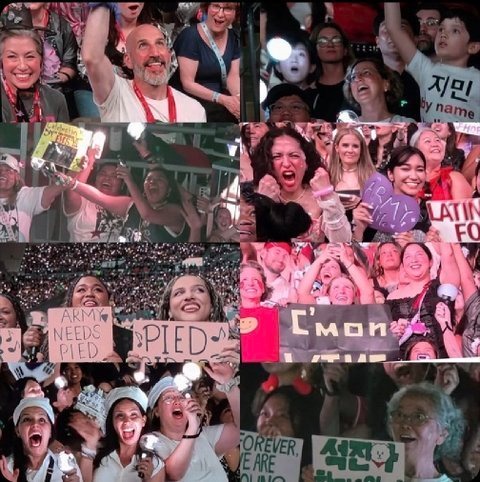
Following the highly successful leg of the tour in South Korea and Japan, BTS opened their North American dates with an impressive run in Tampa. The scale of attendance in a relatively modest-sized city underscored the group’s enduring global appeal, especially as they transition into a more mature phase of their careers. Rather than focusing solely on the numbers, Korean online communities have been highlighting the inclusive and celebratory atmosphere visible in crowd footage, describing the scenes as resembling a large-scale festival rather than a typical idol concert.
A viral post on Nate Pann drew particular interest by showcasing images of enthusiastic fans of all backgrounds enjoying the performances. The original poster emphasised how BTS had successfully attracted a truly diverse audience, something many viewed as evidence of the group’s mainstream breakthrough in the American market. Comments under the post praised the visible joy on attendees’ faces, noting the wide range of people united by their love for the music — from young children to middle-aged adults, and from various ethnic backgrounds.

Netizens were especially impressed by the strong presence of male fans, which challenged lingering stereotypes about K-pop. Some recalled past criticisms that dismissed the genre as “emasculation” or unsuitable for certain demographics due to idols’ styling and concepts. However, footage from the Tampa shows revealed a noticeable number of athletic-looking men, students, and older male supporters fully engaged in the experience. This shift was seen as a significant cultural milestone, demonstrating that BTS have transcended traditional boundaries and become artists with universal appeal.
One commenter highlighted Tampa’s context: a city of around 400,000 residents not typically known as a major entertainment hub. The fact that BTS could fill a large stadium for three consecutive nights — something even major Western stars like Beyoncé or Post Malone might struggle to achieve — was interpreted as proof of their exceptional status. Another user described the event as feeling more like a vibrant festival than a standard concert, pointing to the powerful collective sing-alongs and the overall energetic atmosphere.

The reactions also touched on BTS’s evolving position in the global music industry. As the members enter their thirties and explore more mature artistic directions, their ability to maintain and expand a broad fanbase is viewed as key to long-term success. The increasing male fanbase, alongside strong support from different age groups and international audiences, is considered a marker of genuine mainstream acceptance rather than niche popularity.
Many Korean netizens expressed genuine happiness and pride seeing such inclusive crowds. Comments frequently mentioned how refreshing it was to witness fans of all kinds singing along enthusiastically, dressed in tour merchandise and lightsticks. This diversity was contrasted with earlier perceptions of K-pop as primarily appealing to young female audiences in Asia, reinforcing the narrative of BTS as a global cultural phenomenon.

The discussion reflects broader pride in South Korea’s soft power through music. BTS’s achievements continue to elevate the country’s image internationally, and moments like these US concerts serve as visible proof of that influence. Netizens appreciated how the group’s music and message have created a welcoming space that transcends language, culture, and demographics, fostering a sense of shared celebration.
While the focus has been overwhelmingly positive, some observers noted the contrast with domestic perceptions. In South Korea, where BTS’s popularity is already well-established, seeing such widespread international enthusiasm reinforces their status as national treasures. The strong turnout in the US has also sparked conversations about the group’s potential to influence future generations of artists and fans worldwide.
As BTS continue their ARIRANG World Tour across North America, these early shows have set a high bar for audience engagement. The viral crowd photos and videos from Tampa have not only boosted morale among Korean fans but also highlighted the group’s unique ability to bring people together. Whether through powerful performances, emotional ballads, or high-energy anthems, BTS have created an experience that resonates across boundaries.
For many, these reactions serve as a reminder of why BTS remain one of the most influential acts in modern music. Their concerts are no longer just performances — they have become cultural events that celebrate diversity, joy, and connection. As the tour progresses, Korean netizens and global ARMY alike will be watching to see how this inclusive energy continues to manifest in different cities.
The strong audience response in the United States has further solidified BTS’s legacy as artists who break barriers. In an industry often segmented by demographics, their ability to draw such a varied crowd stands as testament to the universal power of their music and message. As discussions continue online, one thing remains clear: BTS’s impact extends far beyond record sales and chart positions — it lies in the diverse faces smiling together under the stadium lights.