Taylor Sheridan’s The Madison, which premiered on Paramount+ in March 2026, marks a deliberate shift from the high-stakes action and political intrigue of his Yellowstone universe. Starring Michelle Pfeiffer as Stacy Clyburn and Kurt Russell as her husband Preston, the series centers on a wealthy New York family reeling from a devastating plane crash that kills Preston and his brother Paul. Rather than focusing on external conflicts, the show immerses viewers in the raw, prolonged process of mourning, family fractures, and tentative healing amid Montana’s sweeping landscapes. This intimate approach has divided audiences and critics alike, sparking heated discussion about its portrayal of grief.
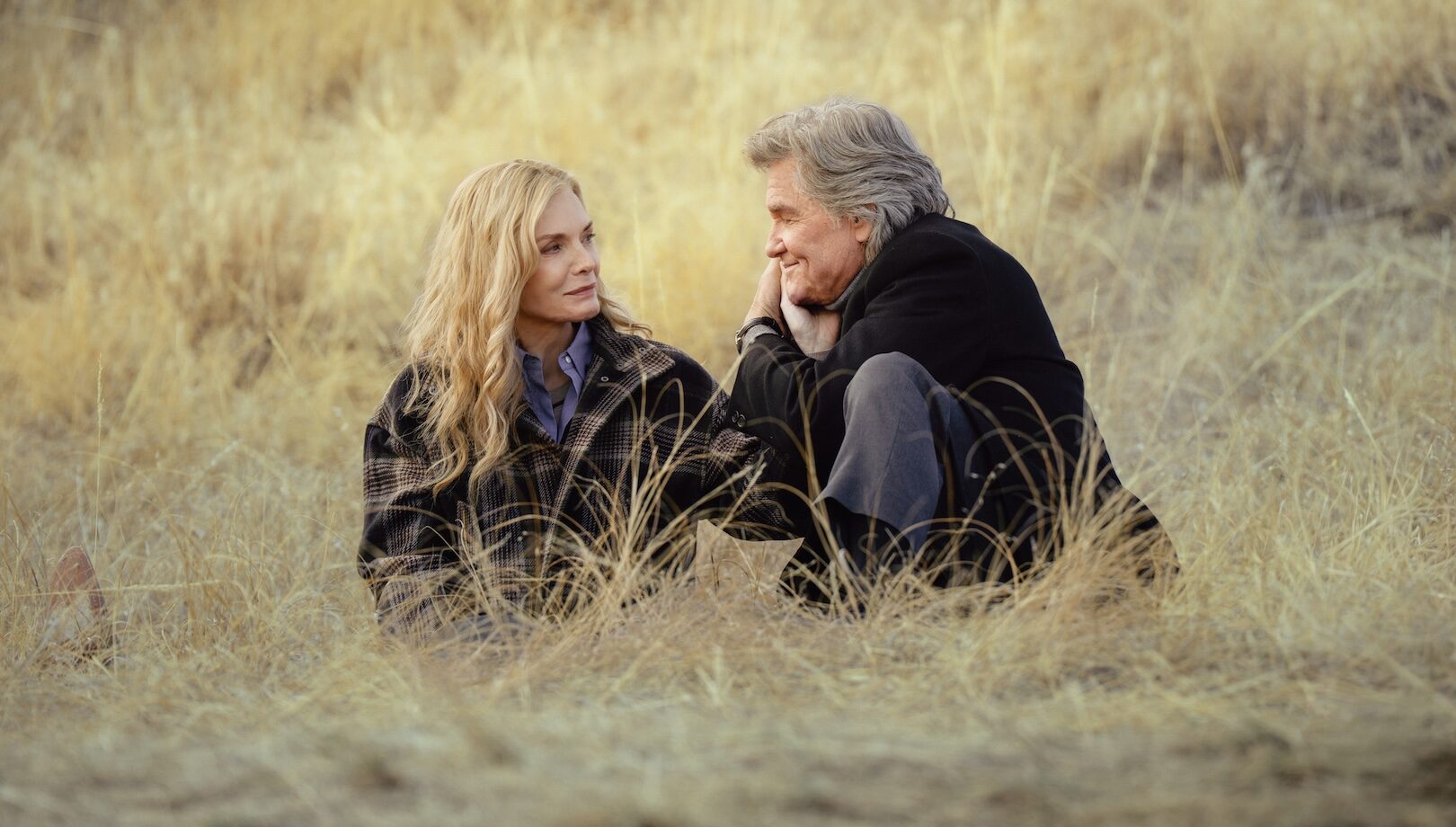
Many viewers and reviewers have praised the series for its unflinching authenticity in depicting bereavement. Pfeiffer’s performance stands out as a masterclass in emotional nuance. She conveys layers of rage, denial, guilt, and quiet resilience as Stacy navigates life without the man who defined her world for decades. Scenes of her silently processing loss—staring at the river, collapsing at the graveside, or confronting family members—have moved audiences to tears. Widows and those who have experienced profound loss frequently describe her work as one of the most realistic portrayals of grief they have seen on screen. Supporters hail the show as a profound tearjerker that honors the enduring power of long-term marriage and the messy bonds of family.

The emotional depth extends beyond Pfeiffer. Flashbacks reveal the couple’s loving history, making Preston’s absence feel palpably real. The series explores how different family members cope: some withdraw, others lash out, and some seek solace in Montana’s natural beauty. For many, this makes The Madison cathartic. It validates the non-linear nature of mourning—the way sorrow can coexist with moments of laughter, anger with tenderness, and despair with unexpected clarity. In an era of fast-paced television, the show’s willingness to linger in discomfort has resonated as a respectful meditation on human vulnerability.
However, not everyone shares this enthusiasm. A vocal group of critics and longtime Sheridan fans have dismissed the grief-focused narrative as overly sentimental “drippy drama.” They argue that the series wallows in woe without sufficient depth or progression, relying heavily on swelling orchestral scores, lingering landscape shots, and repeated emotional outbursts rather than substantive character development. Some reviewers note that while the themes of loss and redemption are universal, the execution feels heavy-handed and predictable, bordering on melodrama or even “grief porn.”

Disappointment runs particularly high among Yellowstone enthusiasts. Accustomed to ranch wars, moral dilemmas, and bursts of violence, these viewers find The Madison painfully slow and introspective. With minimal plot momentum—much of the story involves characters ruminating, arguing, or sitting with their feelings—the series lacks the adrenaline that defined Sheridan’s earlier works. Flashbacks, while intended to add emotional layers, frustrate some who see them as repetitive and disruptive. For those seeking escapist entertainment or complex intrigue, the show’s deliberate pace and focus on quiet introspection feel like a letdown.

This divide highlights broader tensions in Sheridan’s evolving body of work. The Madison consciously prioritizes character-driven emotion over plot mechanics, allowing actors like Pfeiffer and Russell ample space to explore inner lives. Director and cinematographer Christina Alexandra Voros captures Montana’s majesty in ways that mirror the characters’ internal states—vast, beautiful, yet isolating. Yet this artistic choice comes at a cost for fans craving the cinematic tension of Sheridan’s Western dramas.
Defenders counter that genuine grief is rarely tidy or action-packed. By slowing down, the series mirrors reality: healing does not follow a neat three-act structure. It demands patience, repetition, and uncomfortable silences. Pfeiffer’s textured portrayal—shifting from elegant Manhattan matriarch to a woman unraveling and rebuilding—elevates the material, earning early Emmy predictions. Her chemistry with Russell in flashbacks adds poignancy, underscoring what has been lost.
Ultimately, reactions to The Madison’s handling of grief reveal personal expectations about storytelling. Those seeking emotional catharsis and relatable human drama celebrate its sincerity and Pfeiffer’s powerhouse acting. Others, hoping for Sheridan’s signature intensity, find it mired in sentimentality and lacking forward drive. The series does not shy away from pain; it dwells in it, using Montana as both backdrop and metaphor for renewal.
Whether viewed as a sensitive exploration of loss or an indulgent tearjerker, The Madison confirms Sheridan’s range as a creator. It invites audiences to sit with sorrow rather than escape it, reminding us that profound healing often emerges not from dramatic resolution but from enduring the quiet, messy aftermath of love and absence. In a television landscape dominated by spectacle, this commitment to emotional honesty—flaws and all—makes the show a polarizing yet memorable addition to Sheridan’s universe.