Two Euphoria cast members have now opened up about the emotional and creative limits they faced while working on some of the show’s most disturbing material, and their comments reveal a side of the series that feels far more uneasy than its glossy visuals ever suggest.
Sydney Sweeney, who plays Cassie, recently spoke about pushing back on certain topless scenes written for her character and how creator Sam Levinson responded when she did. Her account cuts directly against the assumption that every intimate moment on Euphoria was treated as non-negotiable. According to Sweeney, there were specific times when Cassie was meant to appear shirtless, but she did not believe the nudity actually served the scene. Rather than forcing the moment through, Levinson listened.
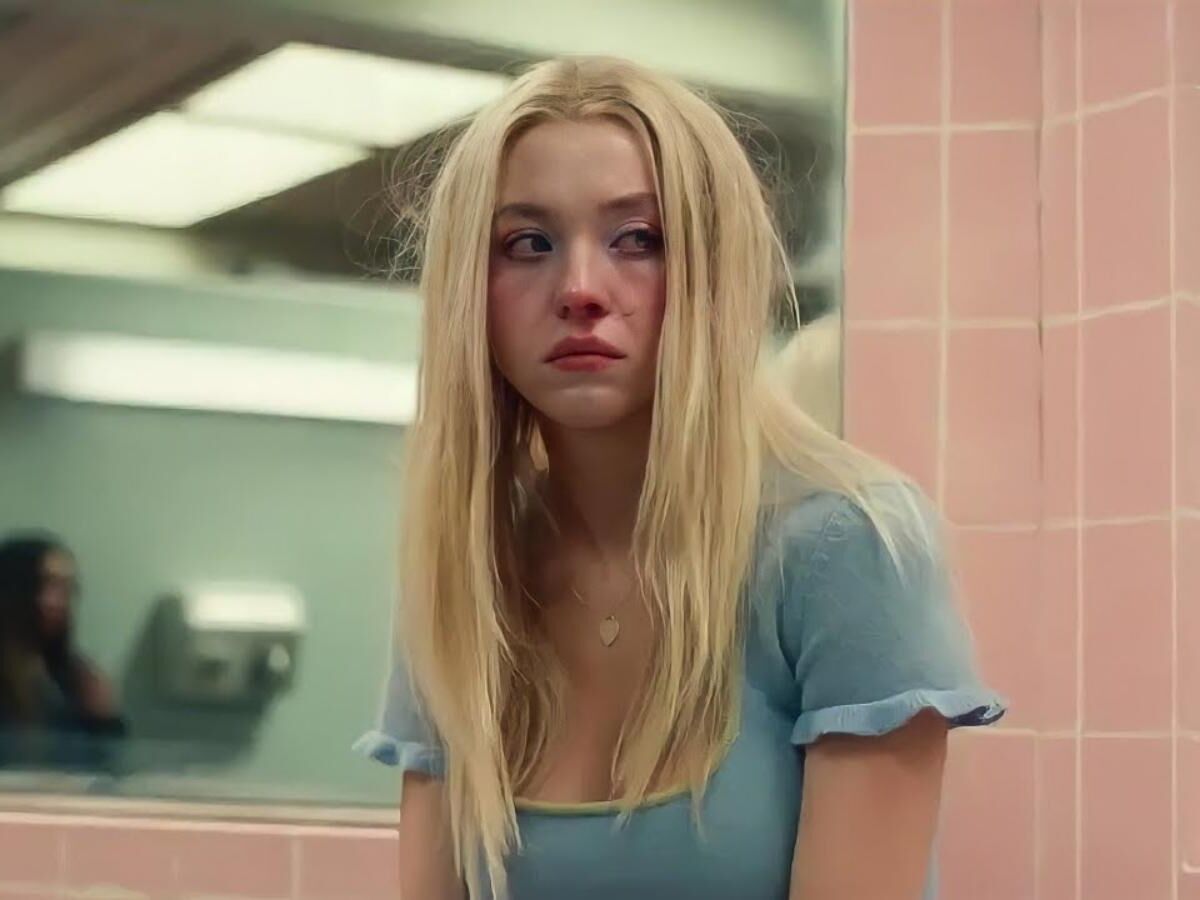
“There are moments where Cassie was supposed to be shirtless and I would tell Sam, ‘I don’t really think that’s necessary here,’” she told the Independent. “He was like, ‘OK, we don’t need it.’”
That response clearly mattered to Sweeney, especially given how much of the public conversation around Cassie has often focused less on her emotional complexity and more on her body. She has also made it clear that she feels some critics failed to fully recognize what she was doing in the first season because they got distracted by the nudity onscreen. It is a striking frustration, and one that says a lot about how female performances are sometimes flattened the moment they become too visually exposed. For Sweeney, the implication seems painful but obvious: Cassie’s vulnerability was never just physical, yet much of the audience and critical gaze treated it that way anyway.
That tension between performance and exposure has always lingered around Euphoria, but Martha Kelly’s comments push the discussion into even darker territory.
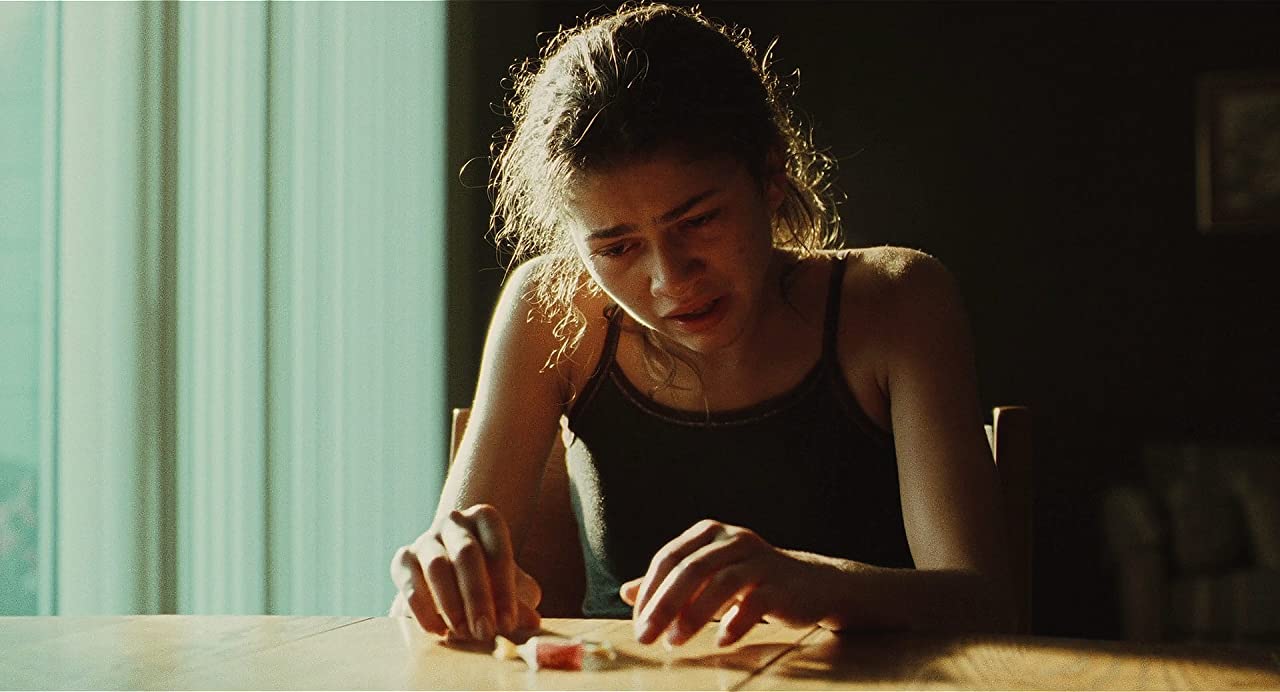
Kelly, who plays Laurie, the eerily calm drug dealer whose quiet tone makes her even more terrifying, admitted to Variety that she was deeply shaken when she first read the script for one of the show’s most unsettling scenes. She described being “heartbroken” by what was originally on the page, particularly the sequence where Rue, played by Zendaya, is in the bathroom with Laurie and is injected with morphine.
Kelly explained that the script initially presented the scene in an even more disturbing way than what viewers eventually saw. “There is that scene where Rue (Zendaya) is getting into the tub, and Laurie injects her with morphine — and in the script, it is even creepier, because Laurie is helping her undress and get in the tub, and it is approaching this gross pedophilia vibe. Initially, I was just like, ‘I can’t do this,’” Martha said.

That reaction alone says everything about how extreme the material felt before filming even began. Kelly was not describing a scene that merely made her uncomfortable in the ordinary sense. She was describing something so deeply upsetting that her first instinct was that she could not go through with it at all. Coming from an actor whose performance as Laurie is built on terrifying restraint, that confession makes the final version of the scene feel even more chilling, because it suggests viewers were already seeing a softened form of something originally far harsher.
And yet Kelly did not ultimately ask for rewrites.
After speaking with Levinson, she chose to continue, saying the conversation changed how she viewed the situation. “But then I met with Sam and he was so lovely about it,” Martha concluded. “I spoke with him and decided not to ask him to change anything, because I feel very strongly that I’m more of a comedian than an actor, so I would never tell a writer or a director if they could change something for me because I feel so lucky to have been invited in the first place.”

That explanation is revealing in its own way. Kelly was clearly troubled by the material, but her decision not to push for changes came from a mix of respect, insecurity, and gratitude. She framed it not as full comfort with the scene, but as a personal boundary she did not feel entitled to enforce. “If I accept a part it’s because I want to do it, and I like the people I am working with, so I do not want to intrude with my own self-centered discomfort.”
Still, there was at least some relief later in the process. Kelly said she was glad when Levinson told her that the bathroom scene would be filmed slightly out of focus, and that aspects of it had been altered following the production pause caused by the pandemic. That adjustment did not erase what the material was asking from her, but it did appear to soften the most disturbing edges of what had once been planned.
Taken together, Sweeney and Kelly’s comments expose two very different but equally uncomfortable truths about Euphoria. One actor fought to strip away nudity she felt was unnecessary and later felt her work was dismissed because her body overshadowed her performance. Another was so rattled by the darkness of a scene that she nearly refused it altogether, only to stay after difficult conversations and later revisions.
The result is a more unsettling portrait of the show than the finished episodes alone can give. Behind the neon, the beauty, and the cultural obsession, there were moments where even the people inside Euphoria had to stop and ask whether certain lines should really be crossed at all.