IVE’s Jang Wonyoung has unexpectedly been pulled into a controversy she did not create, after online backlash erupted over how an Asian character appears to be portrayed in The Devil Wears Prada 2. What began as excitement around the sequel quickly shifted into anger when viewers started accusing the film of recycling offensive stereotypes, and Wonyoung’s name became part of the debate because of her role in the movie’s recent promotional push in Asia.
According to the report, the controversy intensified after a newly released video on the official YouTube channel of 20th Century Studios showed Anne Hathaway’s character, Andy, meeting a new assistant in the office. That assistant is played by Chinese American actress Helen J. Shen and is introduced as “Chin Chou.” Critics immediately took issue with the name, arguing that its pronunciation sounds uncomfortably close to “Ching Chong,” a phrase long recognized as a racist slur used to mock East Asian people. That single detail alone was enough to trigger outrage, but it did not stop there.

Viewers also zeroed in on the way the character was styled. In a franchise built around fashion, glamour, and image, critics said the assistant’s appearance felt deliberately out of step with the rest of the film’s polished world. The hairstyle, oversized glasses, and awkward outfit reportedly stood in sharp contrast to the other characters, leading many to argue that she had been framed as an unfashionable “nerd” rather than a fully realized person. For many online, it was not just a questionable creative choice. It looked like an old stereotype being repackaged for a modern audience.
The backlash deepened further because of how the character was presented beyond her appearance. The report says she introduces herself in a way that emphasizes academic history and grades, something critics felt reinforced another familiar stereotype: the Asian overachiever who is intelligent on paper but socially awkward in real life. That combination of traits — strange name, awkward styling, rigid academic framing — caused many viewers to feel the character had been built from a collection of tired assumptions rather than genuine depth. What may have been intended as quirky or comedic instead landed, for many, as deeply tone-deaf.

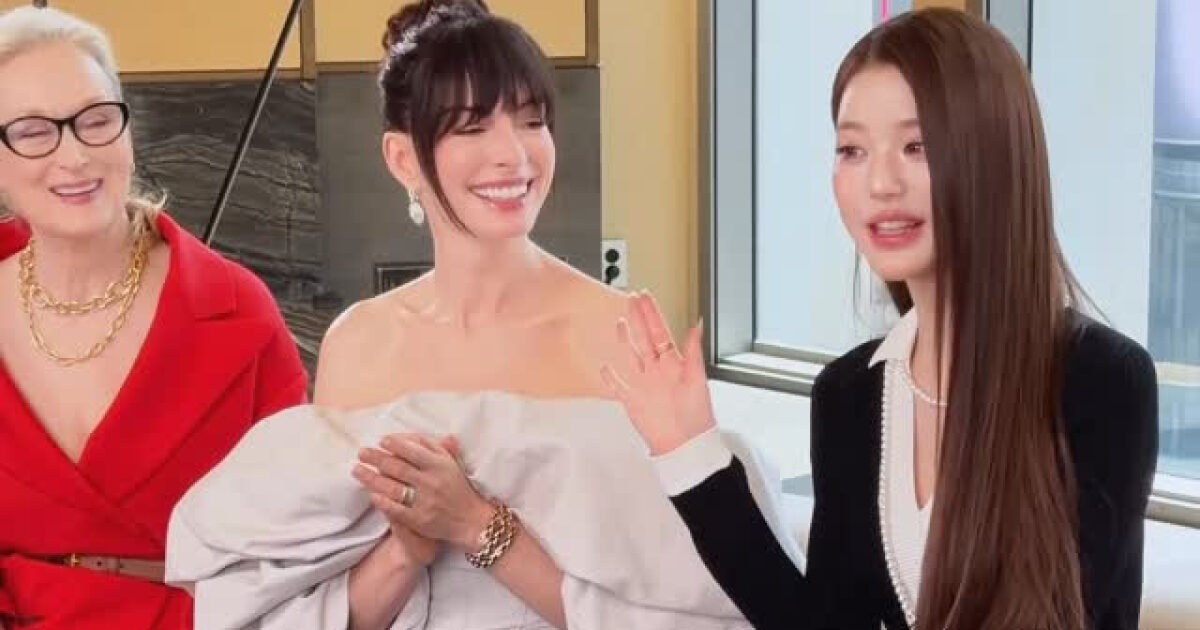
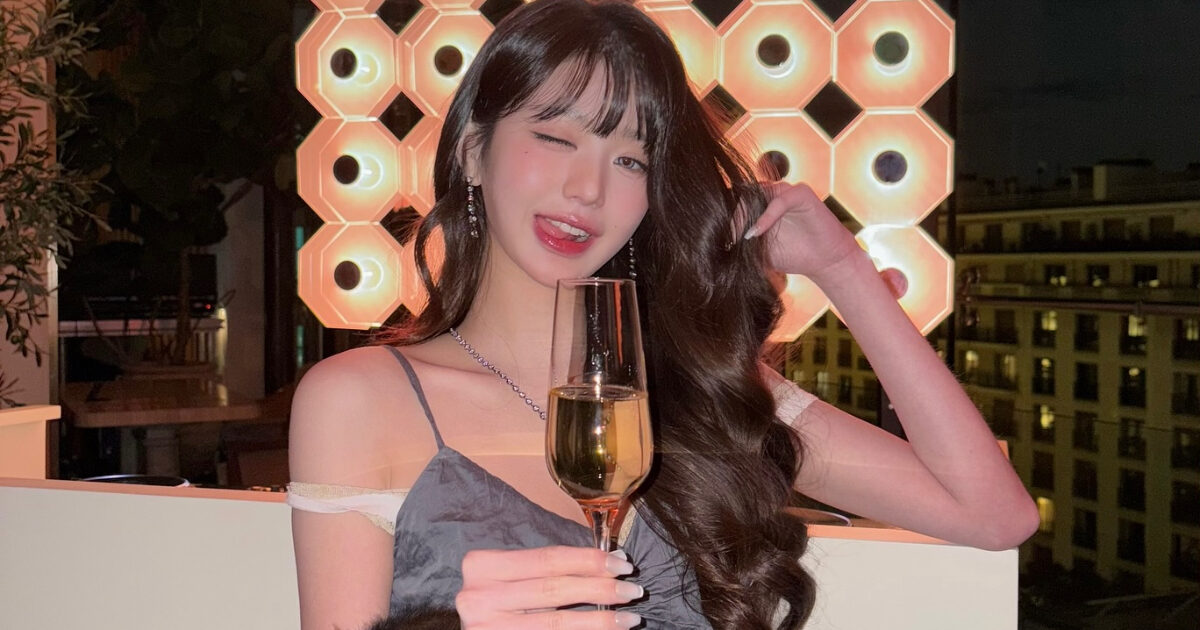
That is where Jang Wonyoung was suddenly swept into the conversation. Koreaboo reports that Meryl Streep and Anne Hathaway recently carried out promotional schedules in Seoul and Shanghai, and Chinese netizens in particular noticed that Wonyoung was placed prominently during the Korea leg of the campaign. Because she is widely admired across Asia and often described as a “human doll,” some critics argued that the studio appeared willing to spotlight a glamorous, beloved Asian celebrity when promoting the film, while still including an Asian character inside the movie whom they saw as stereotypical and humiliating.
That perceived contradiction is what turned the criticism into something harsher. Online commenters reportedly accused the film of operating with a double standard: celebrating Asian beauty and star power when it is useful for publicity, while reducing an Asian on-screen character to a joke shaped by racial shorthand. Wonyoung herself was not accused of causing the problem, but her involvement in the promotional space made her an unavoidable symbol in the argument. Her image became part of a wider complaint that the film seemed eager to benefit from Asian popularity while mishandling Asian representation where it mattered most.
What makes the situation especially explosive is that the outrage is not centered on one isolated visual choice. It is the accumulation of multiple details that pushed people over the edge: the name, the styling, the “model minority” framing, and then the contrast with star-driven promotions in Korea and China. Each piece added more weight to the idea that this was not a random misstep, but a pattern viewers could recognize instantly. For audiences already sensitive to how East Asians have historically been caricatured in Western media, the resemblance felt too strong to ignore.
Now, instead of simply celebrating the return of one of fashion cinema’s most iconic titles, part of the public conversation has shifted into something far more uncomfortable. Jang Wonyoung’s name may have entered the story through the side door, but once fans and critics connected her promotional presence to the film’s handling of its Asian character, the backlash became much harder to contain. What should have been a glossy sequel rollout is now being shadowed by a much uglier accusation: that behind the luxury, the legacy, and the star-studded marketing, the film may have revived stereotypes that many thought Hollywood should have left behind long ago.