Not every TV series can make audiences cry without relying on shocking twists or tragic endings, yet The Chosen manages to do exactly that through something far more powerful—emotional honesty. Across its seasons, the show has built a reputation for portraying deeply human struggles, where quiet pain and personal redemption resonate more strongly than dramatic spectacle. Among its many characters, several stand out as the ones who consistently leave viewers overwhelmed with emotion, not because of what happens to them, but because of how real their journeys feel.
Mary Magdalene is perhaps the most emotionally devastating figure in the series, and for many viewers, her story defines what The Chosen does best. Introduced at her lowest point, she is broken, lost, and consumed by trauma until Jesus calls her by name and restores her sense of identity. That moment alone has been widely recognized as one of the most powerful in the show. But what truly sets her apart is not her redemption—it is her relapse. In Season 2, Mary falls back into her past, overwhelmed by guilt and a crushing sense of unworthiness. Her confession that she cannot face Jesus again because she has “broken” after being fixed once captures a deeply human fear. It is this fragile, cyclical nature of healing that makes her story so painful and so relatable, as it reflects the reality that recovery is rarely linear.
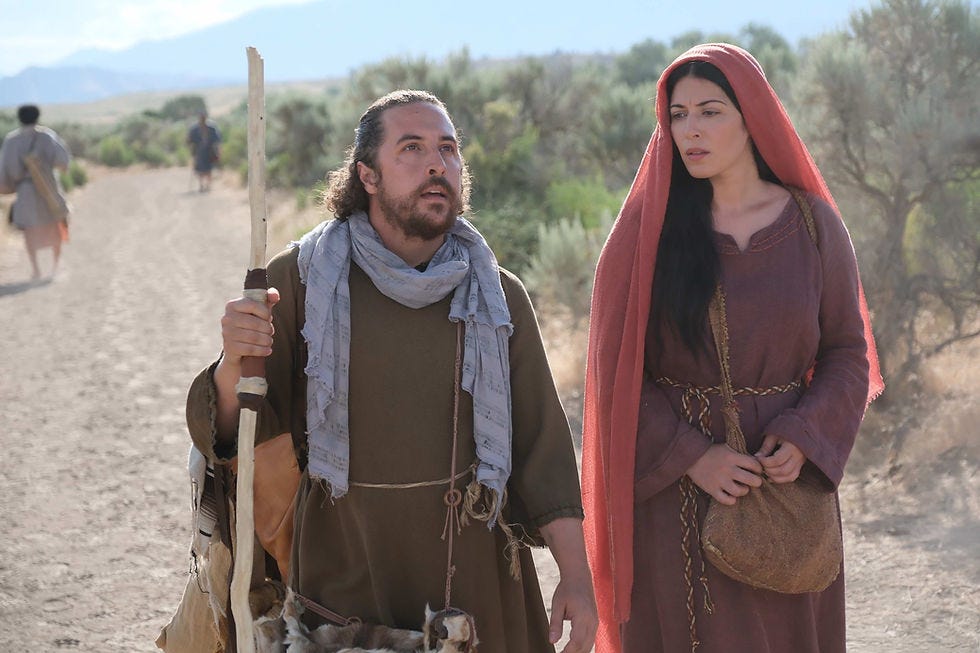
Matthew, on the other hand, delivers a quieter but equally powerful emotional impact. His character is defined not by dramatic suffering, but by isolation. Socially awkward and often misunderstood, Matthew exists on the margins, even among those who accept him. His journey is filled with subtle, intimate moments where he struggles to connect, questions his own worth, and slowly learns what it means to belong. One of the most touching aspects of his arc is his empathy toward Mary when she falls. Instead of judgment, he offers understanding, recognizing in her the same sense of inadequacy he has always carried. His pain is not loud or explosive, but it lingers, making his story one of the most quietly heartbreaking in the series.

The portrayal of Jesus in The Chosen adds another layer of emotional depth, not through grandeur, but through intimacy. Rather than presenting a distant, untouchable figure, the series shows a version of Jesus who is deeply human—someone who laughs, listens, and comforts, but also grows tired and burdened by the weight of his mission. In one particularly moving moment, he returns exhausted after healing others all day, a scene that strips away any sense of distance and replaces it with vulnerability. What makes this portrayal so affecting is not just what he does, but how personally he connects with each individual. His compassion feels direct and intentional, and it is this closeness that often moves viewers to tears.

Mary, the mother of Jesus, brings a different kind of emotional weight—one rooted in quiet acceptance rather than transformation. Her most powerful moments come not from dramatic events, but from reflection. In one scene, she speaks about raising her son, expressing both pride and a subtle sadness as she realizes he is stepping into a role that takes him beyond her reach. It is a deeply relatable emotion, capturing the bittersweet experience of letting go. There are no grand gestures or emotional outbursts, just a calm, restrained understanding that makes her story resonate on a deeply personal level.
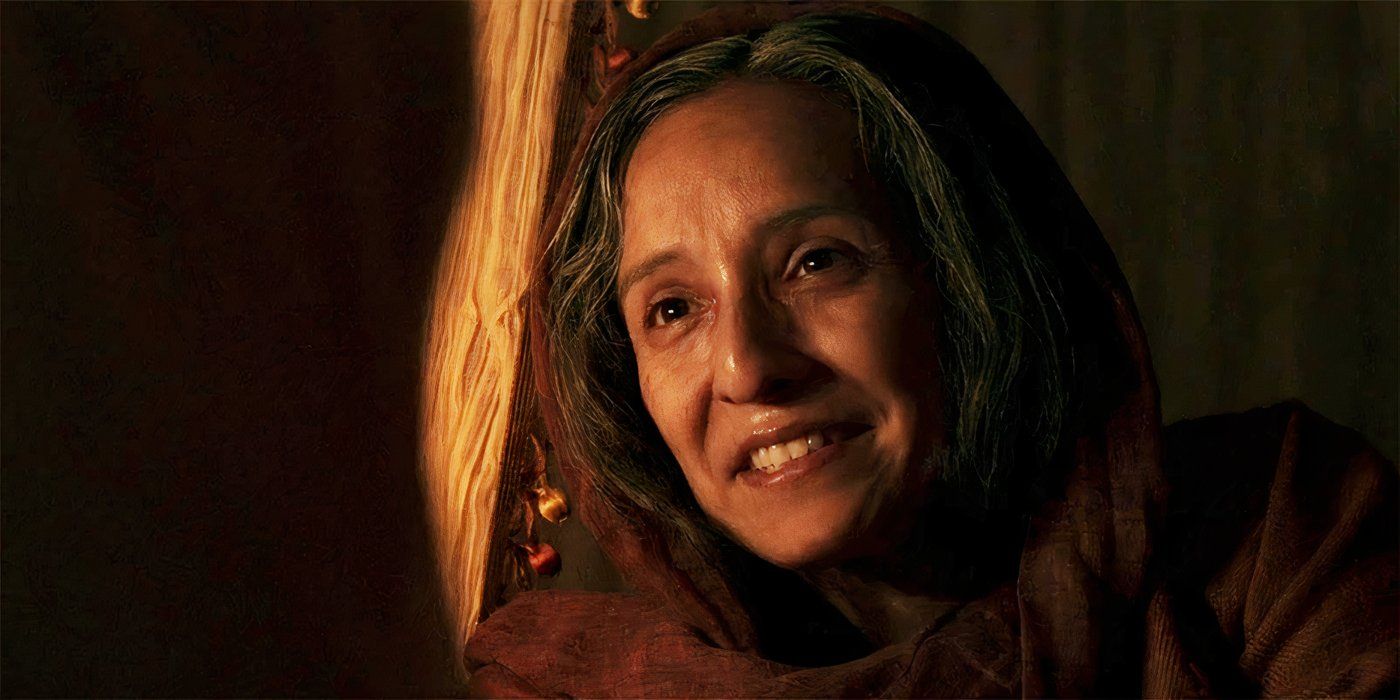
Interestingly, some of the most emotional reactions from audiences come from characters created specifically for the series, such as Ramah. While not directly drawn from scripture, her storyline adds layers of emotional complexity that catch viewers off guard. Her journey—and particularly her fate—sparked strong reactions because it felt both unexpected and deeply human. This blending of historical and fictional elements allows the show to create emotional stakes that feel immediate and unpredictable, proving that even original characters can carry profound weight when written with care.
What connects all these characters is not just their individual stories, but the way those stories are told. The Chosen avoids rushing emotional moments, instead allowing them to unfold naturally through relationships and small, meaningful interactions. Characters are not defined by dramatic breakdowns, but by their struggles, their hesitation, and their vulnerability. This approach creates a sense of authenticity that makes every emotional moment feel earned rather than forced.
Ultimately, the reason audiences cry while watching The Chosen is not because the show tries to manipulate emotion, but because it reflects something real. Whether it is Mary’s fragile journey of redemption, Matthew’s quiet loneliness, or the deeply personal compassion of Jesus, each character mirrors a part of the human experience. And that connection does more than entertain—it reveals a deeper truth: the stories that hurt the most are often the ones that feel uncomfortably close to our own lives.