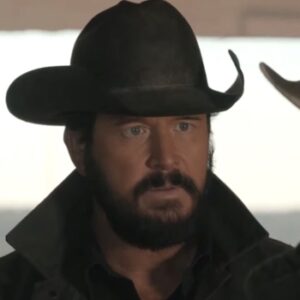
Dutton Ranch delivered strong ratings in its first season and ranked among the most-watched scripted series of the 2025-2026 television year. On screen, the Taylor Sheridan-produced Yellowstone sequel held its own. Behind the scenes, however, the launch was far from smooth. Original showrunner Chad Feehan exited shortly before the premiere, a departure that coincided with public frustration from co-star Ed Harris over how his character was being used.
Two months later, Paramount+ confirmed that Benjamin Cavell, best known as the creator of SEAL Team, would take over as showrunner for Season 2 and potentially beyond. Until recently the cast had said little about the creative change. That changed when Cole Hauser offered a notably upbeat assessment while speaking with People.
Hauser’s Optimistic Take
Asked whether viewers would see a “new side” of Rip Wheeler in the next season, Hauser replied: “You’re gonna have to wait, but yes. We have a wonderful new showrunner, Benjamin Cavell, and I’ve been talking to him. He’s a very special guy, and I think the future is bright — not only for myself, but Beth [Kelly Reilly] and Carter [Finn Little] and the show in general. I think this is going to be a really nice next step.”
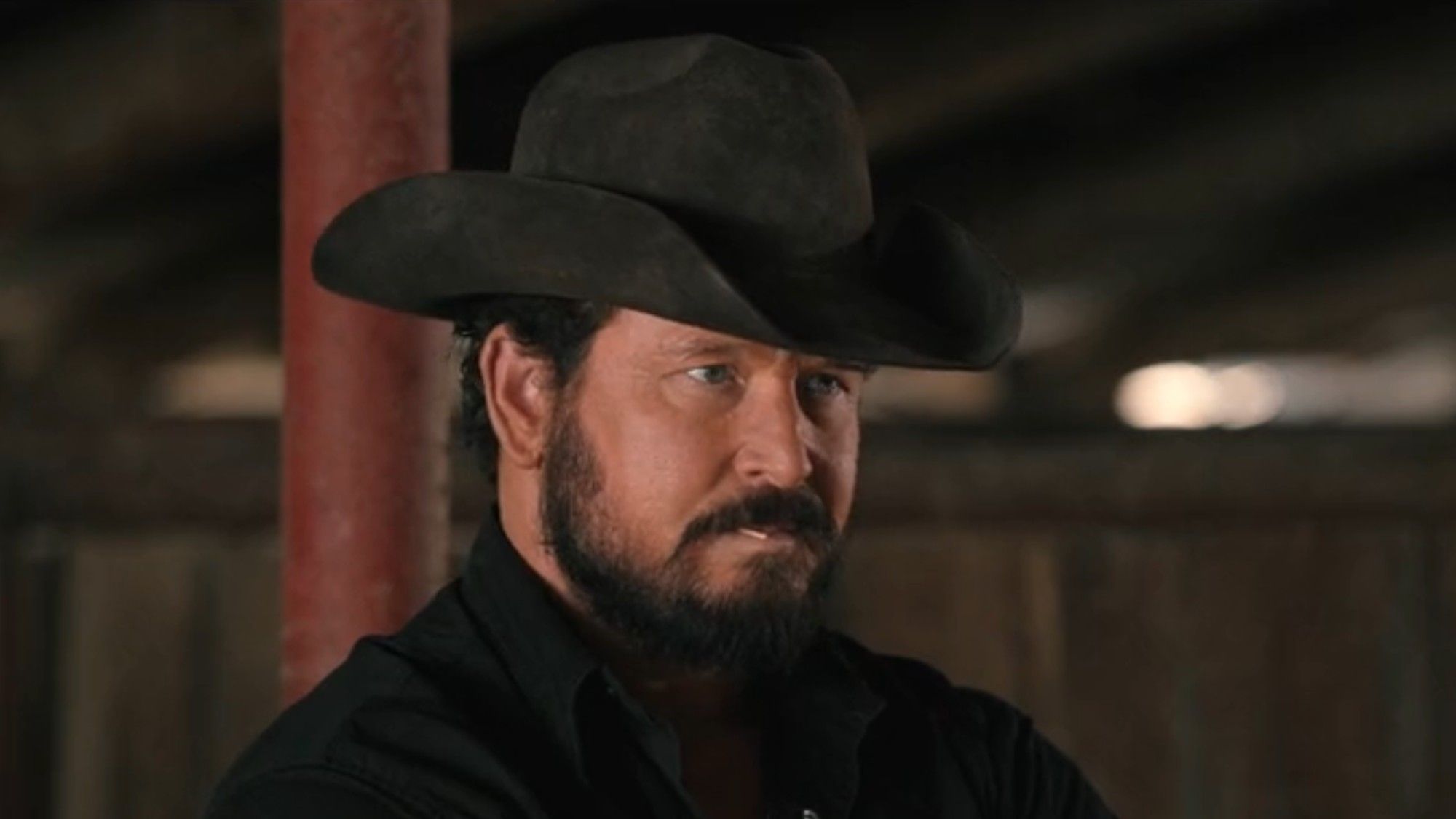
The language is striking coming from the actor who plays one of television’s most taciturn cowboys. Words such as “wonderful,” “special,” “bright,” and “really nice” are not the vocabulary most associated with Rip Wheeler. Yet the enthusiasm appears genuine. Hauser could easily have given a noncommittal answer. Instead he volunteered clear approval of Cavell and projected confidence about the direction of the series and the futures of its central characters.
For a production that experienced early turbulence, the public endorsement from one of its two biggest stars carries weight. It suggests that conversations between the new showrunner and key cast members during the hiatus have been productive, and that Hauser, at least, is heading into Season 2 with genuine optimism.
Why Cavell Makes Sense
On paper, Benjamin Cavell is a logical fit for Dutton Ranch. His résumé spans several genres that overlap with what the series requires. He created and ran SEAL Team, a long-running serialized action drama. He wrote and produced on Justified, a neo-western built around a charismatic lead and morally complicated supporting players. He worked as a writer and executive producer on Homeland, a show defined by high-stakes tension and shifting loyalties. He also created the The Stand miniseries and co-created The Institute, projects that deal with large-scale threats and human resilience under pressure.
That combination of experience — action, western sensibility, political and personal intrigue, and large ensemble storytelling — positions him to bring a fresh perspective while still operating inside the broader Sheridan universe. Final creative sign-off will almost certainly still involve Taylor Sheridan, but Cavell arrives with a track record that suggests he understands both the tone and the logistics of this kind of series.
The Ed Harris Factor
One early test for the new showrunner will be how he handles Everett McKinney, the character played by Ed Harris. Harris was vocal about his dissatisfaction with the way the role was utilized in Season 1, and those comments formed part of the backdrop to Feehan’s departure. How Cavell chooses to deploy Harris in upcoming episodes could prove significant — both for the actor’s continued involvement and for the internal stability of the production.
There is also the perennial fan desire for crossovers. If Cavell finds a natural way to bring Luke Grimes’ Kayce Dutton into the Texas storyline, even briefly, it would likely be received as a welcome expansion of the shared world. Such moves are never simple, but they remain high on many viewers’ wish lists.
Looking Ahead
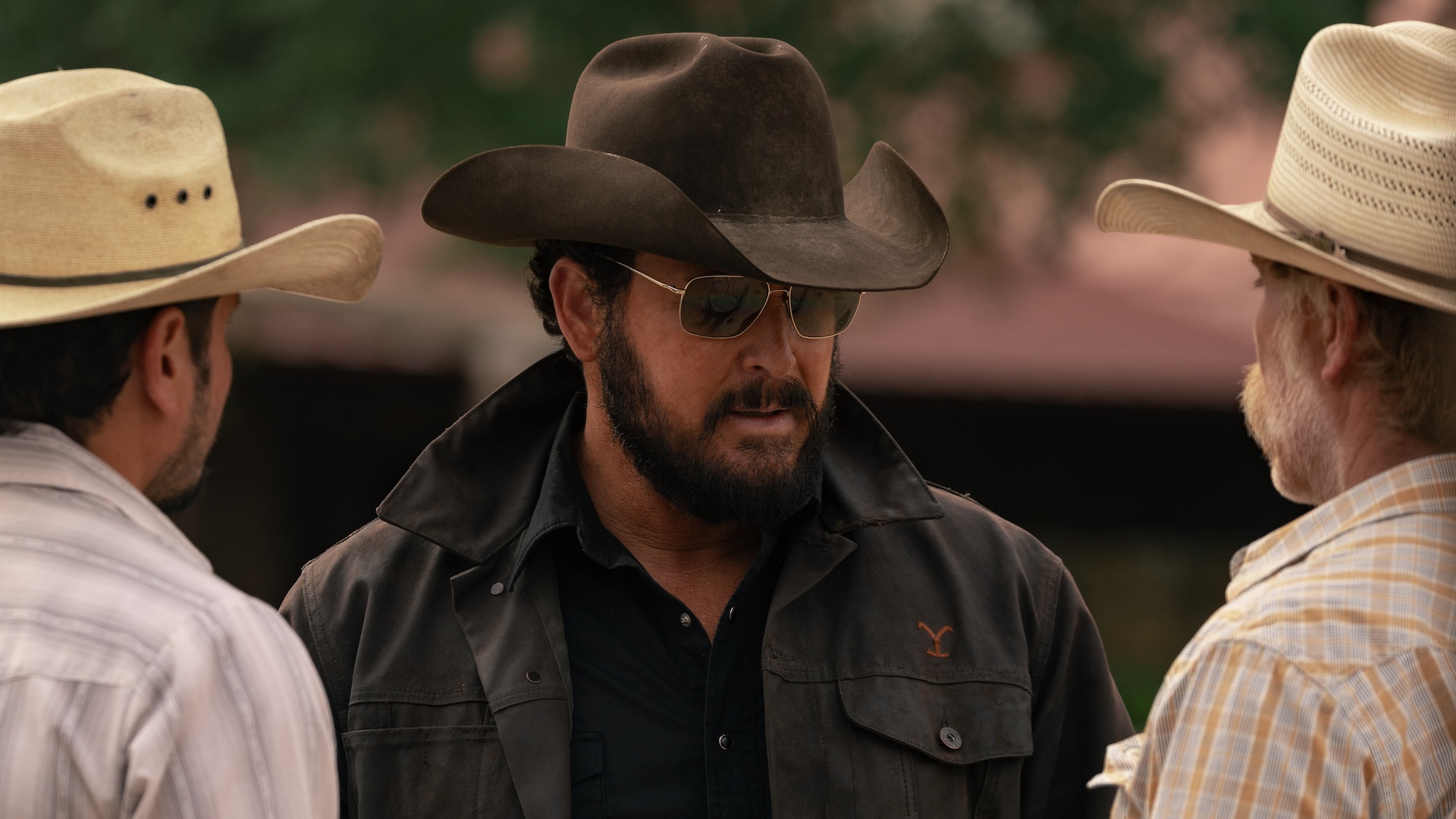
Season 1 of Dutton Ranch is available to stream in full on Paramount+. Season 2 remains in development under Cavell’s leadership, with Hauser’s comments offering the clearest public signal yet that the transition is being received positively by at least one of the show’s central figures.
After a first season marked by strong audience numbers and notable behind-the-scenes friction, the series now has a chance to steady itself creatively. Hauser’s willingness to speak warmly about the new showrunner suggests that, for the moment, the mood among key players is constructive. Whether that optimism translates into a sharper, more confident second season is something viewers will have to wait to judge. For now, the message from Rip Wheeler’s portrayer is straightforward: the future looks bright.