Few television couples leave a mark as deep as Rip Wheeler and Beth Dutton. They are not polished. They are not gentle in the conventional sense. What they are is fiercely, almost stubbornly devoted to each other—and that devotion is the reason audiences have stayed locked on their story from Yellowstone through Dutton Ranch.
Their arc has never really been about land, cattle, or the machinery of power that surrounds the Dutton name. Those elements supply the pressure. The centre has always been the relationship itself: two people who found each other early, lost years to circumstance and damage, and then refused to let go once they finally claimed a life together.
A Life That Finally Belongs to Them
In Dutton Ranch, Rip and Beth are attempting something they never fully managed in Montana—building a home and a future that is theirs rather than an extension of John Dutton’s war for the Yellowstone. Texas offers distance from that particular battlefield. It does not offer ease.
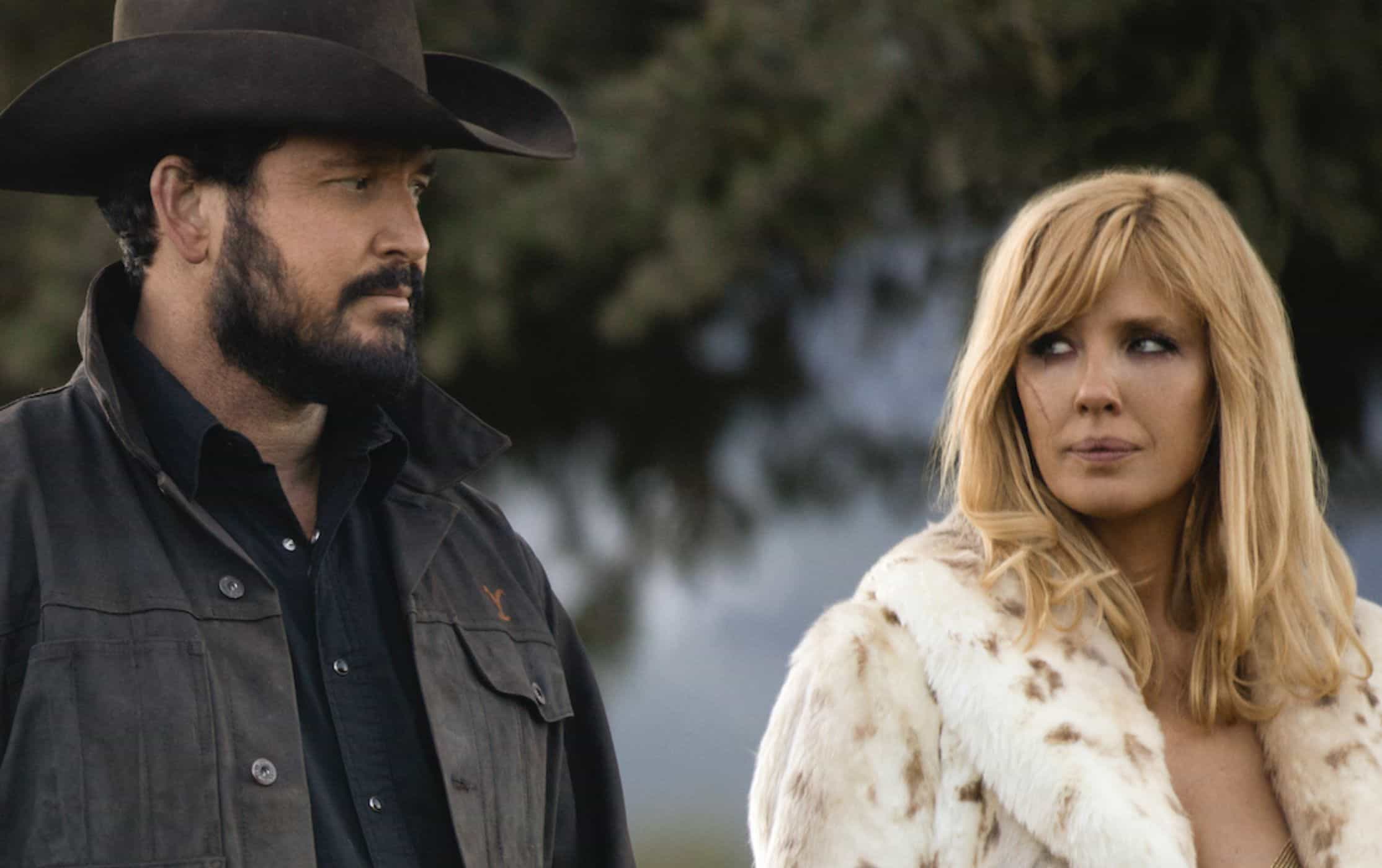
New adversaries appear. Losses accumulate. Choices arrive with costs attached. The couple are forced to renegotiate what protection looks like when the threats are less familiar and the allies less certain. Through all of it, the pattern holds: when the ground shifts, they orient toward each other first.
Beth remains the more combustible presence—sharp-tongued, strategically ruthless, unwilling to perform softness for anyone who has not earned it. Rip continues to function as her counterweight: steady, physically capable, emotionally reserved with the world and unusually open with her. The completeness they find in one another is not symmetrical in style, but it is matched in intensity. Each supplies what the other cannot generate alone.
Softer Edges, Same Core
One of the quieter achievements of Dutton Ranch has been allowing both characters additional range without sanding down what made them compelling. Beth is permitted moments of straightforward compassion that do not read as inconsistency. Rip is allowed visible emotion that does not undercut his authority. Together they are learning the practical work of family as they guide Carter—another person shaped by abandonment and violence—toward something more stable than either of them knew at his age.
That parental dimension adds weight. Their love story was already built on loyalty tested by extreme circumstances. Adding responsibility for a young person raises the stakes from mutual survival to the creation of a small, deliberate unit that might outlast the chaos around it. Fans respond to that shift because it feels continuous with who Rip and Beth already were, not like a sudden reinvention.
Why the Attachment Endures
Perfection has never been the selling point. Trust has. The willingness to absorb damage on the other’s behalf. The refusal to perform a more acceptable version of partnership for outsiders. When institutions, blood relatives and business partners prove unreliable, the relationship itself remains the one fixed point.
That is why the pairing continues to function as the emotional engine of Dutton Ranch. The plots can escalate into violence, betrayal and legal threat; the question that keeps viewers invested is whether Rip and Beth will still be standing together when the episode ends. So far, the answer has been yes—not because the writing grants them easy victories, but because the characters are written as people who treat choosing each other as non-negotiable.
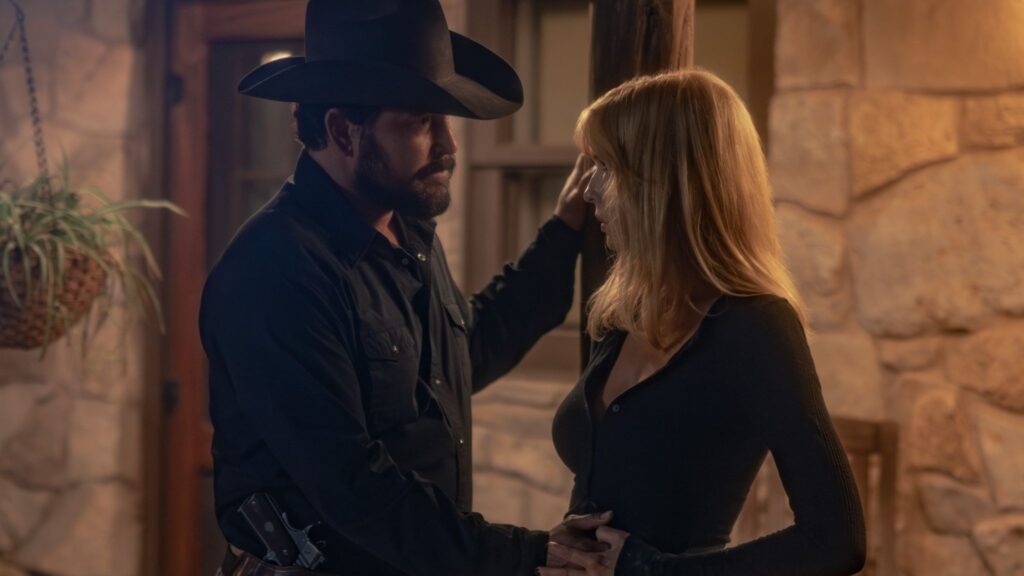
They are not the only memorable couple in the wider Yellowstone universe. They are, for a large part of the audience, the one that feels least replaceable. In a franchise crowded with land wars, legacies and revolving enemies, Rip and Beth remain the element that turns spectacle back into something personal.
Whether they rank among television’s greatest couples is ultimately a matter of taste. What is harder to dispute is their effectiveness: two incomplete people who become a coherent force only in combination, still finding their way back to one another whenever the world tries to pull them apart. That loop—of threat, endurance and return—is the reason the question keeps getting asked. And the reason so many fans already know their answer.