Horror films have always held a mirror to society, reflecting our deepest anxieties and fears. In the 1950s, it was the Red Scare and nuclear terror. In the 1970s and 1980s, it was the sexual revolution and unchecked individualism. Today, prestige horror like Obsession, Get Out, Sinners, and The Substance increasingly feature warped versions of the thing we fear most: ourselves.
The genre’s evolution is striking. Horror remains one of the most profitable movie categories — cheap to make with outsized returns. But despite (or because of) its commercial success, it was long dismissed as schlock or B-movie fare unworthy of serious attention. That changed with Jordan Peele’s Get Out in 2017. The film was a cultural phenomenon: a massive box office hit, critically acclaimed, Oscar-nominated (including Best Picture), and winner for Best Original Screenplay. It broke out of the horror silo and demanded discussion.
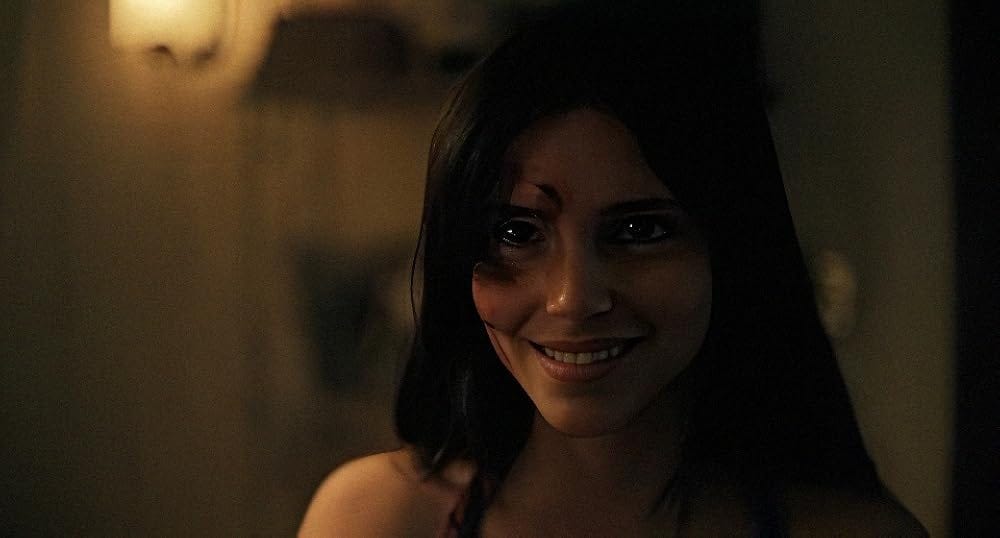
Peele’s follow-ups — Us and Nope — and subsequent prestige horror hits have cemented a new trend. At the 2026 Oscars, horror dominated: Sinners earned a record 16 nominations and multiple wins, while The Substance and others added to the genre’s prestige. The defining horror of our time isn’t external monsters or alien invasions. It’s the enemy within — the fear that we will become monstrous, distorted versions of ourselves, transformed by forces we barely understand.
The Shift to Internal Horror
Previous eras of horror centered on external threats. The Blob featured a Soviet-red pile of goo consuming people. Invasion of the Body Snatchers played on fears of communist infiltrators. Slasher films in the 1970s and 1980s reflected the sexual revolution, punishing promiscuous teens while the virginal Final Girl survived.
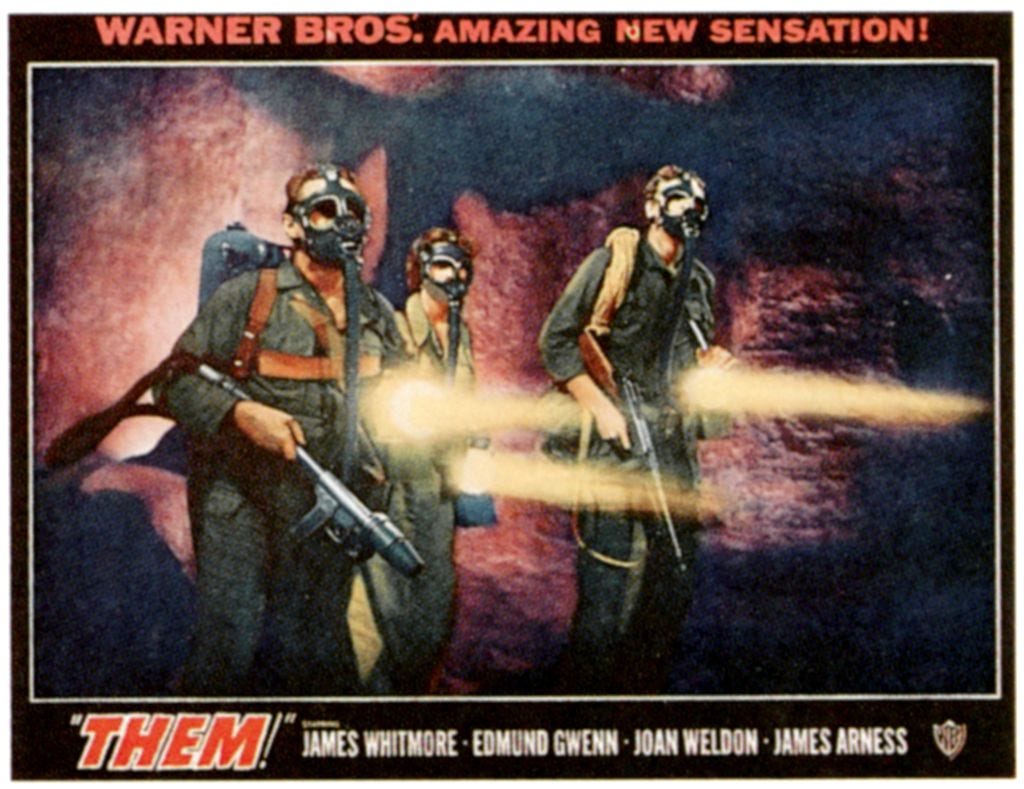
Today’s prestige horror is fixated on identity. The greatest danger isn’t death by monster — it’s losing control of who we are. The instigating evil often comes not from aliens but from neighbors, friends, or ourselves.
Consider:
- In Get Out, Chris’s identity is literally appropriated. His body might survive, but his inner self will be suppressed.
- In Us, the protagonists risk being replaced by The Tethered — antagonistic doppelgangers.
- In The Substance, a miracle drug splits Elisabeth Sparkle’s identity in two as she destroys herself chasing beauty and fame.
- In Companion, a young woman discovers she’s a love robot, programmed to believe she’s human.
- In Sinners, heroes aren’t threatened with death — they’re threatened with becoming more evil, vampiric versions of themselves.
Recent breakout hits Obsession and Backrooms continue this theme. Obsession follows a young woman whose mind is commandeered while a “freaky” facsimile wears her body. In Backrooms, the monsters are distorted versions of real people.
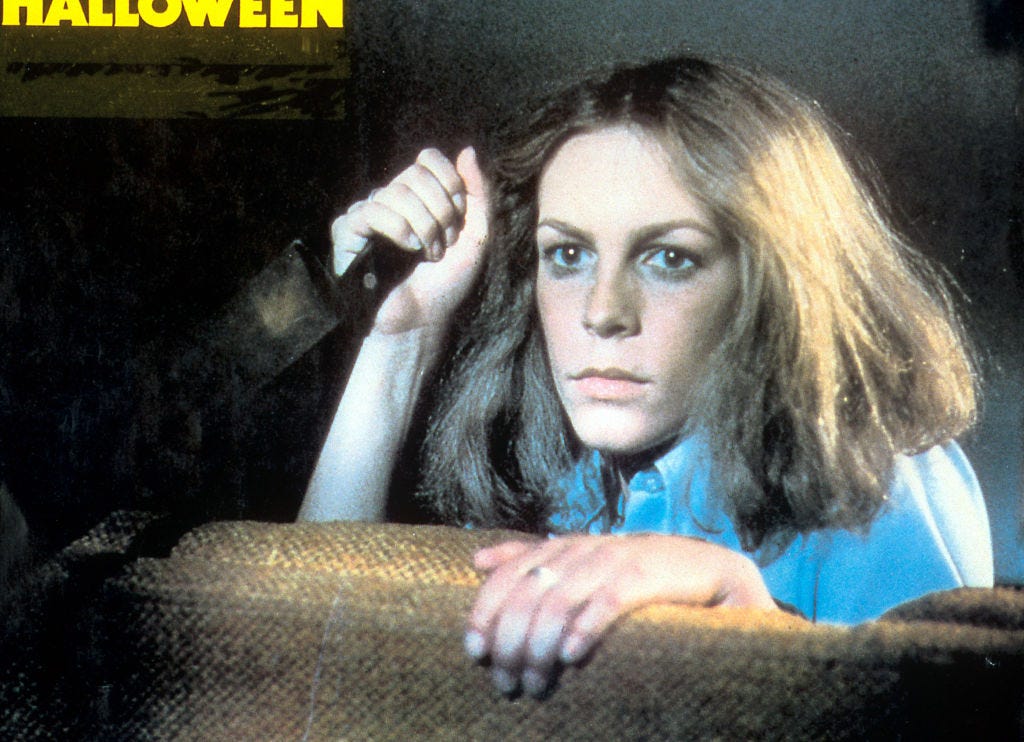
Some films still have a “big bad” — vampires in Sinners or a government program in Us — but the real villain, as Jordan Peele told us with Us, is ourselves.
The Digital Age’s Core Anxiety
The modern world is reshaping us. Influencers dictate what we eat, wear, think, and believe. Algorithms influence what we consume. Social media rewards behavior we’d have considered strange years ago. People increasingly outsource thinking to AI. It feels like our identities are mediated through screens and platforms.
Our biggest fears are often self-inflicted: gambling, drugs, obesity, pornography, screen addiction. These stem from poor choices amplified by technology. The scariest question: Which parts of your self-image are authentically you, and which are passively absorbed from media?
Do you enjoy that hobby, or were you swallowed by an algorithm? Are you obsessed with that pop star, or did you build an identity around stan culture? Do you hold those political beliefs, or were you poisoned by online discourse? These questions boil down to one: Have I chosen who I am, or is my identity shaped by sinister forces I barely understand?
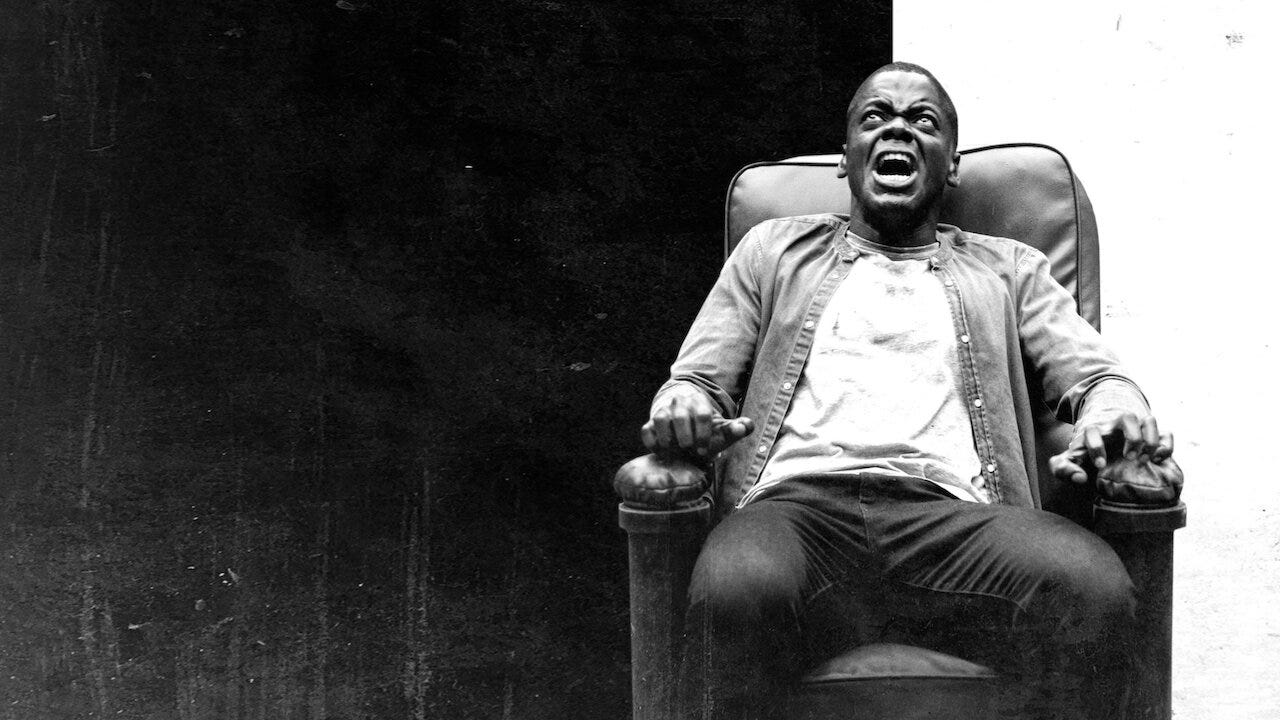
This is why Get Out, Sinners, Obsession, and similar films resonate so strongly. The ultimate anxiety of the digital age isn’t external threats or physical danger. It’s how to remain yourself in a world trying to distort you.
Horror as Cultural Mirror
Horror has always reflected society. Frankenstein critiqued Enlightenment faith in technology. Cold War films warned of nuclear power and infiltration. Today’s prestige horror warns that we are becoming strangers to ourselves — and what we might do if we’ve already been replaced.
The genre’s commercial success and critical resurgence show it still speaks to our deepest fears. As technology reshapes politics, culture, and identity, horror remains a powerful lens. The monsters aren’t coming from outside. They’re already here — and they look just like us.