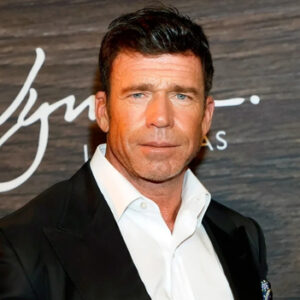
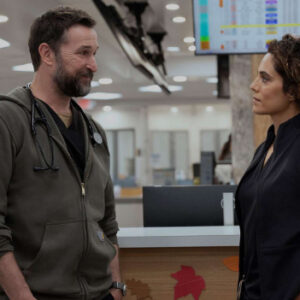
Taylor Sheridan is famous for writing dense, specific roles for A-list leads—and for raising the bar high enough that even seasoned stars feel the height. On Lioness, that bar comes with military jargon, CIA tradecraft, and plot machinery that does not explain itself on the page. Zoe Saldaña and Nicole Kidman’s solution is not to guess. It is to fill the creator’s phone with voice notes until he calls back.
Makeup-trailer summit, then the twentieth text
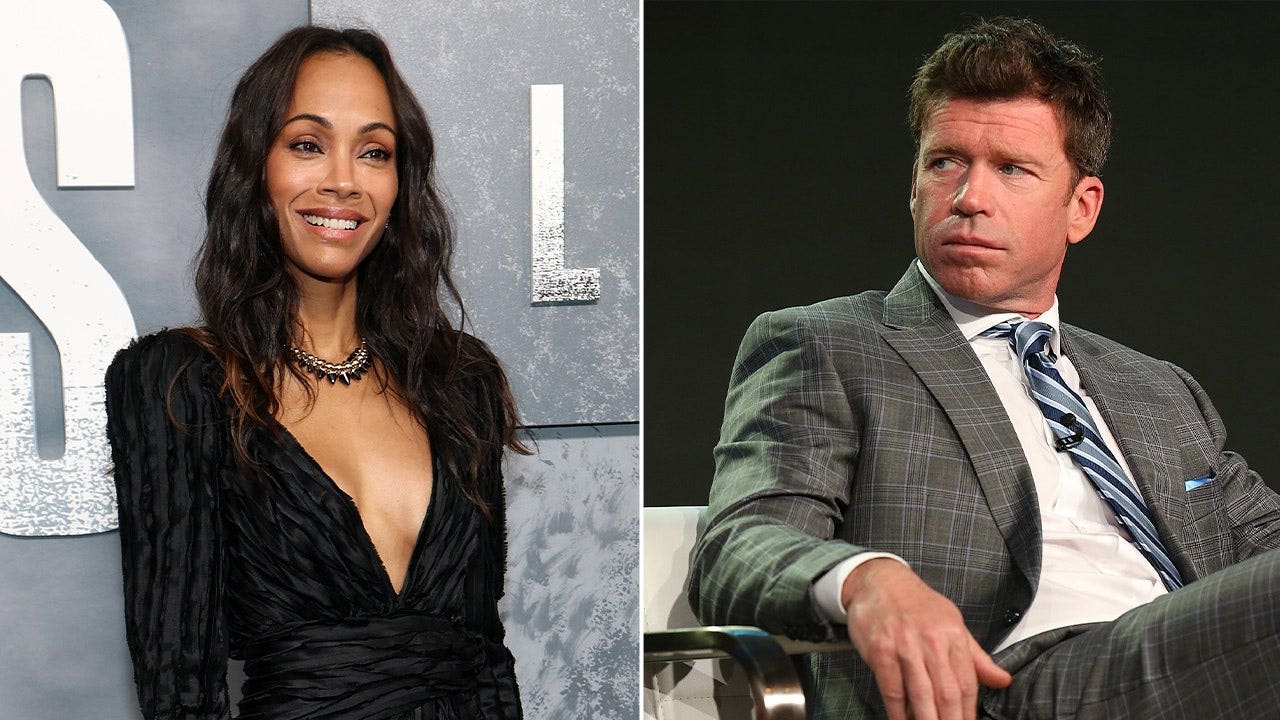
At Paramount+’s Icons of Taylor Sheridan’s Universe event, Saldaña described a ritual that has become part of the show’s working method. She and Kidman—Joe and Kaitlyn on screen—check in with each other in the makeup trailer: Did you figure that beat out? Neither did I. Then the messages go to Sheridan.

“We leave these messages, these voice messages sometimes,” Saldaña said (via People). If he does not pick up, the thread continues. “Hi, Taylor. For the 20th time, sending you a text.” On the way to set the tone sharpens: “Call us. We need you.” And then, she said, he calls.
The detail that lands is not the celebrity of the senders. It is the persistence. Twentieth text is not a bit; it is what it takes when the script assumes you already live inside the operational logic of the hour.
Why Lioness needs a hotline
Lioness follows CIA-adjacent operatives and special-activities energy: strategy, acronyms, chain-of-command texture, and geopolitical plot that moves faster than a casual viewer’s glossary. Kidman has praised how “relevant” the series feels and, in the same breath, admitted the practical truth for the people acting it: “it’s really hard to follow.”
That is the bind. Sheridan’s dialogue is built to sound precise. If the actor only approximates the meaning, the scene goes soft. Kidman’s standard is the opposite of winging it: they have to “understand every single thing” they are saying. Voice notes and return calls are how that standard survives a shooting day.
Four words, and the scene changes
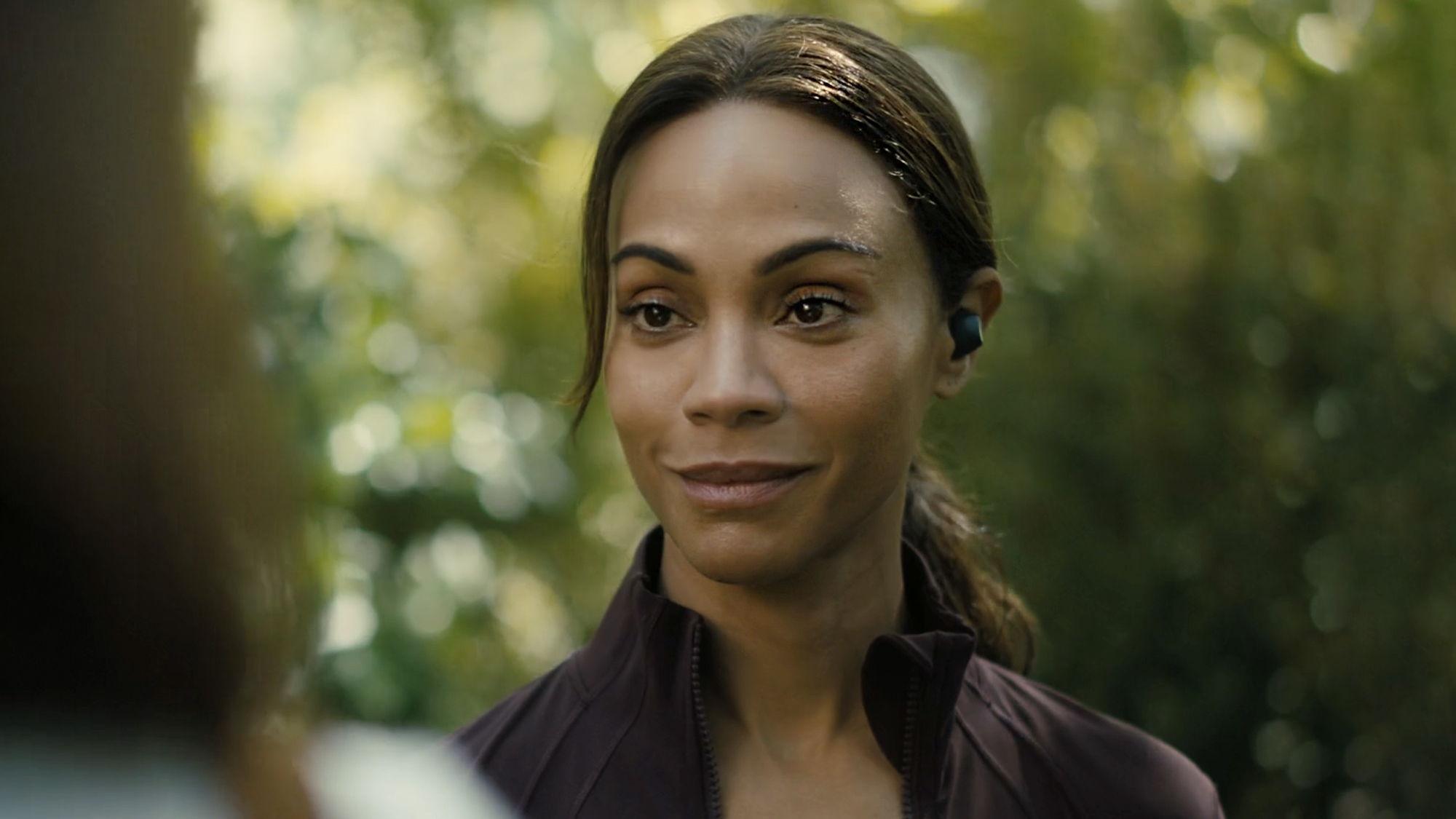
The calls are not only plot tutoring. Kidman called Sheridan “an incredible acting coach,” with a metric any performer understands: “You can have one call with him, and he’ll give you four words of how to play the scene.”
Four words is the Sheridan brand in miniature—compression, intent, no lecture. Saldaña has said elsewhere that he raises the bar and leaves actors with a binary choice: meet it or quit. The voice-note loop is the collaborative version of that pressure. He is not always on the soundstage; he is reachable enough that Joe and Kaitlyn can still align to his read before cameras roll.
A showrunner stretched across universes
Sheridan is easier to miss than to ignore. He is less omnipresent in the Yellowstone day-to-day than at the franchise’s peak, but he remains the gravitational center of Paramount+ engines like Lioness and Landman, among others. Multiple casts, multiple crews, one writer-producer whose pages are treated as law. That workload explains the unanswered first nineteen texts. Saldaña’s account also insists on the twentieth—and on the callback.
For actors who have praised his writing across the Sheridan-verse, that pattern fits a larger reputation: hands-off in the sense that the script arrives whole, hands-on when the performance needs a final steer.
What the habit says about Lioness Season 3
New episodes of Lioness Season 3 continue on Sundays via Paramount+. The voice-note economy is a small window into how a show this jargon-heavy stays coherent for its leads. Saldaña and Kidman are not asking for line readings for comfort. They are demanding shared intelligence—same map, same stakes, same four-word adjustment—so that when the scene plays, every operational phrase lands with intent.
Somewhere in that chain is a producer who hears “Call us. We need you” from two of the biggest stars in the streaming ecosystem and, eventually, dials. For Lioness, that callback is not a perk. It is part of the craft.