With BTS preparing to return to Busan for one of the biggest events of 2026, South Korean authorities have stepped in after reports of extreme accommodation price increases triggered widespread frustration among fans.
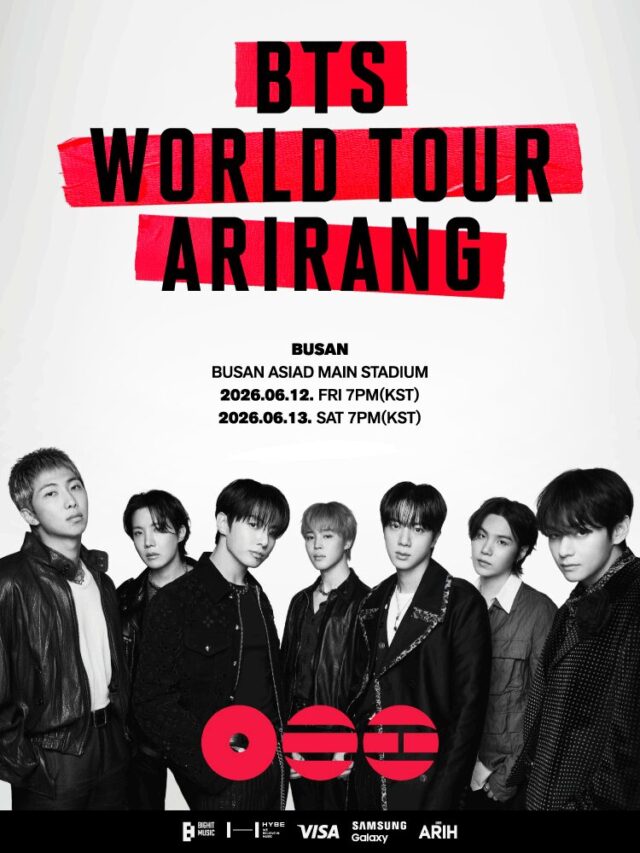
The group is scheduled to hold the BTS WORLD TOUR ‘ARIRANG’ IN BUSAN concerts on June 12 and 13 in Busan. The second date coincides with BTS’s debut anniversary, making the event especially significant for fans traveling from across South Korea and around the world.

As anticipation for the concerts grew, so did concerns about lodging costs.
According to an investigation conducted by the Korean government and consumer protection agencies, accommodation prices in Busan during the concert period rose dramatically compared with surrounding weekends. Reports indicated that average room rates climbed to roughly 2.4 times normal levels, with some motels increasing prices by more than three times and some hotels nearly tripling their usual rates.
In the most extreme cases, rooms that normally cost around ₩100,000 were reportedly listed for as much as ₩750,000, while higher-end accommodations saw prices rise into the ₩1.8 million range.
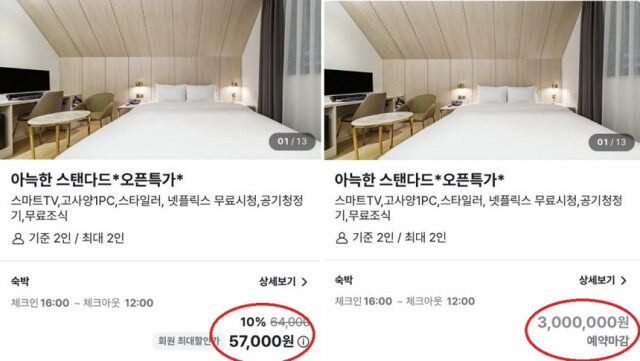
The controversy intensified when some fans alleged that previously confirmed reservations had been canceled after BTS announced the concert dates. According to complaints circulating online, certain lodging businesses cited reasons such as overbooking or renovations before relisting rooms at significantly higher prices.
For many fans, the situation felt familiar.
A similar controversy emerged in 2022 when BTS held the Yet To Come in BUSAN concert supporting Busan’s bid for the 2030 World Expo. At that time, some accommodation providers were accused of canceling reservations and reselling rooms at prices many times higher than their original rates.
The issue became so widespread that BTS members themselves eventually addressed fan concerns during a livestream following their success at the American Music Awards.
Now the matter has escalated beyond fan complaints and entered the realm of public policy.
On June 1, South Korea’s Ministry of Culture, Sports and Tourism reportedly joined with other government agencies to establish a task force aimed at combating price gouging during major events.
One of the key proposals under consideration is a lodging price pre-reporting system. Under the plan, accommodation providers would be required to declare room prices in advance for peak tourism periods and major events, with those prices made publicly available.
Authorities are also discussing stronger penalties for businesses that fail to display prices properly, advertise misleading rates, ignore reported prices, or cancel reservations without justification. Potential sanctions could reportedly extend beyond warnings and include temporary business suspensions.
The government is additionally exploring ways to increase available accommodation during the concert period.
Officials plan to make approximately 1,300 alternative lodging spaces available through university dormitories, public training centers, youth facilities, and religious institutions. Meanwhile, the city of Busan is developing a citizen homestay program that would allow local residents to host visiting fans directly.

The situation highlights the enormous economic impact BTS continues to have on cities that host their events. While tourism officials welcome the influx of visitors, the sharp rise in accommodation costs has raised concerns about accessibility and consumer protection.
For many fans, the government’s intervention is a sign that authorities recognize the scale of the problem and the importance of ensuring that visitors can attend the concerts without facing excessive lodging costs.
Whether the new measures will fully stabilize prices remains to be seen. However, with thousands of domestic and international fans expected to arrive in Busan within days, officials are under pressure to prevent a repeat of the controversies that surrounded previous BTS events.
As excitement builds for BTS’s highly anticipated Busan concerts, the challenge now is ensuring that the celebration is remembered for the music—not for hotel prices.