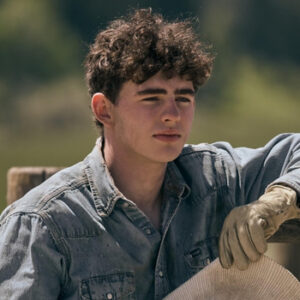
Carter’s relationship with Beth and Rip has always been complicated, but Dutton Ranch has now exposed a fracture that could become one of the most important storylines moving forward. After Beth and Rip made the devastating decision to destroy their entire herd following an outbreak of foot-and-mouth disease, they deliberately kept Carter away from what was happening. Their intention was supposedly to protect him from witnessing something traumatic, but Carter did not experience the decision as protection. He experienced it as betrayal. When he confronted Beth, his anger was immediate because the adults who constantly tell him that he needs to become a rancher had suddenly decided he was not mature enough to participate in one of the ranch’s most consequential moments. Finn Little explained to PEOPLE that being excluded from that decision hurt Carter deeply and would influence his attempts to become more independent.
The contradiction at the center of Carter’s anger is what makes the storyline so powerful. Beth and Rip are effectively telling Carter that they want him to become a strong cowboy and potentially inherit the responsibility of the ranch someday, yet they continue making major decisions without treating him like someone capable of understanding the reality of that life. From Carter’s perspective, the message is deeply confusing: he is old enough to be trained for an unforgiving future, but apparently not old enough to be trusted with the ugly parts of that future. That contradiction explains why his reaction to Beth was much stronger than ordinary teenage frustration. He was not simply angry that he missed something horrible. He was angry because their actions seemed to prove that they still saw him as a child when they needed him to become an adult.
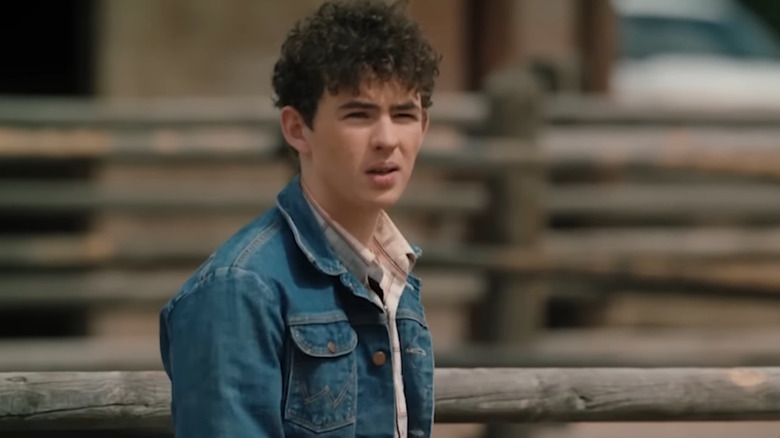
Carter calling Beth a “liar” therefore carries considerably more weight than it initially appears to. Beth told him she was protecting him, but Carter understands that protection can also become control. He knows that Beth and Rip are trying to shape him into the next generation of ranchers, yet he is beginning to realize that becoming their version of a cowboy may require surrendering his own identity. His response that his life is not theirs represents a significant emotional turning point. Carter is no longer simply asking for approval from Beth and Rip. He is demanding ownership over his own future. Finn Little specifically described Carter as someone who wants to be taken seriously, and that desire is likely to become increasingly important as the story continues.
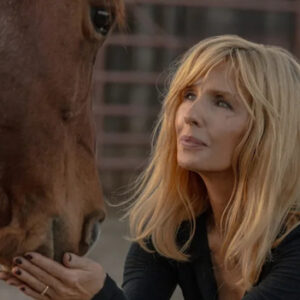
That makes Carter’s conflict with Beth particularly interesting because they are actually more alike than either of them may want to admit. Beth has spent much of her life fighting against people who attempted to dictate her choices, so it is almost ironic that she could unknowingly become the person controlling Carter’s future. She believes that her sacrifices are necessary because she understands how brutal the world can be. Carter, however, does not necessarily see those sacrifices as love when they are made without consulting him. This creates an emotional paradox: Beth may be trying to prevent Carter from suffering, but by constantly making decisions for him, she could be teaching him that the only way to become independent is to separate himself from her. In other words, her attempt to protect him could ultimately produce the exact rebellion she fears.
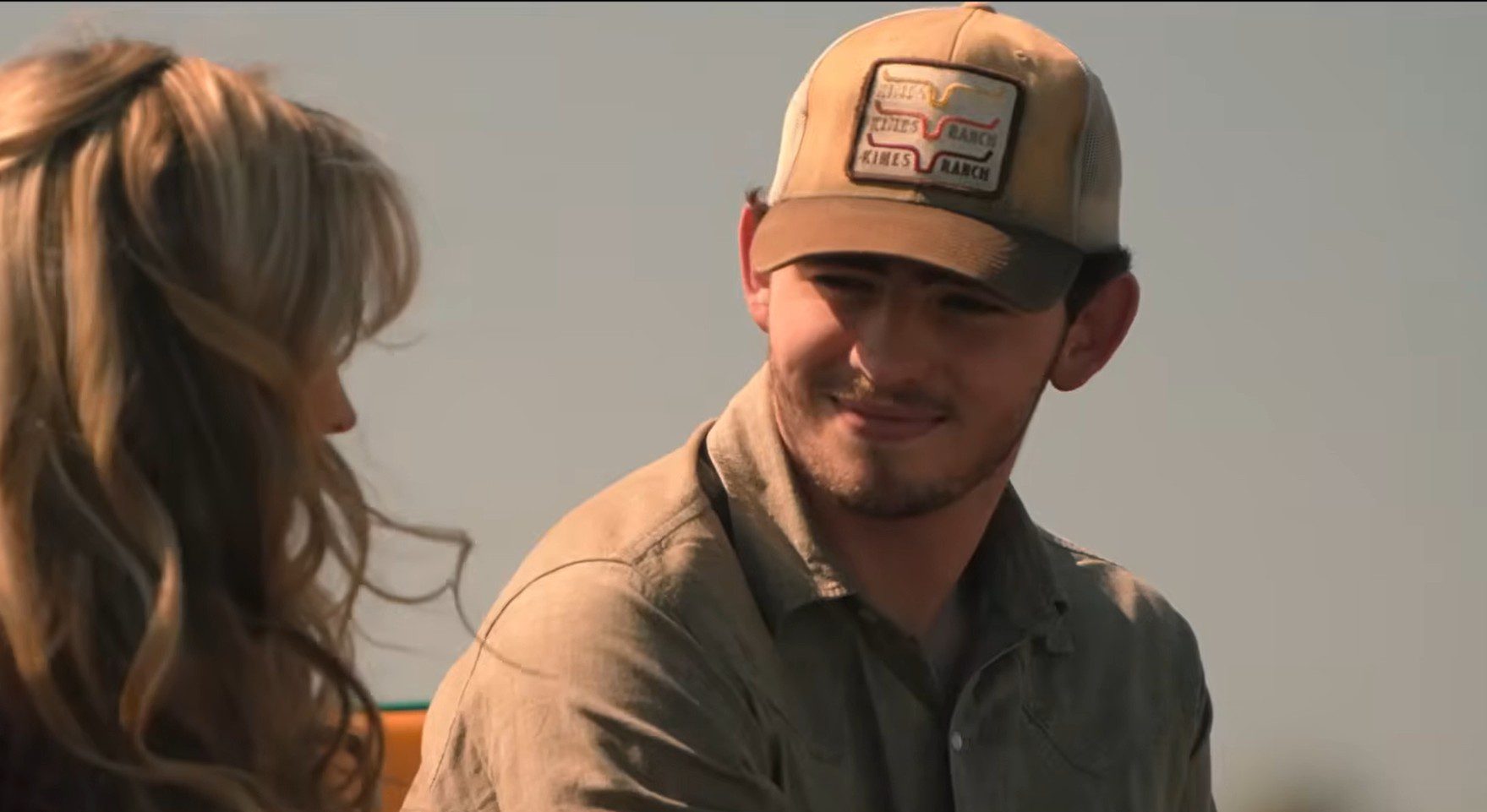
Rip’s role in the situation is equally important. He has become one of the strongest influences on Carter because he represents the cowboy identity Carter wants to embrace. Carter does not simply want to work on a ranch; he wants to become someone like Rip. That desire gives Rip enormous influence over him, but it also creates expectations that Rip may not fully recognize. If Rip wants Carter to become tough, independent, and capable of handling difficult ranch decisions, then excluding him whenever things become painful sends the opposite message. Carter cannot learn how to survive the ranch if the adults constantly remove him from its harshest realities. The contradiction could eventually force Rip to reconsider what fatherhood means in Carter’s case.
The timing of this conflict is also significant because Carter is already “growing into himself.” Finn Little described the character as entering a new stage of his life, suggesting that the spinoff is deliberately moving him away from the younger version of Carter audiences knew from Yellowstone. He is no longer simply the troubled teenager trying to find a place within the Dutton world. He is beginning to form his own opinions about what that place should look like. That transformation could make Carter one of the show’s most unpredictable characters. The more confident he becomes, the less willing he may be to accept decisions made on his behalf.
:max_bytes(150000):strip_icc():focal(749x0:751x2):format(webp)/dutton-ranch-beth-052926-80a4b6f62c85491e98bdbe663b1c65cb.jpg)
His relationship with Oreana could accelerate that transformation. Little has teased that Carter sees a lot of Beth in Oreana, particularly her fierceness and strong personality, and that quality is part of what attracts him. That connection creates an interesting parallel because Carter may be drawn toward someone who resembles the very person with whom he is currently struggling. Oreana could become a source of emotional support, but she could also introduce Carter to a different version of independence. If Carter begins prioritizing his relationship with Oreana over the expectations of Beth and Rip, the family conflict could become even more complicated.
The first season finale also leaves Carter in a vulnerable position. By the end of the season, the larger conflict surrounding Beth, Rip, the Jacksons, and the criminal operation involving 10 Petal Ranch has expanded dramatically. The finale reveals that fentanyl was being smuggled inside cattle, tying the criminal operation back to the earlier disease crisis and forcing Beth and Rip into an increasingly dangerous confrontation. Carter, meanwhile, is dealing with his own crisis of identity and belonging. That combination creates a fascinating possibility for Season 2: while Beth and Rip become more deeply involved in dangerous external conflicts, Carter may be fighting a quieter internal battle over whether he actually wants the life they are building for him.
:max_bytes(150000):strip_icc():focal(749x0:751x2):format(webp)/dutton-ranch-052926-2c9b770c46fc4fb98d086025e5a111bc.jpg)
The biggest potential twist is that Carter may eventually stop asking for permission. If Beth continues deciding what is best for him, he could begin making major choices without telling her. That would represent a major evolution from the Carter who desperately wanted acceptance. Instead of rebelling simply because he is angry, he could start building an independent identity through ranch work, relationships, or alliances outside Beth and Rip’s immediate control. Such a storyline would be far more interesting than another simple parent-versus-child argument because Carter would not necessarily be rejecting the ranch. He might be trying to determine whether the ranch can belong to him without belonging completely to Beth and Rip.
There is also a strong possibility that Carter’s eventual independence will make him more like Beth rather than less. Beth’s defining trait has never been passive obedience. She survives by making her own decisions, even when those decisions are brutal or unpopular. Carter is beginning to develop the same instinct. The difference is that Carter has not yet learned how dangerous independence can become in the Dutton universe. If he starts acting without Beth and Rip’s knowledge, his mistakes could carry much greater consequences than ordinary teenage rebellion. A future storyline could therefore place Carter in a situation where he believes he is proving his maturity, only to discover that the ranching world does not forgive inexperience.
That would create the ultimate irony for Beth. She wants Carter to become strong enough to inherit the ranch, but the process of becoming strong could eventually make him impossible to control. Her greatest success as a parent could therefore become her greatest fear. If Carter truly becomes independent, he may no longer accept every decision she makes for him. And if he starts challenging Rip as well, the family could find itself dealing with a young man who has inherited their determination but refuses to inherit their obedience.
The encouraging part is that Finn Little’s comments suggest the conflict is not necessarily destroying the relationship permanently. Little emphasized that Beth and Rip have effectively been part of Carter’s formative years, while Kelly Reilly and Cole Hauser have also spoken warmly about watching their young costar grow both on and off screen. That means the betrayal storyline can function as development rather than permanent separation. Carter does not necessarily need to abandon Beth and Rip. He needs them to recognize that loving him means allowing him to make decisions, experience consequences, and become someone beyond their expectations.
Season 2 therefore has the opportunity to transform Carter from a supporting character into a genuine successor figure. The question is no longer whether Carter can become a cowboy. The more interesting question is whether he can become one on his own terms. Beth and Rip may have spent years preparing him for the harshness of ranch life, but they now have to face an uncomfortable truth: the strongest version of Carter may not be the version they designed. If they continue protecting him from every painful reality, they risk pushing him toward secrecy and independence. But if they finally trust him with the truth, Carter could become the kind of rancher they always wanted him to be.
Ultimately, Carter calling Beth a liar is not simply a teenage outburst. It represents the moment when a young man realizes that being loved and being trusted are not always the same thing. Beth and Rip believe they are protecting their son, but Carter believes they are deciding his life without him. That disagreement could become one of the emotional engines of the next season, especially as the external dangers surrounding the Duttons continue to grow. The biggest plot twist may therefore not be another enemy or another violent confrontation, but Carter quietly becoming independent enough that Beth can no longer decide his future for him. And when that happens, the family will have to answer the question Carter has already started asking: if they truly want him to become a man, are they finally willing to let him choose what kind of man he wants to become?