IU is once again facing renewed online scrutiny after an old controversy involving her 2015 song “Zeze” resurfaced across Korean online communities and social media platforms.
The renewed discussion comes amid separate criticism surrounding the historical drama Perfect Crown, with some netizens revisiting older controversies connected to the singer-actress. As clips, screenshots, and past articles began circulating again online, debates surrounding IU’s artistic interpretation of the song have reignited more than a decade later.
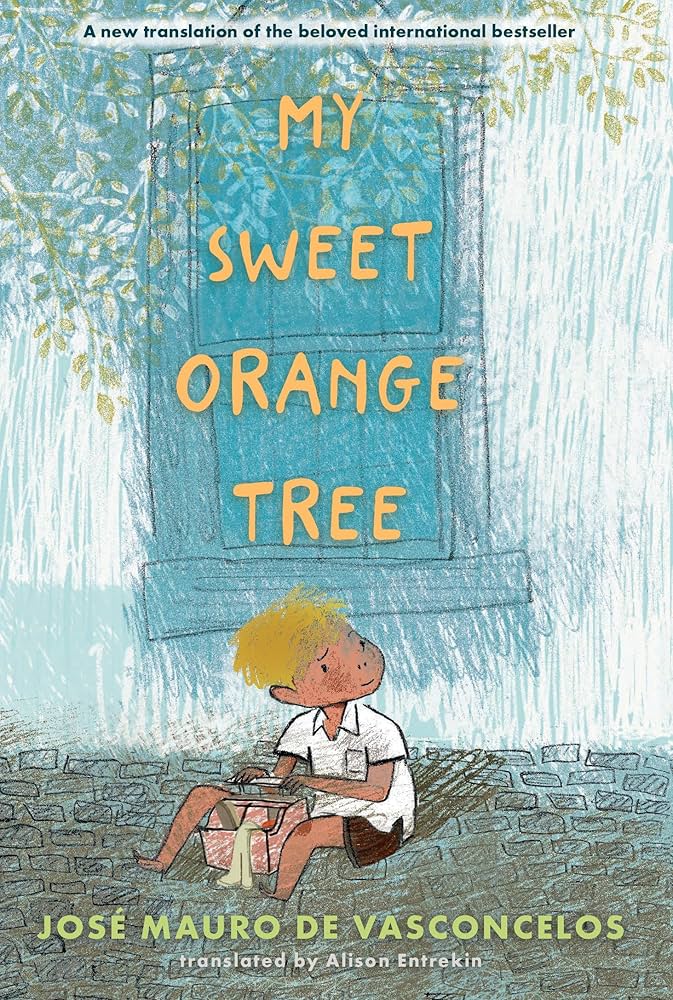
At the center of the controversy is “Zeze,” a track from IU’s 2015 album Chat-Shire. The song was inspired by the famous Brazilian novel My Sweet Orange Tree by José Mauro de Vasconcelos.
In the novel, Zeze is a young boy who suffers abuse and emotional hardship before forming a symbolic friendship with an orange tree. IU explained at the time that her song approached the story from the perspective of the orange tree itself and explored what she described as contradictions within the character’s personality.
However, controversy erupted after some listeners interpreted portions of the lyrics and album imagery as sexualizing the child character.
Critics pointed specifically to lines describing Zeze as “innocent” yet “dirty,” as well as IU’s use of the word “sexy” while discussing the character during interviews. The album artwork and visual concepts surrounding the release also became major points of criticism online.
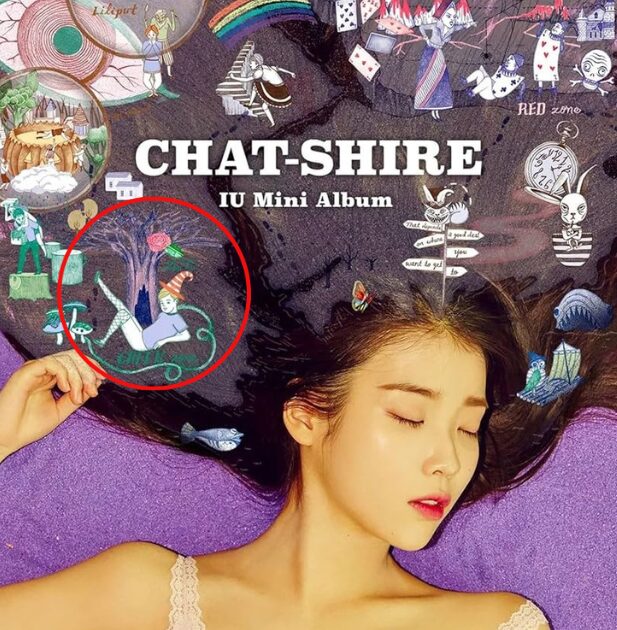
The backlash intensified when Dongyok Publishing, the Korean publisher of My Sweet Orange Tree, publicly expressed discomfort with the interpretation and raised concerns about the child character being portrayed in a sexualized way.
As criticism spread, IU eventually issued a public apology. She clarified that she never intended to sexualize a five-year-old child and admitted that her wording — especially describing the character as “sexy” — had been inappropriate and careless. She accepted responsibility for the misunderstanding and explained that the song was inspired by the novel rather than intended as a literal adaptation of its child protagonist.
At the time, reactions in South Korea were deeply divided.
While many critics strongly condemned the concept, others defended IU’s artistic freedom and argued that the work was metaphorical rather than literal. Some literary critics and public commentators stated that artistic reinterpretations of fictional works should allow room for subjective perspectives.
Dongyok Publishing later also issued a statement apologizing for aspects of how the dispute had escalated publicly, further complicating public reactions to the controversy.
Now, years later, the issue has resurfaced online and once again divided netizens.
Some commenters expressed disappointment after revisiting the old controversy, while others argued that the criticism has become excessive and disconnected from the original context surrounding the album.
Many fans have also defended IU by pointing to broader interpretations of “Zeze.” Some supporters argue the song symbolically reflected IU’s own experiences within the entertainment industry — specifically feeling simultaneously infantilized and sexualized at different stages of her career.
Others expressed concern about how quickly online criticism surrounding unrelated projects has escalated into renewed attacks on the singer personally.
The controversy continues to generate heated debate online, demonstrating how past celebrity scandals in the Korean entertainment industry can rapidly resurface years later whenever public attention shifts back toward an artist.