The controversy emerged following disputes surrounding South Korea’s recent elections. Reports of ballot shortages at some polling stations and concerns raised by protesters about election administration in parts of Seoul led to demonstrations and political debate across the country.
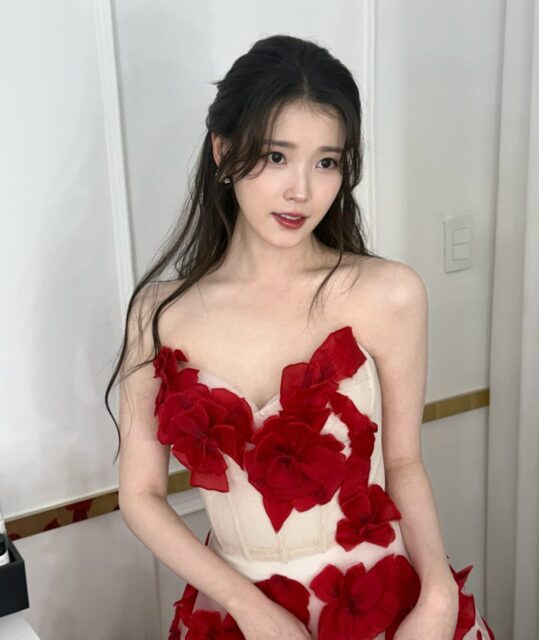
Amid those protests, some demonstrators began directing messages toward IU, urging her to provide coffee, food, or drinks for people attending rallies in Seoul’s Jamsil area. Many of these comments accumulated thousands of likes and quickly spread across online communities.
The requests stem from IU’s previous charitable actions. In the past, she gained praise for supporting citizens and fans by paying for meals, snacks, drinks, or food trucks during various public events and gatherings. Because of that history, some protesters now argue that she should offer similar support to those participating in the current demonstrations.
Comments appearing on her social media included requests for prepaid coffee orders, food trucks, and refreshments for protesters. Others questioned whether celebrities who previously expressed support for civic causes should remain silent during the current controversy.

However, the situation has sparked significant disagreement online.
Many social media users criticized the demands, arguing that celebrities should not be expected to endorse every political movement or public protest. Others pointed out that providing support during one event does not create an obligation to support future demonstrations, especially when political circumstances differ.
The debate has since expanded beyond IU herself and evolved into a broader discussion about celebrity activism in South Korea. Some commentators argue that public figures are often praised when their actions align with a particular political viewpoint but criticized when they choose to remain neutral. Others believe celebrities who have publicly supported civic causes in the past should continue speaking out during major public controversies.
As of now, IU has not publicly responded to the comments or the requests being directed at her.

The controversy illustrates the increasingly difficult position many celebrities face in highly polarized political environments. Actions that were once viewed as charitable gestures can later become the basis for public expectations, placing entertainers in the middle of political debates they may not have intended to join.
For now, the discussion continues across Korean social media, with supporters and critics debating whether public figures like IU have any responsibility to participate in ongoing political movements—or whether such expectations go too far.